
If you work in dietary supplements, functional foods, nutraceutical ingredients, or pharmaceutical raw materials, you’ve probably noticed something: earthworm-derived ingredients are moving from niche curiosity to serious commercial discussion.
Earthworm peptide powder—sometimes referred to as earthworm protein peptides or earthworm hydrolyzed peptides—is one of those ingredients that quietly bridges traditional use and modern biotechnology. It sits at the intersection of sustainable protein sourcing, bioactive peptide science, and functional ingredient innovation.
But what exactly is it? And how is it produced at an industrial level?
Let’s break it down—clearly, practically, and with the technical depth your team might need.
From Soil Engineer to Functional Ingredient

Earthworms have long been recognized in agriculture as soil enhancers. They improve aeration, nutrient cycling, and soil structure. In fact, their ecological importance is widely documented in discussions about soil systems .
But beyond agriculture, earthworms are remarkably rich in protein—often containing 50–70% protein in dry matter. That protein isn’t just nutritional; it’s functionally interesting. It contains enzymatic components and sequences that, when hydrolyzed, release biologically active peptides.
And that’s where earthworm peptide powder comes in.
So… What Is Earthworm Peptide Powder?
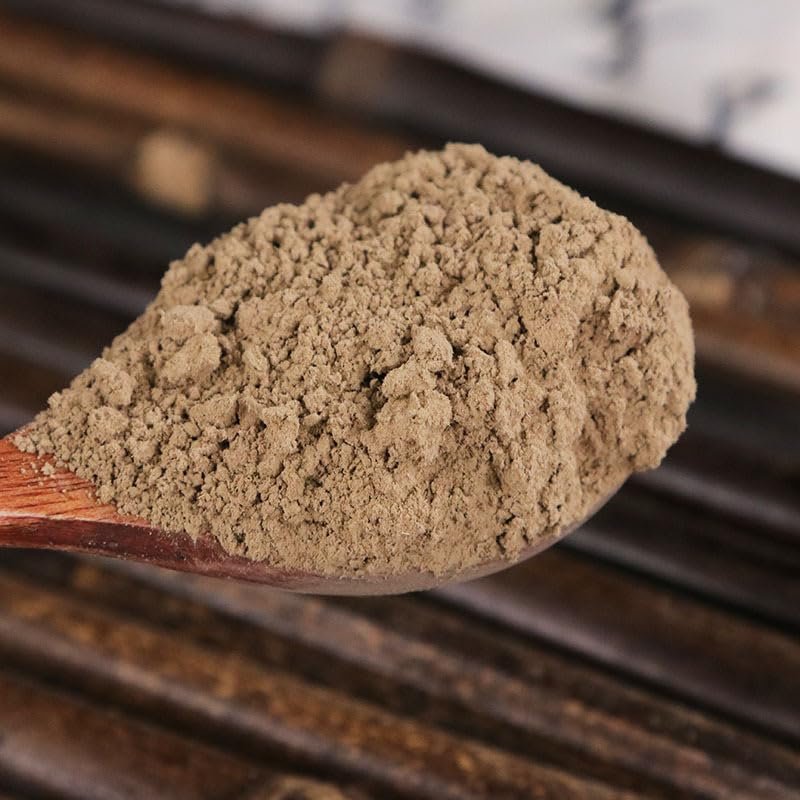
Earthworm peptide powder is a low–molecular weight peptide product obtained by enzymatic hydrolysis (or autolysis) of earthworm protein.
In simple terms:
- Earthworm → Protein
- Protein → Enzymatic breakdown
- Breakdown → Small peptides
- Small peptides → Powdered functional ingredient
These peptides are shorter amino acid chains compared to intact proteins. As explained in technical discussions about protein and peptide absorption , smaller peptides (especially di- and tripeptides) are often absorbed more efficiently than whole proteins.
From a formulation perspective, that’s important. Smaller peptides typically offer:
- Improved solubility
- Faster absorption potential
- Lower allergenicity risk
- Greater bioavailability in some applications
For manufacturers, that translates to a versatile raw material suitable for capsules, tablets, sachets, beverages, and even topical cosmetic formulations.
What Makes Earthworm Peptides Interesting Scientifically?
Here’s where it gets technical—but let’s keep it grounded.
Recent research has identified bioactive peptides derived from earthworm protein with functional properties such as:
- ACE inhibitory activity (associated with blood pressure regulation)
- Immunomodulatory effects in experimental models
- Fibrinolytic activity via lumbrokinase-related enzymes
For example, specific peptide sequences identified through UPLC-MS/MS and molecular docking techniques demonstrated measurable ACE inhibitory activity .
Meanwhile, autolyzed earthworm protein has shown immune-regulating effects in cyclophosphamide-induced immunosuppressed mice models .
Now, does this mean earthworm peptide powder is a drug? No.
But does it mean there’s compelling bioactive potential for functional ingredient development? Absolutely.
This is why ingredient suppliers and R&D teams are paying attention.
How Is Earthworm Peptide Powder Produced?
Let me walk you through a typical industrial process. Not in marketing language—but in manufacturing language.
1. Raw Material Selection
Most high-quality earthworm peptide powders begin with controlled earthworm cultivation. Species selection matters. For example, eisenia foetida earthworms are documented as raw material sources in production flow descriptions .
Why controlled farming?
Because soil contaminants, heavy metals, and microbial load must be tightly managed. Buyers in Europe or North America will demand it.
2. Mechanical Cleaning and Separation
According to documented production flow descriptions , the process typically includes:
- Mechanical separation of earthworms from soil
- Secondary cleaning
- Washing and debris removal
3. Enzymatic Hydrolysis (or Autolysis)
Here’s where the transformation happens.
There are two main approaches:
A. Controlled Enzymatic Hydrolysis
External enzymes such as pepsin and trypsin are added under controlled pH and temperature conditions. This mimics gastrointestinal digestion.
In ACE inhibitory peptide research, earthworm protein underwent simulated gastrointestinal digestion before peptide purification .
B. Autolysis
Earthworm protein contains endogenous proteases. Under controlled temperature conditions, the material can self-digest using its own enzymes.
One study reported autolyzed earthworm protein achieving a degree of hydrolysis of 22.38% .
Autolysis can reduce processing complexity and cost, though peptide profiles may differ from controlled enzymatic hydrolysis.
4. Filtration and Molecular Weight Control
After hydrolysis, the mixture contains:
- Peptides of various sizes
- Undigested proteins
- Enzymes
- Other soluble components
Ultrafiltration membranes (e.g., 3 kDa cutoff) are used to isolate low-molecular weight fractions .
This step defines the final product’s molecular weight distribution—an important specification for functional ingredient buyers.
5. Concentration and Drying
Once purified:
- The peptide solution is concentrated
- Low-temperature drying (often spray drying or freeze-drying) is performed
- The material is milled and sterilized
- Final packaging is completed
Low-temperature drying helps preserve bioactivity.
And yes—thermal damage is a real concern if not managed properly.
What About Lumbrokinase?
It’s worth clarifying.
Lumbrokinase is a fibrinolytic enzyme complex derived from earthworms and is often discussed alongside earthworm protein and peptides .
However:
- Earthworm peptide powder ≠ purified lumbrokinase
- Lumbrokinase is a specific enzymatic fraction
- Peptide powder may contain small peptide fragments with different activity profiles
For product developers, the distinction matters—especially when positioning in different regulatory markets.
Applications Across Industries
Let’s shift from lab bench to market reality.
Earthworm peptide powder is currently explored in:
Nutraceuticals
- Cardiovascular support formulas
- Circulation-focused supplements
- Immune-support blends
Functional Foods
There is growing discussion around incorporating earthworm protein peptides into functional foods .
Potential applications:
- High-protein nutrition bars
- Functional beverages
- Specialized health foods
Pharmaceuticals (as raw material ingredient)
Primarily as upstream peptide or enzyme sources in further purification pipelines.
Cosmetics
Bioactive peptides are widely used in anti-aging and skin-repair formulations. While earthworm peptide is still emerging here, peptide science trends support such innovation.
Sustainability Angle — More Than Marketing
Earthworms are highly efficient protein converters.
Compared to traditional livestock:
- Lower greenhouse gas emissions
- Minimal land use
- Organic waste recycling capability
They are often described as ecological guardians in soil systems .
For ingredient brands targeting sustainability-driven markets, this narrative isn’t fluff—it’s positioning.
Quality Control Considerations for Buyers
If you’re sourcing earthworm peptide powder, pay attention to:
- Molecular weight distribution
- Degree of hydrolysis
- Heavy metal testing
- Microbial limits
- Endotoxin levels
- Allergen testing
- Residual enzyme activity
- Stability under heat and humidity
A Quick Recap
Earthworm peptide powder is:
- A low–molecular weight hydrolysate derived from earthworm protein
- Produced through controlled enzymatic digestion or autolysis
- Purified via ultrafiltration
- Dried into a stable powdered form
- Studied for ACE inhibition, immunomodulation, and fibrinolytic-related activities
It’s not hype.
It’s not magic either.
It’s a bioactive protein-derived ingredient with growing scientific backing and industrial relevance.
And that balance—between tradition and biotech—is exactly why it’s gaining traction.
FAQ
1. What is the difference between earthworm protein powder and earthworm peptide powder?
Earthworm protein powder contains intact proteins, while earthworm peptide powder consists of enzymatically hydrolyzed low–molecular weight peptides, which may offer improved solubility and absorption.
2. How is earthworm peptide powder manufactured for nutraceutical use?
It is typically produced through mechanical cleaning, enzymatic hydrolysis (or autolysis), ultrafiltration for molecular weight control, and spray drying.
3. Are earthworm-derived peptides supported by scientific research?
Yes. Studies have identified ACE inhibitory peptides and immunomodulatory effects in animal models , though regulatory positioning depends on jurisdiction.
4. Is earthworm peptide powder the same as lumbrokinase?
No. Lumbrokinase is a specific fibrinolytic enzyme complex derived from earthworms , while peptide powder contains a broader mixture of small peptides.
5. What industries can use earthworm peptide powder as a raw material?
It is used in dietary supplements, functional foods, pharmaceutical intermediates, and potentially cosmetic peptide formulations.