When people first hear “earthworm peptide powder,” they pause. Really? Earthworms?
Yes. And here’s the thing—what once lived quietly beneath the soil is now making its way into research labs, pilot plants, and even pharmaceutical pipelines. For manufacturers, ingredient suppliers, and formulation scientists, earthworm-derived bioactive peptides are no longer a novelty. They’re a serious subject of development.
In this article, we’ll walk through how earthworm peptide powder is being used in pharmaceutical development—what science supports it, how it’s processed, and where it fits into modern drug design and adjunct therapies.
From Soil to Science: Why Earthworms Matter in Pharma

Earthworms (traditionally known as “Di Long” in Chinese medicine) have been documented in classical pharmacopeias for thousands of years. Modern research has simply translated that traditional knowledge into molecular language.
According to background reviews on earthworm bioactives , earthworm-derived compounds show potential in:
- Immunomodulation
- Anti-inflammatory activity
- Antimicrobial effects
- Antithrombotic mechanisms
But pharmaceutical development doesn’t run on folklore. It runs on structure-activity relationships, bioavailability studies, and clinical endpoints. That’s where peptides enter the story.
A Quick Reality Check: Protein vs Peptide vs Enzyme
Before we go further, let’s clarify something—because in pharma, terminology matters.
Earthworm protein is the raw macromolecular material. Through enzymatic hydrolysis or autolysis, it’s broken down into smaller chains—peptides. Some of those peptides carry specific biological activity. A few may function as enzymes, such as lumbrokinase.
As explained in foundational technical notes :
- Proteins are long chains of amino acids with complex folding.
- Peptides are shorter chains—often easier to absorb and biologically active.
- Enzymes are functional proteins that catalyze biochemical reactions.
Why does this matter in pharmaceutical development? Because peptides often offer:
- Faster absorption
- Lower allergenicity
- Target-specific bioactivity
- More predictable pharmacodynamics
And frankly, they’re easier to formulate than full-length proteins.
Antihypertensive Peptides: A Case of ACE Inhibition
Let’s talk about something concrete—blood pressure.
Recent studies identified novel ACE (angiotensin-converting enzyme) inhibitory peptides derived from earthworm protein hydrolysates . Seven new ACE inhibitory peptides were characterized, with sequences like:
- SSPLWER
- RFFGP
These peptides demonstrated competitive inhibition against ACE, with favorable IC50 values. Molecular docking showed hydrogen bond interactions at the ACE active site.
What does that mean for pharma?
It suggests earthworm peptide powder can serve as:
- A source of lead compounds for antihypertensive drug discovery
- A standardized raw material for adjunct cardiovascular formulations
- A candidate for combination therapy development
Here’s the subtle but important distinction: peptides may not replace synthetic ACE inhibitors overnight. But they can complement them—or inspire next-generation bioactive compounds with improved safety profiles.
For pharmaceutical ingredient manufacturers, this is where upstream extraction quality becomes critical.
Immunomodulatory Applications: Supporting Host Defense


In the post-pandemic landscape, immune research isn’t a side project—it’s central.
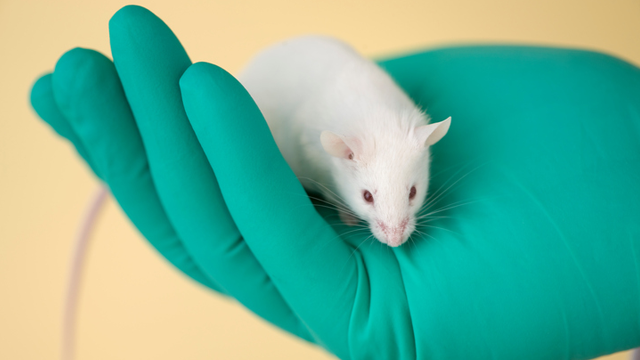
A 2023 study investigated earthworm protein autolysates in a cyclophosphamide-induced immunosuppressed mouse model . The results showed:
- Restoration of thymus and spleen indices
- Improved cytokine balance (TNF-α, IL-6, IL-10)
- Identification of immunomodulatory peptides via docking with TLR2 and TLR4
One peptide, WNWLLPLMLG, demonstrated notable immunomodulatory activity in macrophage models.
From a pharmaceutical development standpoint, that opens several pathways:
- Adjunct immune support during chemotherapy
- Gut-immune axis formulations
- Research into TLR-mediated immune modulation
Of course, animal models are early-stage data. But they’re necessary stepping stones in drug development pipelines.
Antithrombotic & Fibrinolytic Pathways
You can’t discuss earthworm-derived pharma ingredients without mentioning fibrinolytic enzymes.
Clinical summaries on lumbrokinase applications describe its use in:
- Coronary heart disease
- Deep vein thrombosis
- Acute myocardial infarction adjunct therapy
Lumbrokinase acts by degrading fibrin—the structural mesh of blood clots. Think of it as molecular scissors, selectively targeting fibrin networks.
For pharmaceutical manufacturers, lumbrokinase and peptide fractions from earthworm protein may be developed as:
- Oral enzyme capsules
- Enteric-coated tablets
- Injectable enzyme preparations (where regulations permit)
And yes, dosage control and enzyme activity standardization are absolutely non-negotiable here.
Production Matters: GMP, Consistency, and Scale
Let’s pivot to manufacturing—because science alone doesn’t make a pharmaceutical ingredient viable.
A standardized earthworm protein production process includes:
- Mechanical separation and purification
- Controlled enzymatic hydrolysis
- Filtration and centrifugation
- Low-temperature drying
- Microbial control and sterilization
As outlined in documented production processes , maintaining peptide integrity during low-temperature drying is essential to preserve activity.
Pharmaceutical developers require:
- Defined molecular weight distribution
- Peptide fingerprinting (HPLC/UPLC-MS)
- Heavy metal and microbiological testing
- Batch-to-batch consistency
Without that, no serious B2B pharmaceutical client will move forward.
Bridging Traditional Knowledge and Modern Drug Design
Interestingly, earthworms have long been used in traditional formulations for circulatory and inflammatory conditions . Modern pharmaceutical science doesn’t simply accept those claims—it isolates, quantifies, and validates active components.
This is where peptide research becomes powerful. Instead of marketing a crude extract, companies can:
- Identify specific bioactive sequences
- Conduct in vitro mechanism studies
- Develop targeted formulations
- File intellectual property around purified fractions
That’s a completely different conversation in regulatory dossiers.
Pharmaceutical Development Pathways
So how exactly is earthworm peptide powder integrated into development pipelines?
Here are the common models:
1. As a Lead Discovery Source
Peptide sequences are screened for activity (ACE inhibition, TLR interaction, fibrinolysis), then modified for improved stability.
2. As an Adjunct Active Ingredient
In combination cardiovascular or immune-support therapies.
3. As a Nutraceutical-to-Pharma Bridge Ingredient
Used first in regulated dietary supplements, then supported by further clinical data for pharmaceutical expansion.
4. As a Biotechnological Template
Synthetic reproduction of active peptide sequences for higher purity and scalability.
And yes, synthetic replication often follows natural discovery.
Regulatory Considerations
Let’s not ignore the elephant in the room—regulation.
Depending on the market (US, EU, Southeast Asia, Middle East):
- Earthworm peptide powder may be regulated as a dietary ingredient, API, or biologically active extract.
- Safety data, toxicity studies, and clinical evidence will dictate positioning.
- Claims must align with approved indications.
Pharmaceutical developers must separate scientific potential from marketing enthusiasm.
The Bigger Picture: Sustainable Bioactive Sourcing
There’s also a sustainability angle. Earthworms are efficient protein converters and are widely cultivated in controlled systems . Compared to traditional livestock proteins, their environmental footprint is relatively small.
For pharmaceutical companies seeking environmentally responsible sourcing, that’s not trivial.
It’s part of the procurement story now.
So, Where Is This Headed?
Honestly? We’re still early.
Earthworm peptide powder is not yet a blockbuster pharmaceutical ingredient. But it is:
- Scientifically investigated
- Mechanistically supported
- Technologically feasible
- Increasingly standardized
And in pharmaceutical development, that combination is meaningful.
Sometimes innovation doesn’t shout. It grows quietly—much like the organism it came from.
FAQs
1. How is earthworm peptide powder used in pharmaceutical research?
Earthworm peptide powder is used as a source of bioactive peptides for antihypertensive, immunomodulatory, and antithrombotic drug discovery research. Scientists isolate specific peptide sequences and evaluate their mechanism of action.
2. Can earthworm-derived peptides be developed into antihypertensive drugs?
Yes, ACE inhibitory peptides derived from earthworm protein hydrolysates have demonstrated competitive inhibition in vitro. These bioactive peptides may serve as lead compounds in cardiovascular drug development.
3. Is earthworm peptide powder safe for pharmaceutical formulation?
Safety depends on purification, standardization, and regulatory compliance. Pharmaceutical-grade earthworm peptide powder requires strict microbial testing, heavy metal analysis, and validated production processes.
4. What is the difference between lumbrokinase and earthworm peptide powder?
Lumbrokinase is a fibrinolytic enzyme extracted from earthworms, while earthworm peptide powder contains smaller bioactive peptide fractions that may have antihypertensive or immunomodulatory effects.
5. Can earthworm peptide powder be used in combination pharmaceutical products?
Yes. It is often explored as an adjunct ingredient in cardiovascular support, immune modulation formulations, and thrombosis-related therapies, depending on regulatory classification.
If you are a manufacturer, formulator, or B2B distributor exploring earthworm peptide powder as a pharmaceutical ingredient, the opportunity lies not in hype—but in precision, data, and process control.
And that’s where real development begins.