Why Are More Supplement Brands Talking About Earthworm Peptides?
Let’s be honest—ingredient innovation in the supplement industry is getting harder. Consumers want science-backed. Retailers want differentiation. Regulators want safety data. And brands? Brands want something that works and tells a good story.
That’s where earthworm peptide powder quietly steps in.
It might sound unusual at first. But when you look at the research—antihypertensive peptides, antioxidant activity, immune support, fibrinolytic enzymes—the conversation shifts from “novel” to “strategic.”
For dietary supplement brands focused on cardiovascular health, immune support, or functional protein innovation, earthworm-derived peptides are becoming more than a curiosity. They’re becoming an opportunity.
From Soil to Science: The Functional Value of Earthworm Peptides
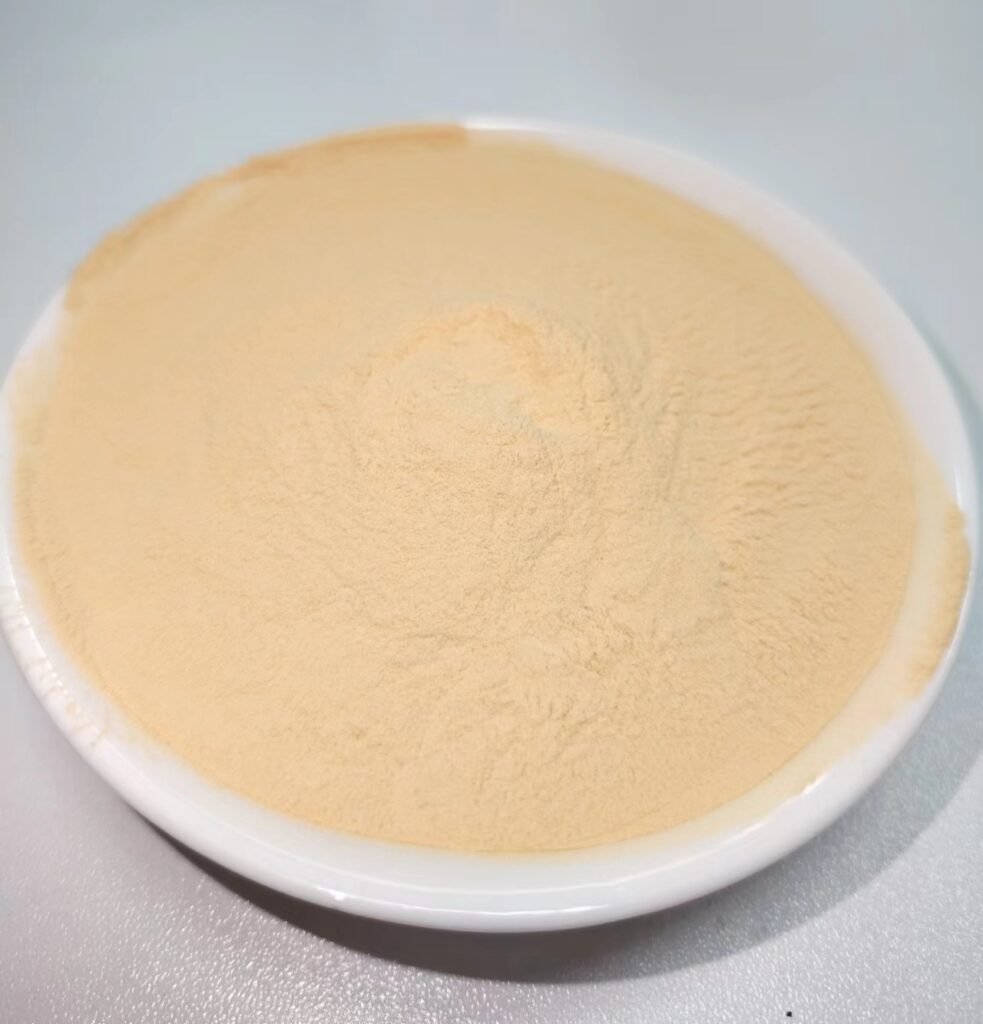
Earthworms have been documented in traditional medicine for centuries. But modern food science is now decoding their molecular potential.
Research published in Food Bioscience identified seven novel ACE-inhibitory peptides from earthworm protein digestion products . Among them, two peptides (SSPLWER and RFFGP) showed particularly strong ACE inhibition activity.
For supplement formulators, that matters.
ACE inhibition is a recognized mechanism for supporting healthy blood pressure. Natural peptides with this activity are attractive alternatives or complements to synthetic compounds.
And it doesn’t stop there.
Another study in Food Chemistry revealed antioxidant peptides released during simulated digestion, including AFWYGLPCKL and WPWQMSLY, with strong free radical scavenging activity .
So we’re not talking about vague “protein benefits.” We’re talking about:
- Identified peptide sequences
- Defined mechanisms
- Measured IC50 values
- Molecular docking validation
That level of documentation resonates with buyers.
Cardiovascular Positioning: A Natural Differentiator
Supporting Healthy Blood Flow
One of the most compelling applications lies in cardiovascular health.
Earthworm-derived enzymes, particularly lumbrokinase, are known for fibrinolytic activity—meaning they help break down fibrin, the structural framework of blood clots .
In pharmaceutical contexts, lumbrokinase has been explored for:
- Coronary heart disease support
- Thrombus management
- Circulatory improvement
For dietary supplement brands (within regulatory boundaries), positioning around:
- Circulatory support
- Healthy blood viscosity
- Cardiovascular wellness
can create strong market appeal—especially in aging populations.
And here’s the thing: consumers increasingly prefer “enzyme-based” solutions over synthetic-sounding names. The perception of natural origin carries weight.
Immune Health: A Post-Pandemic Priority
If the last few years taught us anything, it’s that immune support isn’t seasonal anymore—it’s foundational.
A 2023 study in Food Bioscience investigated earthworm protein autolysates in a cyclophosphamide-induced immunosuppressed mouse model .
The findings showed:
- Improved thymus and spleen indices
- Regulation of TNF-α and IL-6 levels
- Restoration of immune organ function
Notably, peptide screening identified WNWLLPLMLG as a high-scoring immunomodulatory candidate .
For supplement brands, this opens doors to formulations targeting:
- Immune balance
- Recovery support
- Gut-immune axis wellness
And because these peptides are small molecular fragments, they’re generally absorbed efficiently—an important marketing angle supported by peptide absorption science .
Antioxidant Claims: Backed by Molecular Insight
Antioxidant positioning is crowded. But earthworm peptides offer something slightly different.
Instead of generic plant extracts, these peptides show activity validated through:
- DPPH and ABTS assays
- Red blood cell oxidative damage models
- Quantum chemical HOMO analysis
That last point is particularly interesting for scientifically oriented brands. Quantum-level modeling adds depth to your technical dossiers.
It signals seriousness.
For premium nutraceutical brands, that kind of narrative supports higher positioning and professional channel sales.
Functional Protein Storytelling: More Than Just Amino Acids
Here’s something often overlooked.
Consumers are tired of “just protein.” Whey, soy, pea—it’s crowded.
Earthworm protein powder contains:
- High protein content (often over 60% dry weight)
- Balanced amino acid composition
- Bioactive peptides released upon hydrolysis
And when converted into peptide powder, absorption efficiency improves due to peptide transport pathways .
For brands in sports recovery or clinical nutrition, this allows messaging around:
- Bioactive protein
- Functional peptide nutrition
- Advanced enzymatic protein technology
It’s subtle, but powerful.
Production & Supply Chain: What B2B Buyers Want to Know


Ingredient buyers don’t just ask about benefits. They ask:
- What’s the production method?
- How stable is it?
- Is the supply scalable?
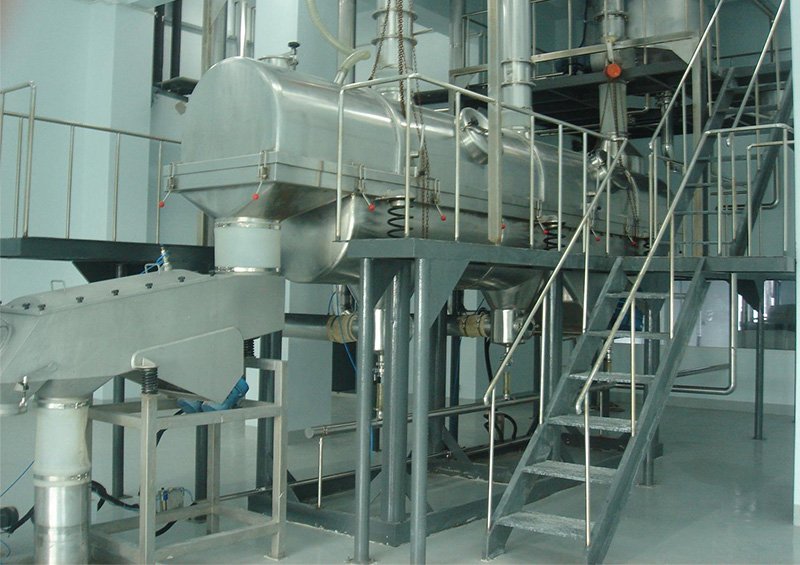
Earthworm protein powder production typically involves:
- Mechanical separation and cleaning
- Hydrolysis
- Centrifugal filtration
- Low-temperature drying / spray drying
- Sterilization and packaging
That standardized workflow supports consistency—critical for supplement manufacturers operating under GMP conditions.
And because earthworms are highly efficient in biomass conversion and reproduction, supply scalability is realistic when farming systems are properly managed .
For wholesalers, that’s reassuring.
Innovation Opportunities for Supplement Brands
Let me explain something important.
Earthworm peptide powder doesn’t have to be a standalone hero ingredient. It can be strategically blended.
Consider combinations with:
- Coenzyme Q10 for heart health
- Vitamin K2 for vascular positioning
- Polyphenols for antioxidant synergy
- Probiotics for gut-immune formulations
Earthworm peptides act as a mechanistic backbone.
And because research also suggests anti-inflammatory and lipid metabolism regulatory effects , multi-benefit formulations are possible.
It’s not about making big promises. It’s about building layered functionality.
Market Positioning: Niche or Premium?
Honestly? Both.
For mainstream retail, education is required.
For practitioner channels and B2B distribution, the scientific angle resonates immediately.
Premium brands can frame earthworm peptides as:
- Advanced bioactive peptides
- Enzyme-supported cardiovascular nutrition
- Research-backed immunomodulatory protein
And in regions like Southeast Asia and parts of Europe, traditional familiarity with earthworm-derived compounds can support smoother market acceptance.
Context matters.
Regulatory and Communication Considerations
Of course, careful positioning is essential.
Avoid drug claims.
Focus on structure-function language.
Leverage scientific citations responsibly.
When supported with peer-reviewed data (such as ACE inhibition studies and immunomodulatory findings ), marketing teams can confidently build compliant messaging.
Transparency builds trust.
Sustainability Narrative: The Quiet Advantage
Here’s something brands sometimes forget to emphasize.
Earthworms contribute significantly to soil health and ecological systems . Responsible farming practices align with regenerative agriculture principles.
In a time when sustainability influences purchasing decisions—especially in Europe—this ecological narrative strengthens brand positioning.
It’s not just functional. It’s responsible.
So, Is Earthworm Peptide Powder Worth Considering?
For dietary supplement brands looking to:
- Differentiate in cardiovascular support
- Expand immune-focused portfolios
- Develop enzyme-based formulations
- Introduce scientifically validated bioactive peptides
The answer is increasingly yes.
It’s not a trend ingredient.
It’s a research-backed functional protein source with multi-pathway potential.
And sometimes, innovation isn’t about something completely new.
Sometimes it’s about seeing something familiar—like an earthworm—in a completely different light.
Frequently Asked Questions (FAQ)
1. What makes earthworm peptide powder different from regular protein powder?
Earthworm peptide powder contains small molecular peptides released through enzymatic hydrolysis. These peptides demonstrate ACE inhibitory, antioxidant, and immunomodulatory activities , offering functional benefits beyond basic protein nutrition.
2. Can earthworm peptide powder be used in cardiovascular dietary supplements?
Yes. Research shows ACE-inhibitory peptides and fibrinolytic enzymes derived from earthworm protein may support healthy blood circulation and vascular function . Positioning must follow regulatory guidelines.
3. Is earthworm peptide powder suitable for immune support formulations?
Studies indicate earthworm protein autolysates improve immune parameters in immunosuppressed models . This supports potential use in immune-focused dietary supplement development.
4. How is earthworm peptide powder manufactured?
Production generally involves cleaning, enzymatic hydrolysis, centrifugation, filtration, low-temperature drying, and sterilization , ensuring consistent quality for B2B supply.
5. Are earthworm peptides easily absorbed compared to intact protein?
Yes. Small peptides are absorbed via distinct transport pathways that avoid amino acid competition, improving bioavailability compared to intact protein .