Let’s be honest—earthworm peptide powder is one of those ingredients that instantly sparks curiosity. Or skepticism. Sometimes both.
For buyers in the dietary supplement, nutraceutical, pharmaceutical, and cosmetics industries, the interest is real. But so are the doubts. Is it just another “exotic” ingredient? Is it really backed by science? Is it safe? Sustainable? Scalable?
If you’ve ever asked those questions (and you probably have), you’re not alone.
Today, we’ll unpack the most common misconceptions about earthworm peptide powder—and separate industry myths from evidence-backed reality.
What Exactly Is Earthworm Peptide Powder?


Before addressing the myths, let’s clarify the basics.
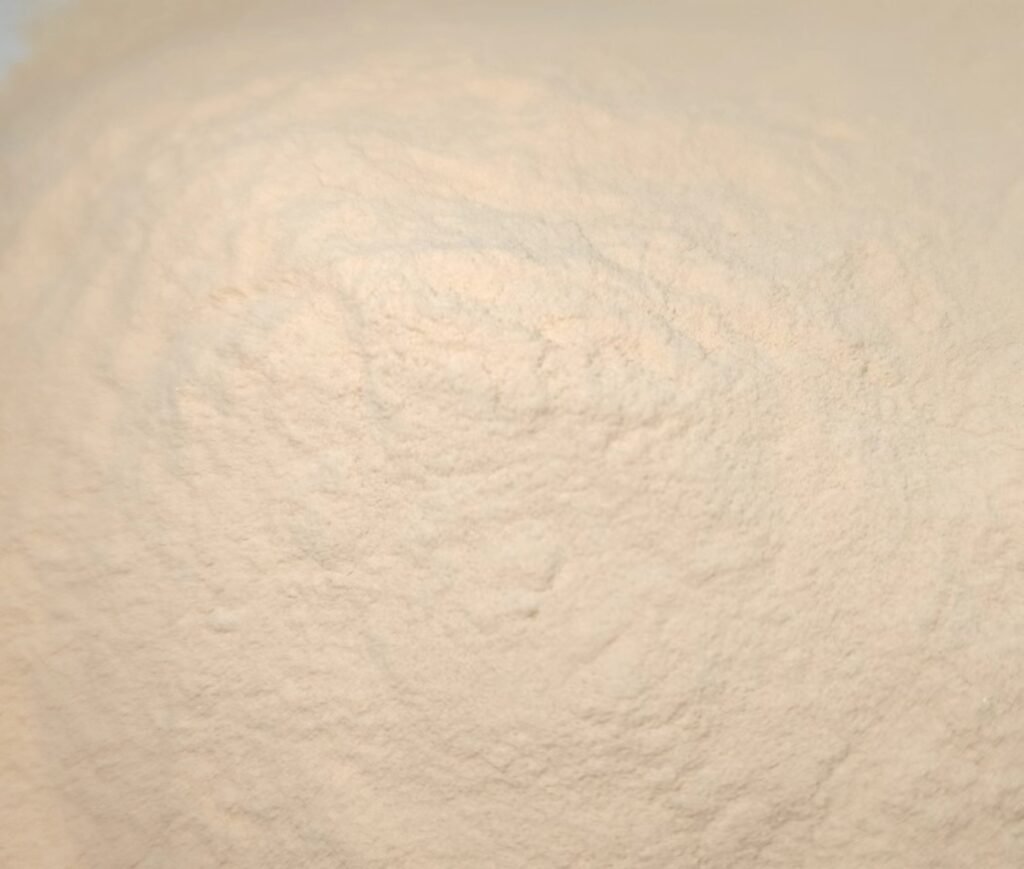
Earthworm peptide powder is produced by enzymatically hydrolyzing earthworm protein into smaller peptide fractions. Compared to whole protein, peptides are shorter amino acid chains—typically dipeptides, tripeptides, or small oligopeptides—that are more readily absorbed and biologically active.
The production process generally involves:
- Selection and cleaning of raw earthworm material
- Controlled enzymatic hydrolysis
- Filtration and fractionation
- Low-temperature drying / spray drying
- Microbial control and quality testing
According to documented production processes , modern facilities use mechanical separation, hydrolysis, centrifugation, low-temperature drying / spray drying, and sterilization steps to ensure consistent quality.
So no—it’s not “ground worms.” It’s a refined peptide ingredient derived from protein science.
Now, let’s address the misconceptions.
Misconception 1: “It’s Just a Traditional Folk Ingredient”
You’ll often hear: “Isn’t this just a traditional remedy?”
Yes—and no.
Earthworm (commonly called “Di Long” in traditional Chinese medicine) has been recorded in classical pharmacopeias for centuries . Historically, it was used for circulatory and inflammatory conditions.
But modern earthworm peptide powder is not traditional decoction powder.
It is the result of:
- In vitro gastrointestinal digestion simulation
- UPLC-MS/MS identification
- Molecular docking analysis
- Enzyme kinetics validation
For example, recent peer-reviewed research identified specific ACE inhibitory peptides from earthworm protein, such as SSPLWER and RFFGP, with confirmed competitive inhibition mechanisms .
That’s not folklore. That’s biochemistry.
The key difference?
Traditional knowledge suggested benefit. Modern science isolates and validates the active sequences.
Misconception 2: “It’s Just Protein—Nothing Special”
Here’s the thing: not all proteins are equal. And not all peptides behave like simple nutrients.
Earthworm protein contains 60–70% protein content (dry basis), rich in essential amino acids . But the real interest lies in what happens after hydrolysis.
Studies have shown that hydrolyzed fractions:
- Contain ACE inhibitory peptides
- Exhibit immunomodulatory activity in CTX-induced mouse models
- Produce peptide fractions with high bioactive probability scores
In immunosuppressed mice, earthworm protein autolysates demonstrated recovery of immune organ indices and cytokine balance .
That moves the discussion from “protein supplement” to “bioactive functional ingredient.”
And for formulators, that distinction matters.
Misconception 3: “Peptides Are Basically the Same as Amino Acids”
This one comes up often in procurement meetings.
“If peptides break down into amino acids anyway, why not just use amino acids?”
Here’s the nuance.
Small peptides (especially di- and tripeptides) are absorbed via different transport mechanisms than free amino acids. They avoid competitive inhibition during absorption and may be transported more efficiently .
In simple terms:
Peptides don’t just supply amino acids—they act as functional molecules.
Certain sequences demonstrate:
- ACE inhibitory activity
- Immune modulation potential
- Anti-inflammatory and antioxidant potential described in applied product literature
So no, peptides are not “just smaller protein.” They are biologically active fragments.
Misconception 4: “It’s Unsafe or Unregulated”
Let’s approach this carefully.
Any novel protein or peptide ingredient must undergo:
- Heavy metal testing
- Microbiological control
- Allergen assessment
- Stability evaluation
Earthworm protein has been recognized as a new food resource in China since 2009 , and controlled production processes are documented .
From a regulatory standpoint, application pathways vary:
- Dietary supplement ingredient (region-specific)
- Functional food additive
- Pharmaceutical raw material (where permitted)
- Cosmetic active ingredient (for topical use cases)
Safety depends on manufacturing standards, not the species source.
Misconception 5: “It’s Only About Lumbrokinase”
Many buyers confuse earthworm peptide powder with lumbrokinase.
They are related—but not identical.
- Lumbrokinase is a fibrinolytic enzyme complex.
- Earthworm peptide powder contains hydrolyzed peptide fractions.
Lumbrokinase is enzyme-based. Peptide powder is protein-derived and may contain various bioactive sequences.
Clinical literature has described fibrinolytic and circulatory effects related to earthworm-derived enzymes . However, peptide fractions identified in research focus heavily on ACE inhibition and immune modulation .
So if your application is cardiovascular support, you must define whether you need:
- Enzymatic fibrinolysis
- Peptide-based ACE inhibition
- Broad functional protein support
They are not interchangeable SKUs.
Misconception 6: “Consumers Won’t Accept It”
Honestly? Ten years ago, maybe.
But consumer behavior has shifted.
Consider:
- Collagen from marine sources
- Insect protein powders
- Fermented fungi extracts
- Algae-based omega oils
Earthworm peptide powder fits into the broader alternative protein and functional ingredient narrative.
In fact, earthworms are recognized for ecological sustainability and high protein conversion efficiency . They also contribute significantly to soil ecosystems .
Sustainability storytelling is powerful in 2026. And earthworm farming aligns with circular agriculture models.
When positioned correctly—as a bioactive peptide ingredient rather than a “worm product”—acceptance increases significantly.
Misconception 7: “It’s Only for Cardiovascular Products”
Cardiovascular positioning is common, largely due to:
- ACE inhibition research
- Fibrinolytic enzyme studies
But the potential application matrix is broader.
Documented and explored areas include:
- Immunomodulation
- Anti-inflammatory potential
- Antioxidant activity (reported in literature)
- Functional food fortification
For cosmetic formulators, peptides with antioxidant and anti-inflammatory properties are of interest for skin barrier support.
For nutraceutical brands, immune support categories remain strong post-pandemic.
So limiting it to “heart health” may actually restrict your market positioning.
The Real Question: Is It Overhyped?
Here’s the balanced answer.
It’s promising—but it’s not magic.
Research confirms:
- Defined ACE inhibitory peptides
- Measurable immune modulation in animal models
- Documented enzymatic fibrinolysis for lumbrokinase
However:
- Large-scale human clinical data remains limited
- Regulatory classification varies by country
- Formulation stability requires validation
That’s not a flaw. That’s simply where the science stands.
For manufacturers and buyers, the opportunity lies in responsible positioning—supported by data, not exaggerated claims.
Final Thoughts: Curiosity Is Healthy
Earthworm peptide powder challenges perception. It’s unconventional. It raises eyebrows.
But so did marine collagen once.
In a market hungry for differentiated, bioactive, sustainable ingredients, earthworm peptide powder is more than a novelty. It represents:
- A high-protein alternative source
- A reservoir of identified functional peptides
- A platform ingredient with multiple downstream applications
The real misconception isn’t that it’s ineffective.
It’s assuming it’s simplistic.
FAQs About Earthworm Peptide Powder
1. Is earthworm peptide powder clinically proven for blood pressure support?
Certain ACE inhibitory peptides derived from earthworm protein have demonstrated in vitro activity . However, large-scale human clinical trials are still limited. It is currently positioned as a functional peptide ingredient rather than a pharmaceutical antihypertensive drug.
2. What is the difference between earthworm peptide powder and lumbrokinase?
Lumbrokinase is an enzyme complex with fibrinolytic activity , while earthworm peptide powder consists of hydrolyzed protein fragments that may include ACE inhibitory and immunomodulatory peptides .
3. Is earthworm peptide powder suitable for dietary supplement manufacturing?
Yes, provided it complies with regional regulatory frameworks and quality testing requirements. Earthworm protein has been recognized as a new food resource in certain regions , and standardized production processes are documented .
4. Can earthworm peptide powder be used in functional foods?
Research and industry literature describe its potential application in functional beverages, protein-enriched foods, and health-oriented products . Stability and flavor optimization remain important considerations.
5. Does earthworm peptide powder support immune health?
Animal studies have demonstrated immunomodulatory effects of earthworm protein autolysates in CTX-induced immunosuppressed models . Further human research would strengthen this positioning.
If you’re evaluating earthworm peptide powder for your next product line—ask the right questions. Not “Is it strange?”
Ask: “Is it backed by data? Is it scalable? Does it align with market demand?”
That’s where the real answers lie.