

Before getting into the full article, here’s the skeleton so the flow stays clean:
- What lumbrokinase is and why formulators care
- Why formulation is not “just add enzyme and blend”
- Key issues: activity protection, dosage form, excipients, process, and storage
- Application fit for supplements, functional health products, and adjacent markets
- Common mistakes buyers and product teams should avoid
- FAQs
What makes lumbrokinase such a tricky, valuable ingredient?
Lumbrokinase is not a trendy buzzword ingredient that survives on marketing alone. It is a fibrinolytic enzyme complex derived from earthworm sources, and it has drawn attention because of its thrombolytic and antithrombotic properties in research and practical use contexts. A recent comprehensive review describes lumbrokinase as one of the key bioactive agents in earthworm extract and notes its strong anticoagulant and thrombolytic potential, along with the advantage of fibrin specificity that may reduce the bleeding problems associated with excessive fibrinolysis in some settings.
That sounds promising. It is promising. But here’s the catch: enzymes are fussy. Very fussy.
Lumbrokinase is not like tossing vitamin C into a powder blend and calling it a day. Once you work with enzyme ingredients, formulation becomes a balancing act between biological activity, manufacturing practicality, shelf stability, and user experience. And if you miss that balance, the label may look impressive while the finished product underperforms.
For dietary supplement brands, nutraceutical manufacturers, pharmaceutical ingredient buyers, and health product developers, that’s the real issue. The ingredient itself matters, sure, but the formulation architecture matters just as much.
Why formulation matters more than most teams expect
A lot of ingredient discussions start with source, purity, and assay. Those are important. Still, for lumbrokinase, formulation determines whether the enzyme reaches the consumer in a meaningful, active form.
That’s because lumbrokinase is a protein-based bioactive. Proteins and enzymes can be altered by moisture, heat, pH shifts, mechanical stress, incompatible excipients, and poor packaging. Even the best raw material can lose value if the delivery system is sloppy.
The research picture around earthworm-derived bioactives makes this point indirectly but clearly. Earthworm-derived enzymes and peptides show functional activity, yet their usefulness depends on preserving that activity through processing and delivery. The same body of literature that highlights lumbrokinase’s fibrinolytic potential also underscores the broader importance of extraction conditions, protein handling, and downstream preparation when working with earthworm-derived actives.
In plain English: if the enzyme gets damaged before it reaches the gut, the whole formula story falls apart.
First things first: know what you are formulating
Not every “earthworm protein” ingredient is lumbrokinase, and not every earthworm-derived powder should be treated like an enzyme-active ingredient.
That distinction matters.
Some earthworm-derived materials are protein powders. Some are peptide-rich hydrolysates. Some are broader extracts with multiple actives. Lumbrokinase, by contrast, refers to fibrinolytic enzymes associated with earthworm sources. General earthworm protein products may be produced through separation, washing, filtration, low-temperature drying, pulverization, sterilization, and packaging, sometimes with carriers such as corn starch or maltodextrin in the final material.
That means procurement teams need to ask a very practical question early: are we buying a protein ingredient, a peptide ingredient, or an enzyme ingredient?
Honestly, this is where some projects go sideways. Product teams hear “earthworm extract” or “earthworm protein” and assume everything in the category behaves the same way in formulation. It doesn’t. A protein powder built for nutrition positioning is not automatically suitable for an enzyme-driven cardiovascular support concept.
Dosage form selection: capsule, tablet, sachet, or blend?
This is one of the biggest formulation decisions, and it should be made with the enzyme’s sensitivity in mind.
Capsules usually make life easier
For many lumbrokinase concepts, capsules are the most practical starting point. They allow lower compression stress than tablets, simpler formulation architecture, and less risk of activity loss during manufacturing. Capsules also make it easier to separate the enzyme from aggressive binders or processing aids that may interfere with performance.
If a brand wants speed, flexibility, and lower formulation risk, capsules are often the conservative choice. Conservative is not glamorous, but it wins a lot in enzyme formulation.
Tablets can work, but the bar is higher
Tablets look efficient. They are familiar, cost-effective at scale, and convenient for some channels. But compression can be rough on enzyme systems. High pressure, friction, and heat during tableting may reduce activity if the formula and process are not carefully controlled.
The earthworm product patent and related materials in your files show that tablet-format earthworm products are commercially relevant, which tells us the category is not alien to solid-dose development. Still, a lumbrokinase-focused tablet needs more than ordinary tableting know-how. It needs a formulation built around enzyme preservation, not just tablet hardness and pretty appearance.
Sachets and powder sticks sound modern, but there’s a catch
Single-serve sachets and stick packs are popular in functional nutrition. They look premium. They photograph well. They fit wellness branding.
But with lumbrokinase, powder delivery can introduce headaches: humidity exposure, flavor system incompatibility, pH instability in flavored blends, and consumer misuse when mixed into hot drinks or acidic beverages.
That does not make powders impossible. It just means the formulation must protect activity and the product instructions must be crystal clear.
Functional blends need discipline
Some manufacturers want to place lumbrokinase into broader cardiovascular, circulation, or recovery blends. Fair enough. But this is where complexity multiplies.
A blend with botanicals, minerals, acids, sweeteners, flavors, probiotics, or other enzymes can become a compatibility minefield. One unstable partner can drag the whole formula down.
So yes, blends can create market differentiation. But only when compatibility studies come first.
Protecting enzyme activity: the non-negotiable part
If there is one rule worth repeating, it’s this: lumbrokinase formulation is really about activity protection.
The literature on earthworm extracts repeatedly emphasizes bioactivity as the value driver. Lumbrokinase’s role is tied to fibrinolytic function, not just ingredient presence on a specification sheet.
That means formulators should pay close attention to:
Moisture control
Enzymes and moisture rarely get along for long. Hygroscopic excipients, poor packaging, and humid production environments can all compromise stability. Low water activity is usually your friend here.
This is why desiccants, foil-based packaging, and strict warehouse controls are not optional extras for sensitive enzyme systems. They are part of the formula strategy.
Heat exposure
Drying, blending, granulation, compression, and storage temperatures all matter. Earthworm protein manufacturing materials in your files emphasize low-temperature drying, which is a strong reminder that protein-based actives are often processed with thermal sensitivity in mind.
If the raw ingredient supplier works hard to preserve activity and the brand later runs the blend through a heat-heavy process, that value can disappear fast.
pH exposure
Acidic environments can be harsh on enzymes. This matters not only in finished product design but also in-use conditions. A lumbrokinase stick that is meant to be dumped into a sour fruit drink may look clever on the concept board, yet create stability trouble in real life.
And yes, people do things with supplements that formulators never intended. They mix them into coffee, sports drinks, lemon water, whatever is on the counter. User instructions matter.
Excipients: the quiet heroes and villains
Excipients are not background decoration. They shape stability, manufacturability, release behavior, and shelf life.
Some basic principles apply:
- Keep the excipient system lean
- Avoid unnecessary reactive components
- Be careful with strong acids, oxidizing components, and high-moisture carriers
- Validate compatibility instead of assuming it
Carrier choice also deserves scrutiny. The earthworm protein production file lists corn starch and maltodextrin among the material descriptions for a protein product. Those carriers may be common and useful, but for a lumbrokinase-focused formulation, every carrier still needs compatibility testing under real process and storage conditions.
Here’s the thing: common excipients are not automatically safe excipients for every enzyme.
Enteric protection and gastrointestinal delivery
This is a serious discussion point for lumbrokinase products intended for oral use.
The review in your files notes that oral formulations of lumbrokinase have been explored and approved in some countries, which is one reason the ingredient continues to attract industry interest. The practical implication is obvious: formulators have to think about what happens between the bottle and the small intestine.
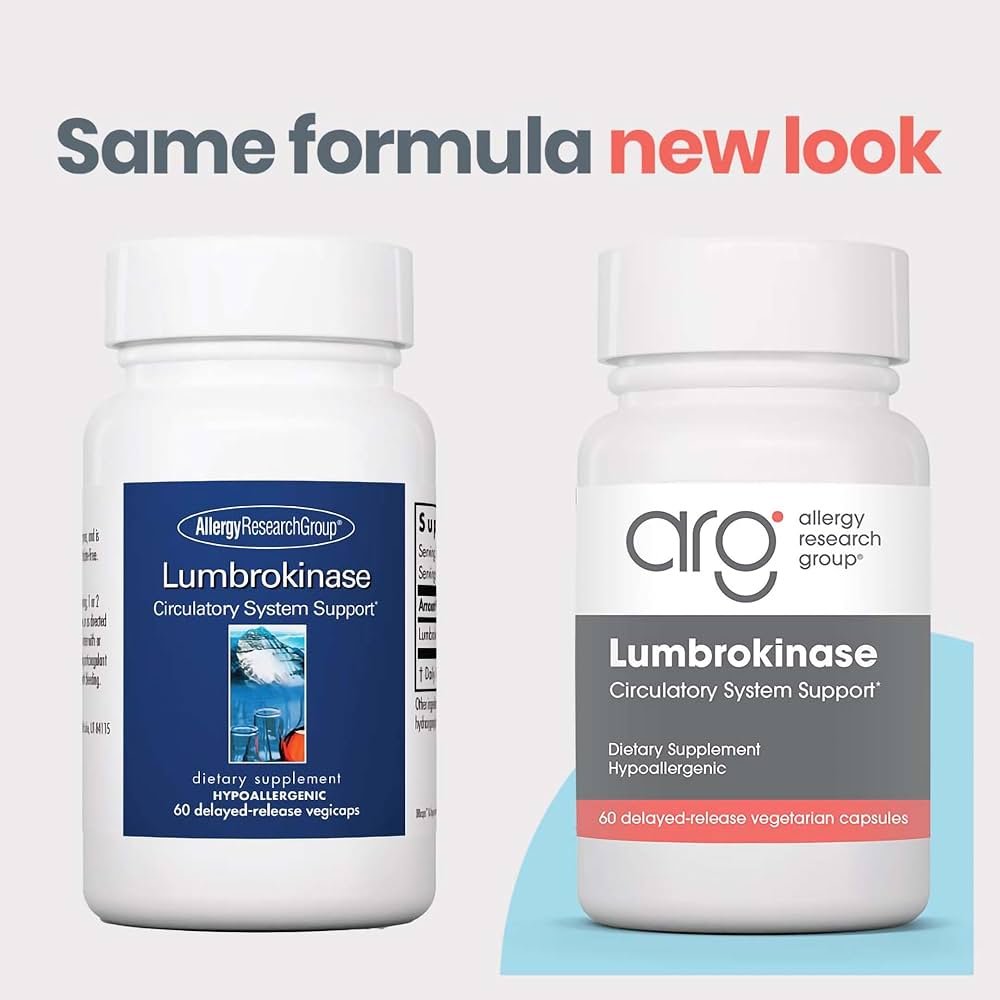
Protein enzymes can be vulnerable in gastric conditions. So formulators often consider enteric strategies, delayed-release capsules, or other protective delivery approaches to improve survival through the stomach and release downstream.
That does not mean every lumbrokinase product must be enteric-coated. But it does mean the question should be asked early, not after pilot failure.
For brands working in higher-spec markets, this can become a major point of technical differentiation. A standard capsule may be cheaper. A protected-delivery capsule may be smarter.
Manufacturing process: gentle is usually better
Enzyme formulation rewards restraint.
Aggressive wet granulation, repeated thermal exposure, long hold times, and harsh compression conditions can all chip away at activity. A simpler process often preserves more value. Not always, but often.
That is why enzyme-focused product development should involve three linked conversations from the beginning:
- What activity level must survive to end of shelf life?
- Which process steps threaten that activity?
- What packaging and storage controls are needed to protect it?
You know what? Too many teams ask only the first question.
Quality control should measure more than appearance
For lumbrokinase, appearance-based QC is nowhere near enough. You need activity-centered quality thinking.
That includes identity, microbial limits, heavy metals where relevant, moisture, and stability, of course. But the most important question remains whether the enzyme retains the intended functional activity after processing and through shelf life.
The category materials in your files repeatedly connect lumbrokinase with fibrinolytic function, not just raw compositional presence. So a serious product spec should reflect that reality.
A strong COA matters. A strong activity method matters more.
Positioning the product without overreaching
This is where commercial ambition needs a little discipline.
Lumbrokinase is interesting because it sits at the intersection of traditional use, modern enzyme science, and cardiovascular-health market demand. Earthworm-derived actives have been discussed for antithrombotic, antioxidant, immunomodulatory, and other bioactivities in the literature.
But formulation teams and marketers should resist the temptation to pile every possible mechanism into one label story.
A better approach is to build a clean positioning framework around:
- ingredient identity
- manufacturing quality
- enzyme activity preservation
- dosage-form rationale
- responsible, market-appropriate claims
That feels less flashy, maybe. But it is far more credible.
A few formulation mistakes worth avoiding
Let me explain, because these show up again and again.
Mistake 1: treating lumbrokinase like a generic protein powder
It is not. A bioactive enzyme ingredient needs tighter control over processing, environment, and delivery.
Mistake 2: overbuilding the formula
More ingredients do not always mean more value. Sometimes they just mean more instability.
Mistake 3: ignoring consumer use conditions
Hot water, acidic beverages, long storage in bathrooms, and poor resealing can all affect enzyme products. The formula should anticipate real life, not lab-perfect behavior.
Mistake 4: choosing a tablet only because it looks efficient on paper
A tablet is only efficient if activity survives.
Mistake 5: buying on price alone
For lumbrokinase, raw material quality, supplier process control, and documentation quality can have outsized impact on the finished product.
Where lumbrokinase fits best commercially
For buyers, the most promising opportunities usually come from technically disciplined categories rather than gimmicky ones.
That includes:
- cardiovascular support supplements
- circulation-focused wellness products
- combination formulas where enzyme preservation can be validated
- higher-spec oral dosage concepts with protected delivery
There may also be room in adjacent medical nutrition or pharmaceutical-development discussions, depending on jurisdiction and regulatory pathway. But the main point is simple: lumbrokinase works best when the formulation strategy respects that it is an active enzyme system, not just another protein-derived ingredient.
Final thought
Lumbrokinase is exciting for a reason. It carries a real scientific story, a strong functional identity, and genuine commercial appeal. But it also asks more from formulators.
That’s the contradiction, and honestly, it’s not a bad one.
The ingredient can help products stand out, yet only when the technical groundwork is solid: stable raw material, suitable dosage form, compatible excipients, careful processing, protective packaging, and quality control that focuses on activity, not just label claims.
Get those parts right, and lumbrokinase can become a serious high-value ingredient. Get them wrong, and it becomes an expensive lesson in enzyme fragility.
FAQs
1. What is the most important formulation issue when using lumbrokinase?
The biggest issue is preserving enzyme activity throughout processing, packaging, storage, and oral delivery. Since lumbrokinase is a bioactive fibrinolytic enzyme complex, activity loss can reduce the practical value of the finished product.
2. Is lumbrokinase better suited for capsules or tablets?
Capsules are often easier for enzyme protection because they avoid the high compression stress used in tablet production. Tablets can still be developed, but they usually require tighter control over excipients, process conditions, and activity retention.
3. Can lumbrokinase be used in powder blends or functional drink products?
It can, but powder and beverage concepts need extra care. Moisture, acidic systems, flavor components, and consumer mixing habits may all affect enzyme stability. Compatibility and stability testing are essential before launch.
4. Does oral lumbrokinase need enteric protection?
Not always, but it is an important consideration. Because oral delivery exposes protein enzymes to gastric conditions, some formulations may benefit from enteric or delayed-release strategies, especially in higher-spec product designs.
5. How should buyers evaluate a lumbrokinase raw material supplier?
Look beyond price. Ask about source standardization, activity assay methods, moisture control, manufacturing conditions, documentation quality, and stability support. For a lumbrokinase ingredient supplier, technical consistency matters as much as marketing language.