In the functional ingredient space, trends move fast. One year it’s collagen. The next, plant-based peptides. And now? A quiet but steady shift is happening around earthworm peptide powder.
At first glance, it sounds niche. Maybe even unconventional. But when you look at the data, the production upgrades, and the bioactive research coming out of Asia and Europe, something becomes clear: this isn’t a novelty ingredient. It’s positioning itself as a serious player in nutraceutical, pharmaceutical, and even cosmetic supply chains.
Let’s unpack what’s really happening.
A Once-Traditional Ingredient, Now Global
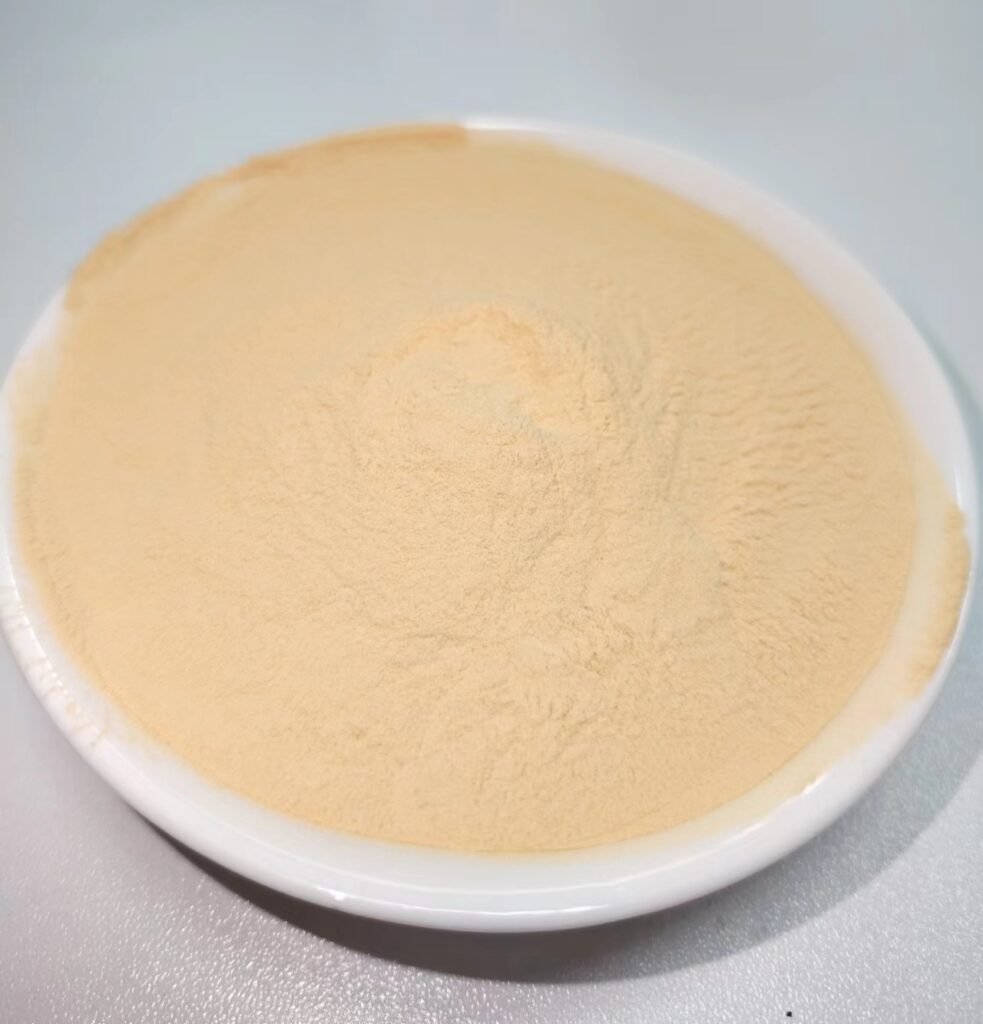
Earthworms—known as “Di Long” in traditional Chinese medicine—have been used for centuries. Ancient medical texts such as Shennong Bencao Jing documented their therapeutic roles. But tradition alone doesn’t drive a global market.
What’s changing is science.
Recent studies published in journals like Food Bioscience have identified specific bioactive peptides derived from earthworm protein. For example, in vitro gastrointestinal digestion of earthworm protein revealed novel ACE inhibitory peptides such as SSPLWER and RFFGP, demonstrating significant antihypertensive activity .
That’s not folklore. That’s molecular docking, enzyme kinetics, and IC50 values.
For dietary supplement manufacturers and pharmaceutical formulators, this shift from “traditional remedy” to “clinically investigated peptide fraction” is the turning point.
Why Buyers Are Looking Beyond Conventional Protein Hydrolysates
Let me explain something important.
The global peptide market isn’t just about protein content anymore. It’s about functionality per gram. Buyers are asking sharper questions:
- Does it survive digestion?
- Does it show competitive ACE inhibition?
- Is there immunomodulatory evidence?
- What’s the molecular weight distribution?
Earthworm peptide powder checks several of those boxes.
In controlled studies, earthworm protein autolysates demonstrated immunomodulatory effects in CTX-induced immunosuppressed mouse models, including restoration of cytokine balance and immune organ index . That positions it squarely within the immune health and post-chemotherapy supportive nutrition segments.
And here’s the thing—global demand for immune-support ingredients hasn’t slowed down since the pandemic years. If anything, procurement teams are diversifying sources.
Asia Leads Production, But Demand Is Diversifying
Production is still concentrated in China, where large-scale cultivation and standardized processing have matured. Modern production typically includes mechanical separation, enzymatic hydrolysis, low-temperature drying, sterilization, and fine milling .
That matters for B2B buyers.
Consistency in enzymatic hydrolysis degree (DH), TCA-soluble peptide proportion, and microbial safety compliance isn’t optional. It’s expected.
Meanwhile, demand is expanding:
- United States & Europe: cardiovascular and metabolic health supplements
- Southeast Asia: functional beverages and anti-inflammatory blends
- Middle East: premium nutraceutical imports
- Eastern Europe: peptide-based functional food innovation
Interestingly, Europe’s push toward alternative proteins is also opening doors. Earthworms have high protein conversion efficiency and lower greenhouse gas production compared to traditional livestock systems .
Sustainability isn’t just a marketing phrase anymore. It’s a procurement metric.
From Protein to Peptide: Why Molecular Size Matters
If you work in formulation, you already know this: smaller peptides behave differently than intact proteins.
Earthworm peptides are typically produced via enzymatic hydrolysis or controlled autolysis. The resulting low-molecular-weight fractions (<3 kDa) show improved absorption potential and bioactivity.
And this isn’t theoretical.
Research has identified multiple ACE inhibitory peptides with strong binding affinity values and competitive inhibition characteristics . Immunomodulatory peptides such as WNWLLPLMLG have also been validated in macrophage models .
For nutraceutical developers, this means:
- Easier encapsulation
- Lower dosage requirements
- Better positioning for “bioactive peptide” labeling
- Synergy with cardiovascular and immune formulations
You know what? That’s a strong value proposition.
Pharmaceutical Interest: Beyond Supplements


While peptide powder is trending in supplements, the pharmaceutical sector has long been interested in earthworm-derived bioactives, especially fibrinolytic enzymes.
The most well-known is Lumbrokinase—a group of enzymes with strong thrombolytic activity. Clinical discussions around its use in coronary heart disease, thrombosis, and vascular conditions are well documented .
This matters because:
Earthworm peptide powder and lumbrokinase often share upstream raw material and cultivation systems. As enzyme-based APIs gain attention, peptide fractions benefit from parallel research infrastructure and regulatory scrutiny.
Pharma buyers tend to move slowly—but when they move, they move with volume.
Functional Food & Beverage Applications Are Expanding
There’s another layer here.
Food innovation teams are experimenting with earthworm protein peptides in:
- Cholesterol management products
- Functional drinks
- High-protein snack bars
- Anti-inflammatory blends
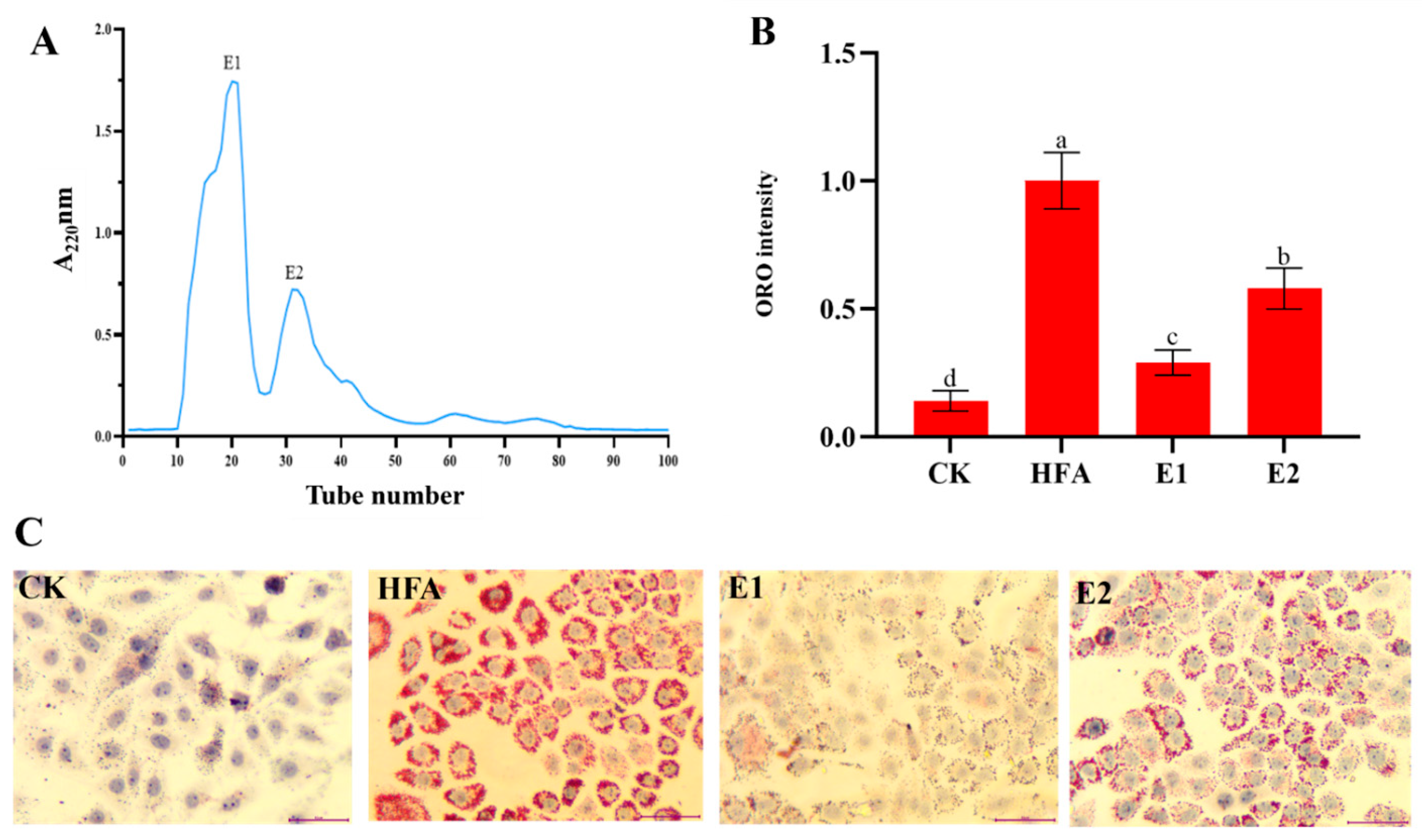
Innovative food applications have been explored, particularly in lipid-lowering and antioxidant segments .
The challenge? Flavor masking and consumer perception.
Let’s be honest. “Earthworm” isn’t a romantic word in Western marketing. That’s why many suppliers position it as “bioactive peptide complex” or “marine/soil-derived peptide.”
Perception shifts slowly—but efficacy sells.
Sustainability Narrative: More Than a Side Note
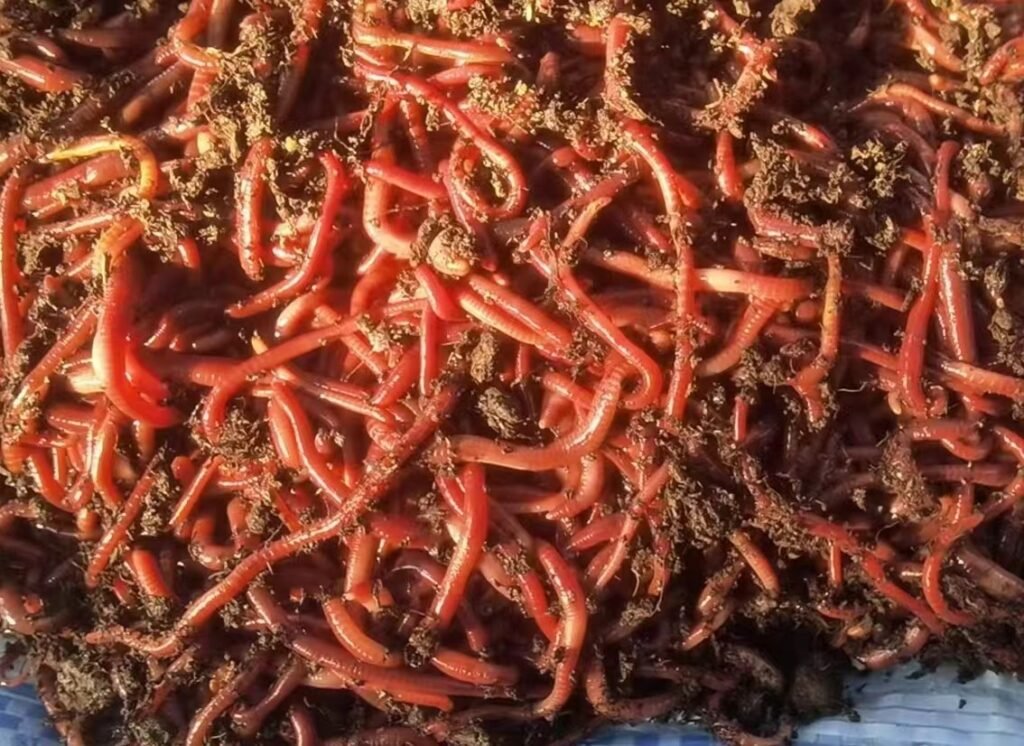
Earthworms are often described as soil ecosystem engineers. Their role in nutrient cycling and soil regeneration is well documented .
From a sustainability standpoint:
- High feed conversion efficiency
- Lower land requirement
- Organic waste recycling potential
- Minimal greenhouse gas output
For European buyers under ESG pressure, that narrative matters. It supports carbon-conscious product positioning.
And for manufacturers? It offers vertical integration opportunities—agriculture plus nutraceutical raw materials.
Market Challenges: Let’s Not Ignore Them
Now, a balanced view.
The global market still faces hurdles:
- Regulatory classification differences (novel food status in EU regions)
- Standardization issues across suppliers
- Limited Western clinical trials
- Consumer perception barriers
But here’s the interesting part.
Scientific output is increasing. Enzyme kinetics studies, molecular docking analyses, and immunological models are adding credibility year by year .
As more peer-reviewed publications accumulate, regulatory conversations become easier.
Where the Market Is Heading (2025–2030 Outlook)
If we look at signals across procurement data, R&D activity, and ingredient expos, five trends stand out:
- Shift toward bioactive-specific marketing (ACE inhibitory peptide claims)
- Combination formulas (earthworm peptides + plant sterols + omega-3)
- Low-dose high-efficacy positioning
- Expansion into cosmeceuticals (anti-inflammatory, antioxidant blends)
- Increased demand for GMP-certified production
Earthworm peptide powder isn’t replacing whey protein. It’s not competing with collagen directly. It’s carving a space in cardiovascular, immune, and anti-inflammatory niches.
And honestly? Niche ingredients often deliver the best margins.
Final Thoughts: From Curiosity to Credible Ingredient
A decade ago, earthworm-derived ingredients felt fringe outside Asia. Today, they’re appearing in ingredient catalogs across multiple continents.
The combination of:
- Demonstrated ACE inhibitory peptides
- Immunomodulatory validation
- Established fibrinolytic enzyme background
- Structured production processes
…is building a foundation for global expansion.
Markets don’t shift overnight. But they do shift when science, sustainability, and supply chain readiness meet at the same point.
And that’s exactly where earthworm peptide powder stands today.
FAQs About Global Market Trends of Earthworm Peptide Powder
1. What is driving the global demand for earthworm peptide powder?
The demand is driven by increasing interest in bioactive peptides with ACE inhibitory and immunomodulatory properties, supported by scientific studies identifying active peptide sequences and functional effects .
2. How is earthworm peptide powder different from earthworm protein powder?
Earthworm peptide powder consists of hydrolyzed low-molecular-weight peptides, which are more bioavailable and biologically active compared to intact earthworm protein. Peptide fractions show stronger ACE inhibitory and immune-modulating potential.
3. Is earthworm peptide powder used in pharmaceutical applications?
Yes. While peptide powder is primarily used in nutraceuticals, related earthworm-derived enzymes such as Lumbrokinase are studied and used in thrombolytic and cardiovascular applications .
4. What regions are leading production and export?
China remains the primary production hub due to established cultivation and processing systems , while demand is expanding into North America, Europe, Southeast Asia, and the Middle East.
5. Is earthworm peptide powder considered sustainable?
Compared to traditional livestock protein systems, earthworm cultivation offers high protein efficiency and lower environmental impact . Additionally, earthworms contribute to soil health and circular agriculture systems .