If you’ve been watching the alternative protein and functional ingredient space closely, you’ve probably noticed something interesting: earthworm peptide powder keeps popping up in technical discussions, procurement meetings, and even investor decks.
It’s no longer a niche topic.
From nutraceutical formulators in Europe to dietary supplement brands in Southeast Asia, the question isn’t “What is this?” anymore. It’s “How can we apply it?”
So why is earthworm peptide powder gaining global attention? And more importantly—what does that mean for manufacturers, suppliers, and product developers like you?
Let’s break it down.
Earthworm Peptide Powder: More Than Just Protein
First, a quick clarification.
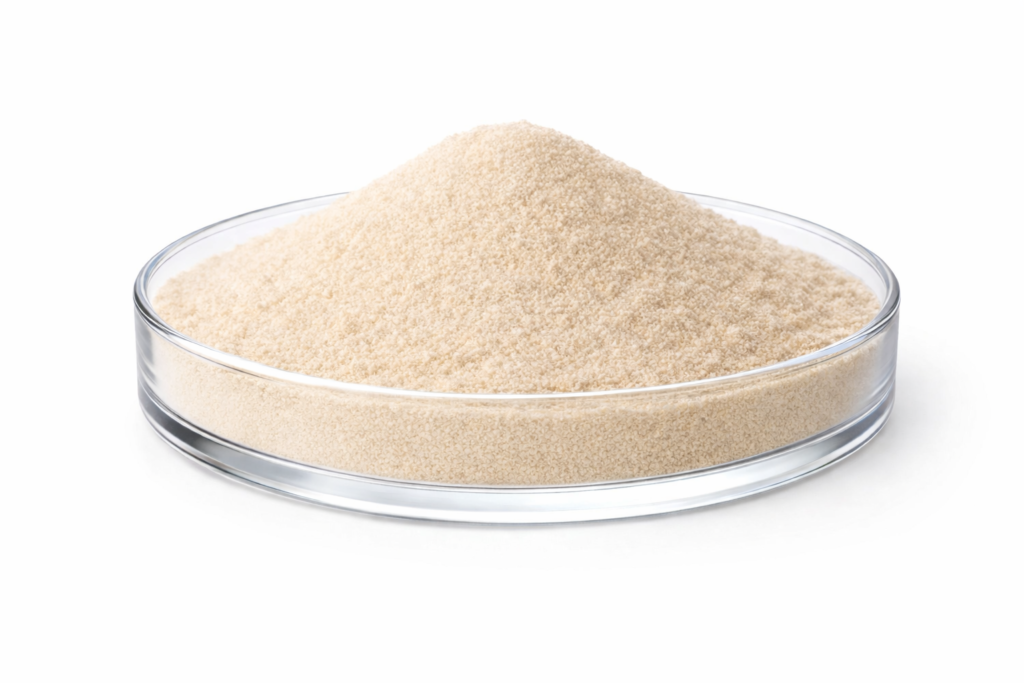
Earthworm peptide powder is not simply dried earthworm protein. It’s the result of enzymatic hydrolysis or controlled autolysis, where large proteins are broken down into smaller peptides.
And here’s the thing: size matters.
As outlined in discussions around peptide absorption mechanisms , small peptides—especially dipeptides and tripeptides—are absorbed through distinct transport pathways compared to free amino acids. That means:
- Faster absorption
- Less competition during uptake
- Higher bioavailability
- Greater functional
In practical terms? Peptides behave differently than raw protein. And in health-focused industries, that difference is everything.
1. Cardiovascular Health: The ACE Inhibition Story
One of the strongest drivers behind global interest is antihypertensive research.
A 2023 study published in Food Bioscience identified several novel ACE inhibitory peptides derived from in vitro gastrointestinal digestion of earthworm protein . Two peptides in particular showed significant activity with competitive inhibition patterns.
Why does this matter?
ACE (angiotensin-converting enzyme) plays a central role in blood pressure regulation. Synthetic ACE inhibitors are effective—but they’re also associated with side effects.
Food-derived ACE inhibitory peptides, by contrast, offer a gentler approach. That’s why:
- Functional beverage brands are exploring heart-health positioning
- Capsule manufacturers are targeting mild blood pressure support claims
- Pharmaceutical R&D teams are screening peptide sequences
This isn’t hype. It’s structure-activity relationship research, molecular docking, and IC50 validation data.
For buyers, that translates into scientifically anchored differentiation.
2. Immunomodulatory Potential: A Timely Advantage
Post-pandemic consumer behavior changed permanently. Immune support moved from seasonal interest to everyday necessity.
In another 2023 study, earthworm protein autolysates demonstrated immunomodulatory effects in CTX-induced immunosuppressed mice . The hydrolysates improved immune organ indices and modulated cytokine levels.
Now, let’s be realistic. Translating animal models into finished consumer products requires regulatory caution. But from a formulation standpoint, the implications are compelling:
- Immunity-focused supplements
- Gut barrier support formulas
- Recovery-oriented functional foods
The peptide WNWLLPLMLG, for example, showed strong activity in macrophage models .
And here’s where it gets interesting for manufacturers: autolysis can be scaled differently than traditional enzymatic hydrolysis. That opens doors for process optimization and cost efficiency.
3. Fibrinolytic Enzymes and Thrombosis Research
Let’s talk about the elephant in the room—lumbrokinase.
Earthworm-derived fibrinolytic enzymes have been studied for their ability to degrade fibrin and support circulatory health. Clinical applications in coronary heart disease and thrombosis contexts are documented in Chinese literature .
This connection boosts interest in peptide powders because:
- Many manufacturers co-develop lumbrokinase and peptide lines
- Raw material sourcing overlaps
- Brand storytelling becomes cohesive
However, peptide powder and enzyme extracts are not identical. Peptides often serve broader functional positioning—antioxidant, anti-inflammatory, metabolic—while enzymes remain more targeted.
For global markets, especially the U.S. and EU, peptide positioning is often easier to navigate than direct thrombolytic claims.
4. Functional Food Innovation Is Catching Up
Beyond supplements and pharma, food innovation is accelerating.
Applications discussed in food-sector materials highlight earthworm protein peptides for:
- Lipid metabolism support
- Antioxidant beverages
- High-protein, low-fat snack development
Let me explain why this matters.
Consumers are tired of the same whey-soy-pea rotation. Novel proteins attract attention. But novelty alone doesn’t sell—function does.
Earthworm peptides offer:
- High protein density
- Functional claims potential
- Sustainability narrative
And speaking of sustainability…
5. The Sustainability Angle Is Hard to Ignore
Earthworms are biological converters. They improve soil structure, enhance nutrient cycling, and support agricultural ecosystems .
From a lifecycle perspective:
- High protein conversion efficiency
- Low greenhouse gas output compared to livestock
- Rapid cultivation cycles
In a world obsessed with sustainable sourcing, this story resonates—especially in Europe.
Even better, earthworm protein is already recognized as a new food resource in China, strengthening supply chain credibility .
Sustainability isn’t just marketing fluff anymore. It influences procurement decisions.
6. Manufacturing Maturity Is Improving
A few years ago, one concern was process standardization.
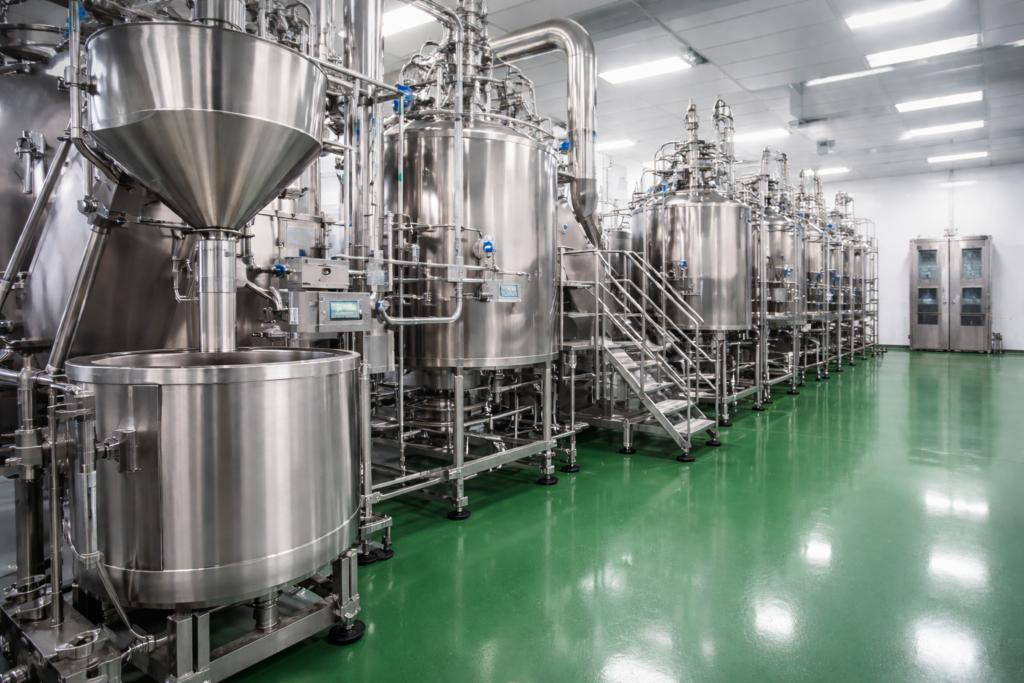
Today, production flows are clearly documented: mechanical separation, washing, enzymatic hydrolysis, centrifugation, spray-dried, sterilization .
Modern facilities now offer:
- Controlled hydrolysis degrees
- Defined molecular weight distribution
- Spray-dried powder formats
- OEM/ODM support
As manufacturing matures, buyer confidence rises.
And confidence drives global adoption.
7. A Cultural and Historical Backbone
Earthworm, known traditionally as “Di Long,” has been documented in Chinese materia medica for centuries .
While Western markets rely on modern research validation, the historical context adds depth:
- Traditional use for circulation
- Anti-inflammatory positioning
- Multi-system support
When tradition meets peer-reviewed research, credibility strengthens.
8. A Subtle But Powerful Market Shift
Here’s something many overlook.
The alternative protein conversation used to revolve around food scarcity. Now it’s about functional specificity.
Earthworm peptide powder sits at the intersection of:
- Alternative protein
- Bioactive peptides
- Enzyme biotechnology
- Sustainable agriculture
That’s a rare overlap.
It’s not trying to replace steak. It’s trying to enhance physiology.
And honestly? That’s a smarter positioning.
So… Why the Global Attention?
Because earthworm peptide powder checks multiple boxes at once:
✔ Scientifically validated ACE inhibitory peptides
✔ Emerging immunomodulatory evidence
✔ Established fibrinolytic enzyme background
✔ Functional food adaptability
✔ Sustainable protein narrative
✔ Improving manufacturing consistency
✔ Historical medicinal foundation
Few ingredients offer that combination.
And in competitive markets, combination value matters.
FAQs About Earthworm Peptide Powder
1. What is earthworm peptide powder used for in dietary supplements?
Earthworm peptide powder is commonly used in cardiovascular support, immune health formulations, and antioxidant supplements due to its bioactive peptides and potential ACE inhibitory activity.
2. How is earthworm peptide powder different from lumbrokinase?
Earthworm peptide powder contains small peptides derived from protein hydrolysis, while lumbrokinase is a specific fibrinolytic enzyme extract focused on thrombolytic applications.
3. Is earthworm peptide powder suitable for functional food development?
Yes. Its high protein content and potential lipid metabolism support make it suitable for functional beverages, protein bars, and health-oriented snacks.
4. What makes earthworm peptides more bioavailable than regular protein?
Small peptides are absorbed through specialized transport mechanisms, avoiding amino acid competition and improving uptake efficiency compared to intact protein.
5. Is earthworm peptide powder sustainable as a protein source?
Earthworms have high protein conversion efficiency and low environmental impact, making earthworm-derived peptides a promising sustainable protein ingredient for global markets.
If you’re a manufacturer, supplier, or formulation developer, the real question isn’t whether earthworm peptide powder is gaining attention.
It’s whether you’re ready to be part of that momentum.