
If you’ve been watching the functional ingredient space closely, you’ve probably noticed something interesting: lumbrokinase keeps popping up in conversations about cardiovascular health, circulation, and next-generation bioactive enzymes.
Not loudly. Not with hype. But steadily.
For dietary supplement brands, nutraceutical formulators, and pharmaceutical ingredient suppliers, that steady rise matters. It signals more than a passing trend. It suggests a shift in how natural fibrinolytic enzymes are being positioned in global markets.
So what’s driving this attention? Let’s unpack it—scientifically, commercially, and practically.
A Quick Refresher: What Exactly Is Lumbrokinase?
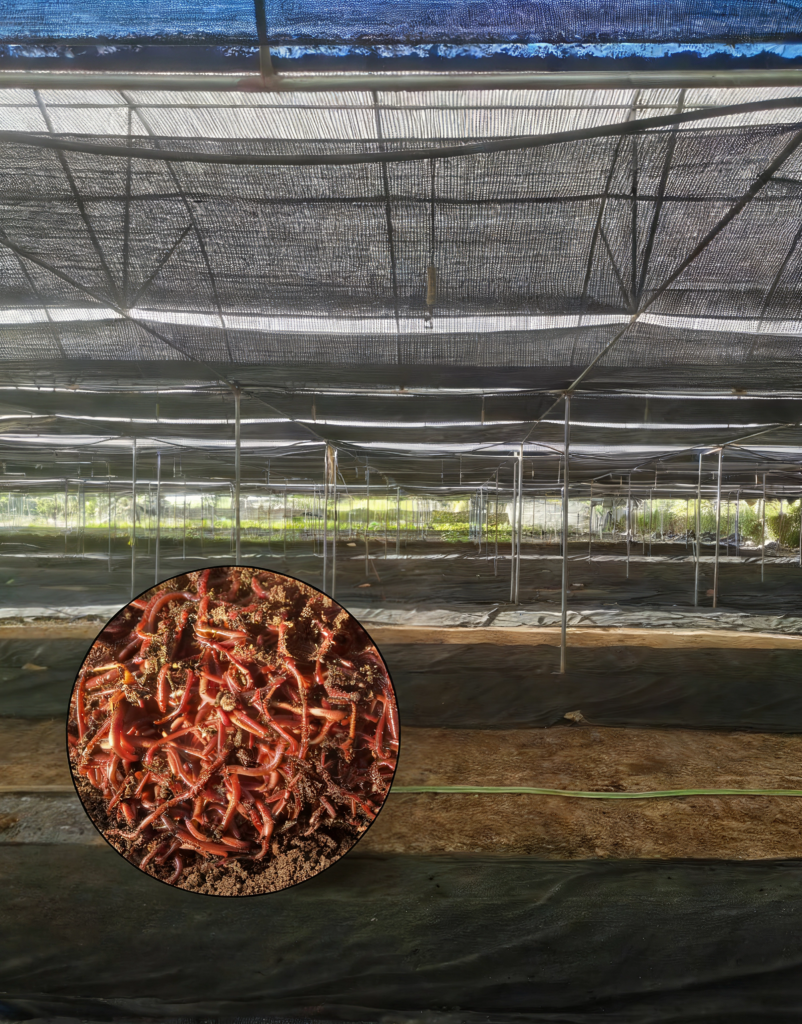


Lumbrokinase is a group of fibrinolytic enzymes extracted from earthworms, commonly species like Eisenia fetida. It belongs to a broader family of bioactive proteins found in earthworm extracts.
In simple terms?
It’s an enzyme that helps break down fibrin—the structural protein involved in blood clot formation.
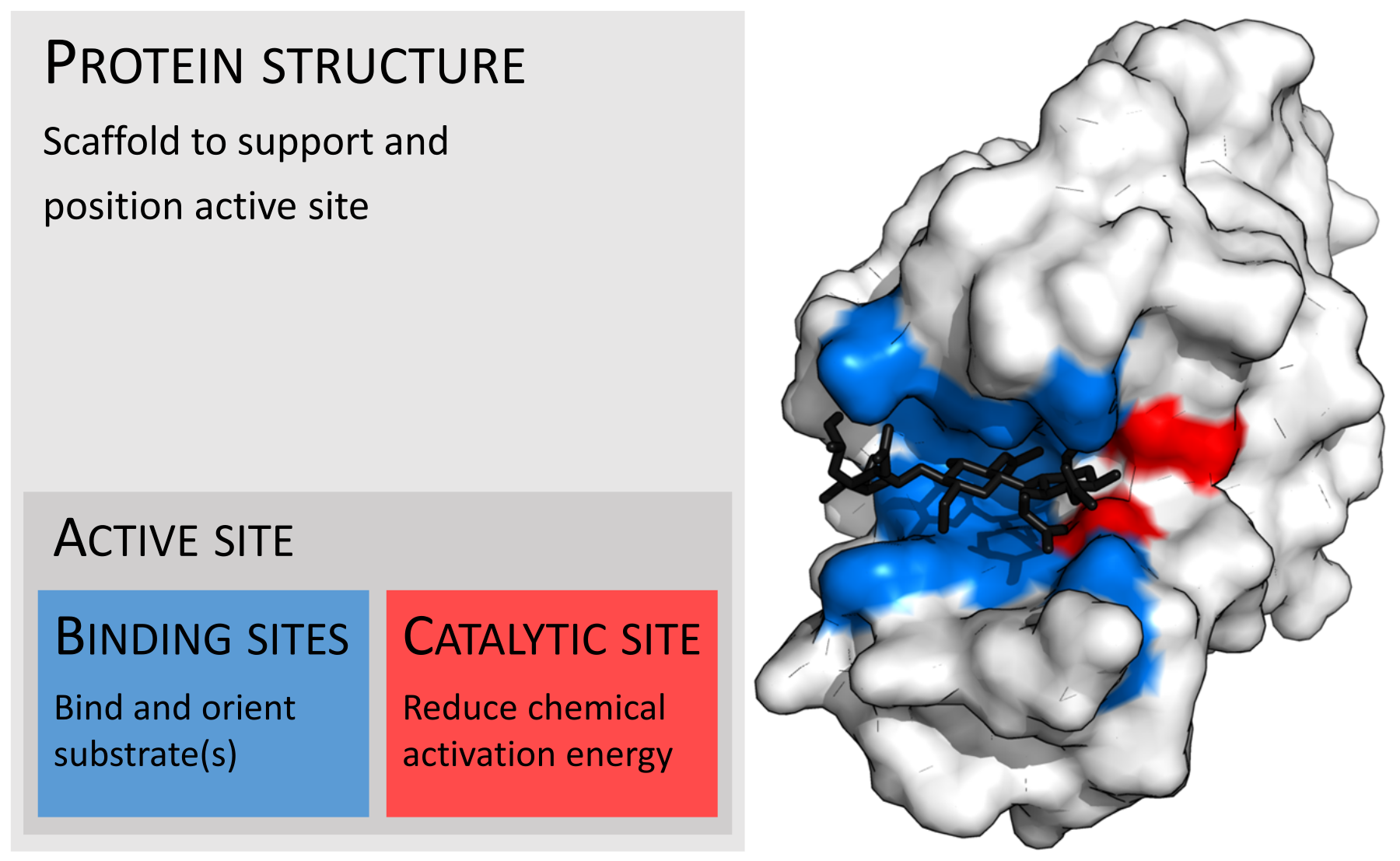
From a biochemical standpoint, lumbrokinase acts on fibrin and fibrinogen, supporting the body’s natural fibrinolytic system. Unlike synthetic thrombolytic drugs, it’s derived from a biological source and typically marketed in nutraceutical formats rather than as a prescription drug.
For a deeper look at the mechanism, the explanation of enzyme behavior and fibrin “net” breakdown in the uploaded reference on 蚓激酶科普 provides a clear analogy—describing fibrin as a “fishing net” trapping red blood cells and lumbrokinase as the “scissors” that cut it .
That metaphor? It sticks. And it’s useful when positioning the ingredient for both B2B and end-consumer education.
From Traditional Medicine to Modern Biotech
Lumbrokinase isn’t new. In traditional Chinese medicine, earthworm has been used for centuries for circulatory and anti-inflammatory purposes. What’s new is the standardization, purification, and analytical validation behind today’s lumbrokinase products.
Modern extraction and processing methods for earthworm protein typically involve:
- Mechanical separation
- Washing and hydrolysis
- Centrifugation and filtration
- Low-temperature drying
- Milling and sterilization
As described in the documented production flow for Earthworm Protein , the process is designed to preserve protein integrity and enzyme activity.
For manufacturers and wholesalers, that matters. Enzyme activity isn’t just a marketing claim—it’s measurable, and it’s fragile. Processing temperature, drying method, and microbial control directly affect final potency.
The Cardiovascular Market Is Expanding—And So Is Demand
Here’s the thing. Cardiovascular health is one of the largest global supplement categories. It spans:
- Blood pressure support
- Lipid metabolism
- Circulation enhancement
- Vascular integrity
- Anti-platelet and fibrinolytic support
While pharmaceutical ACE inhibitors and synthetic anticoagulants remain dominant in clinical settings, consumers increasingly look for natural adjunct options.
Research published in Food Bioscience identified novel ACE inhibitory peptides derived from earthworm protein . While ACE inhibition and fibrinolysis are distinct mechanisms, they both intersect in the broader cardiovascular regulation pathway.
For nutraceutical developers, that opens formulation possibilities:
- Lumbrokinase + ACE-inhibitory peptides
- Lumbrokinase + omega-3 fatty acids
- Lumbrokinase + polyphenols
- Lumbrokinase + nattokinase (with careful regulatory positioning)
It’s not about replacing pharmaceuticals. It’s about complementary positioning in preventive health.
Clinical Interest and Therapeutic Exploration



Clinical literature has explored lumbrokinase in contexts such as:
- Coronary heart disease
- Thrombosis management
- Varicose veins
- Post-surgical circulation support
According to the uploaded document discussing its medical applications, lumbrokinase has been investigated for coronary heart disease, venous disorders, and thrombolytic support .
Now, let’s be clear. Claims vary by jurisdiction. Nutraceutical positioning must remain compliant. But the research footprint itself contributes to credibility in B2B negotiations.
Ingredient buyers often ask:
“Is there published data?”
“Are there mechanistic studies?”
“Is this just folklore?”
In this case, there’s a growing body of peer-reviewed work. And that shifts the conversation.
Bioactive Peptides: The Bigger Story Behind the Enzyme
Here’s where things get more interesting.
Earthworm protein doesn’t just yield fibrinolytic enzymes. It also generates:
- ACE inhibitory peptides
- Antioxidant peptides (as described in the related research summary)
- Immunomodulatory peptides in autolysate preparations
For nutraceutical ingredient suppliers, this multi-functionality changes how earthworm-derived materials are framed.
Instead of positioning lumbrokinase as a single-activity enzyme, companies can build broader portfolios:
- Lumbrokinase (fibrinolytic focus)
- Earthworm protein peptides (cardiovascular + antioxidant support)
- Autolysate-based immune peptides
That layered value proposition appeals strongly to formulators looking for differentiation in crowded supplement shelves.
Sustainability Is Quietly Playing a Role
Let’s pause for a moment. There’s another driver here—one that’s not purely pharmacological.
Earthworms are:
- High-protein biomass
- Efficient converters of organic matter
- Lower greenhouse gas emitters compared to traditional livestock
Research highlights their role as sustainable protein sources and their ecological importance .
In a market increasingly focused on alternative proteins and sustainable sourcing, earthworm-derived ingredients occupy an unusual—but strategic—position.
They’re not plant-based.
They’re not traditional animal livestock.
They sit somewhere in between.
For European and North American buyers especially, sustainability narratives matter in procurement decisions.
Manufacturing Challenges (Yes, There Are Some)
Now, let’s not romanticize it.
Lumbrokinase production requires:
- Strict microbial control
- Heavy metal monitoring
- Controlled drying temperatures
- Standardized enzyme activity testing
Raw material sourcing consistency is critical. Species variation, feedstock, and farming conditions influence protein composition.
Enzyme stability also demands careful formulation—enteric coating, capsule selection, and moisture control can make or break final product performance.
For wholesalers and OEM manufacturers, quality control is not optional. It’s the differentiator.
Regulatory Landscape: A Patchwork Reality
Regulatory positioning varies widely:
- In some regions, lumbrokinase is marketed as a dietary supplement.
- In others, it may fall under stricter regulatory review.
- Label claims must be carefully worded to avoid drug classification.
B2B suppliers need to provide:
- COA (Certificate of Analysis)
- Enzyme activity data
- Microbiological safety reports
- Heavy metal testing
- Stability studies
Professional buyers expect documentation. Without it, attention fades quickly.
Why the Attention Now?
So why is lumbrokinase gaining momentum now, not ten years ago?
Several converging factors:
- Aging global population
- Increased consumer focus on preventive cardiovascular health
- Interest in natural fibrinolytic enzymes
- Growth of e-commerce supplement brands
- Advances in peptide and enzyme analytics
- Sustainable protein sourcing conversations
It’s not one breakthrough moment. It’s cumulative momentum.
And honestly? Momentum is powerful in ingredient markets.
Looking Ahead: Where Is This Going?
We may see:
- Combination cardiovascular enzyme complexes
- Precision-dosed enzyme blends
- Greater emphasis on bioavailability
- Expanded clinical trials for specific indications
- Improved standardization of enzyme activity units
For manufacturers, this is a window. For formulators, it’s an opportunity. For distributors, it’s a category to watch carefully.
Lumbrokinase may never become a household name like vitamin C. But in specialized cardiovascular and circulatory supplement niches, it’s carving out space.
Steadily. Methodically.
And that’s usually how durable ingredient categories are built.
FAQs About Lumbrokinase in Nutraceutical Applications
1. What is lumbrokinase used for in dietary supplements?
Lumbrokinase in dietary supplements is primarily positioned for supporting healthy circulation and fibrin balance. It is commonly included in cardiovascular health formulations focused on circulatory support and vascular wellness.
2. How does lumbrokinase differ from other fibrinolytic enzymes?
Lumbrokinase is derived from earthworms and contains multiple isoenzymes with fibrinolytic activity. Unlike some plant-derived enzymes, it has been studied in both enzymatic and clinical contexts for its specific fibrin-targeting mechanisms.
3. Is lumbrokinase supported by scientific research?
Yes. Peer-reviewed studies have investigated earthworm-derived enzymes and peptides, including ACE inhibitory and fibrinolytic activity . However, regulatory claims must align with local supplement laws.
4. Can lumbrokinase be combined with other cardiovascular ingredients?
Yes. It is often formulated alongside omega-3 fatty acids, antioxidant peptides, polyphenols, or other circulation-support ingredients. Stability and enzyme activity preservation must be considered in formulation design.
5. What should Buyers look for when sourcing lumbrokinase?
Buyers should verify:
- Enzyme activity units
- Microbial and heavy metal testing
- Manufacturing process transparency
- Stability data
- Regulatory compliance documentation
If you’re in the dietary supplement or nutraceutical supply chain, lumbrokinase isn’t just another enzyme. It’s part of a broader shift toward multifunctional, biologically derived active ingredients.
And shifts like that? They tend to last.