
In the functional ingredient space, trends come and go. Some are marketing-driven. Others are driven by real science.
Lumbrokinase falls firmly into the second category.
For dietary supplement brands, nutraceutical formulators, pharmaceutical ingredient suppliers, and even forward-thinking cosmetic developers, lumbrokinase isn’t just another enzyme. It’s a highly specialized fibrinolytic enzyme complex with a long research history and growing commercial relevance.
So why is lumbrokinase gaining consistent attention across global markets?
Let’s unpack it — practically, scientifically, and commercially.
What Exactly Is Lumbrokinase?


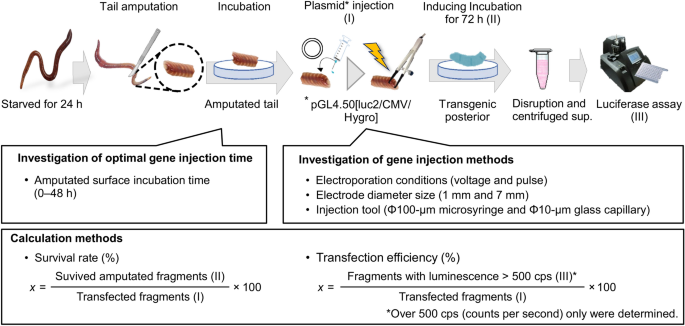
Lumbrokinase is a group of proteolytic enzymes extracted from earthworms, commonly from Eisenia fetida species. It belongs to the serine protease family and is primarily known for its strong fibrinolytic activity — meaning it helps break down fibrin, the protein mesh that forms blood clots.
Unlike broad-spectrum proteases, lumbrokinase is highly specific. It targets fibrin more selectively, which is one reason researchers have studied it so extensively.
Historically, earthworms (known as “Di Long” in traditional Chinese medicine) have been used for circulation-related conditions. Modern research isolated the active enzymatic components and identified them collectively as lumbrokinase.
In fact, scientific literature has repeatedly demonstrated its thrombolytic and circulatory-support properties , which helps explain why it transitioned from traditional use into modern functional ingredient status.
Why Functional Enzyme Ingredients Matter More Than Ever
Here’s the thing — enzyme-based ingredients aren’t just “nice to have” anymore.
They’re central to modern formulation strategy.
Consumers increasingly look for:
- Targeted cardiovascular support
- Clean-label enzyme ingredients
- Naturally derived actives
- Clinically studied bioactives
For suppliers, this translates into a simple reality: brands want ingredients backed by both mechanistic science and production reliability.
Lumbrokinase checks both boxes.
The Science Behind Its Value
Let’s talk mechanisms — but without turning this into a biochemistry lecture.
1. Direct Fibrinolytic Activity
Lumbrokinase directly degrades fibrin. That’s critical because fibrin is the structural scaffold of blood clots.
Unlike some indirect agents, lumbrokinase doesn’t rely solely on upstream activation pathways. It can act on fibrin itself, which gives it distinct functional positioning in cardiovascular formulations .
For supplement brands targeting circulation, vein health, or heart wellness, that specificity matters.
2. Enzymatic Precision
Enzymes are like biological keys. Each one fits a particular molecular lock.
As explained in foundational protein science discussions , enzyme function depends entirely on structural conformation. Lumbrokinase’s spatial structure allows it to interact precisely with fibrin substrates.
This specificity reduces off-target effects — a significant consideration when formulating systemic products.
3. Bioactive Peptide Potential
Earthworm-derived proteins don’t stop at enzymes. Research has identified additional bioactive peptides with ACE-inhibitory and cardiovascular relevance .
That broader biological background enhances the credibility of earthworm-derived functional ingredients in general — including lumbrokinase.
It signals that the raw material itself has deep biochemical complexity, not just one isolated action.
Clinical Relevance: Where It Shows Up
Lumbrokinase has been studied in several health contexts:
- Coronary heart conditions
- Deep vein thrombosis
- Circulatory disorders
- Post-surgical clot prevention
Clinical and pharmacological reviews highlight its application in coronary disease and thrombolytic therapy .
Now, does that mean it replaces pharmaceutical anticoagulants? No. And serious formulators know that.
But in the nutraceutical sector, it occupies a very specific, high-value niche: adjunct circulatory support with enzymatic precision.
From Raw Earthworm to High-Purity Enzyme: Manufacturing Matters
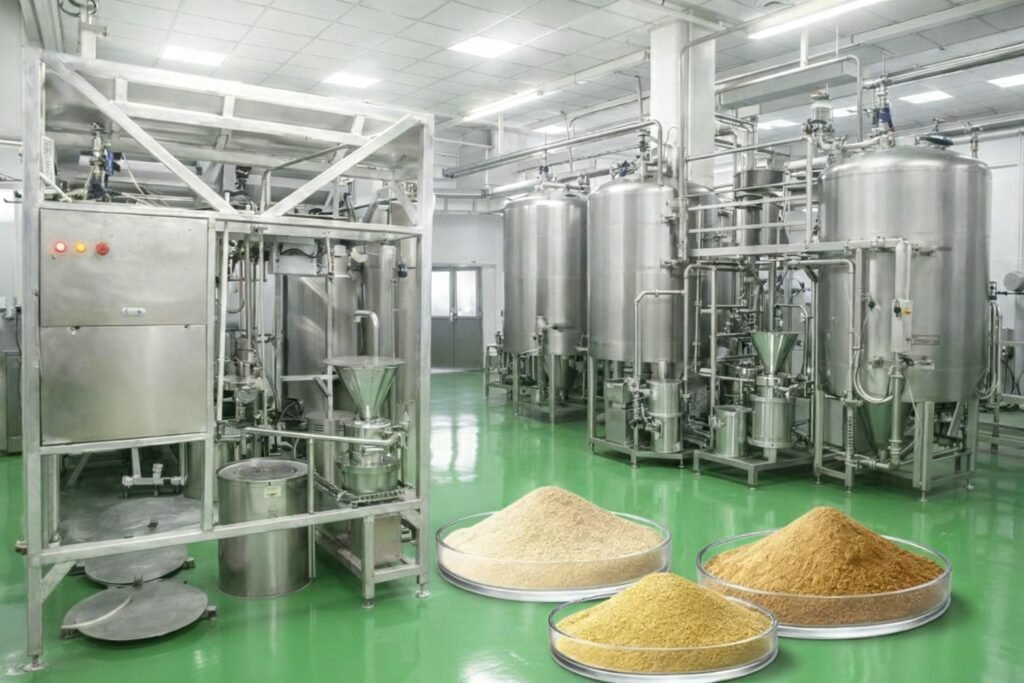
For buyers, this is often the deciding factor.
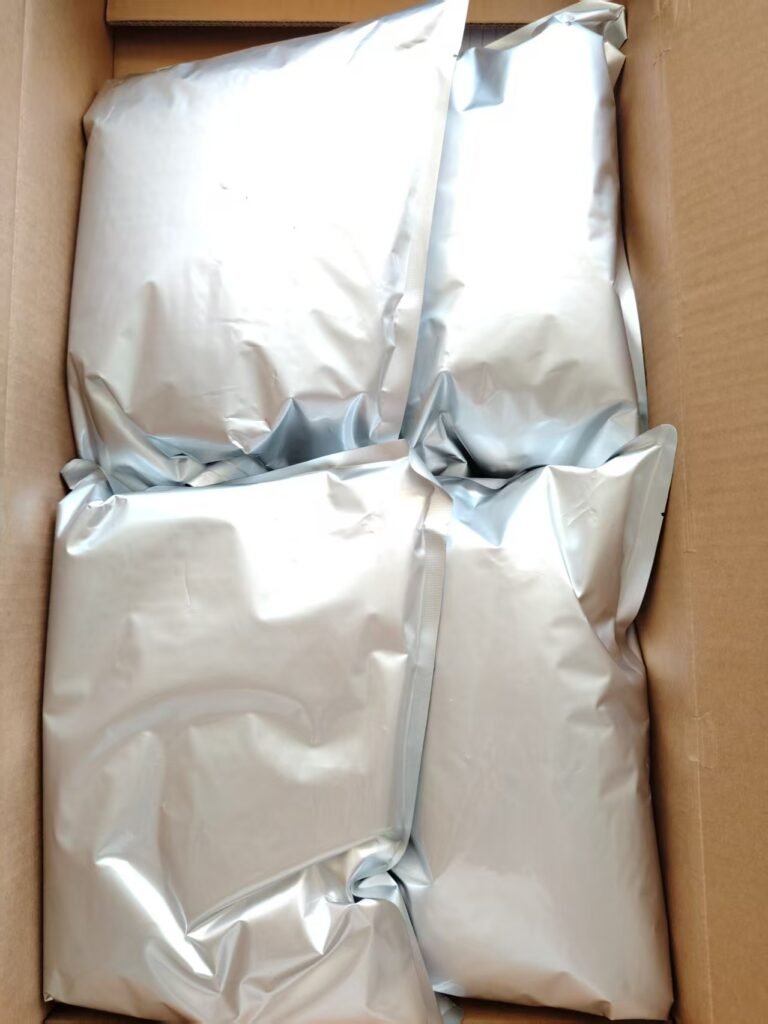
High-quality lumbrokinase begins with controlled earthworm cultivation, mechanical separation, enzymatic extraction, purification, low-temperature drying, and sterile packaging .
Why does low temperature matter?
Because enzyme activity is fragile. Heat denatures proteins. A poorly controlled drying process can destroy enzymatic potency before it ever reaches encapsulation.
Reliable manufacturers focus on:
- Standardized enzyme activity units
- Heavy metal control
- Microbial testing
- Stability validation
- Batch traceability
Without those controls, “lumbrokinase” becomes just a label — not a functional enzyme.
Why Nutraceutical Brands Like It
Let’s shift from lab bench to product strategy.
Lumbrokinase offers several commercial advantages:
Strong Differentiation
Not every brand carries enzyme-based cardiovascular ingredients. That already sets products apart.
High-Value Positioning
Because of its specificity and research background, lumbrokinase supports premium pricing.
Synergy Potential
It pairs well with:
- Nattokinase
- Serrapeptase
- Coenzyme Q10
- Omega-3 fatty acids
This creates multi-layered cardiovascular formulas.
Small Dosage, High Impact
Enzymes often work at relatively low milligram levels compared to bulk botanicals. That makes formulation easier and capsule sizes manageable.
What About Immunity and Inflammation?
Interestingly, broader earthworm protein research shows immunomodulatory potential as well .
While lumbrokinase itself is primarily valued for fibrinolysis, the overall earthworm protein ecosystem supports immune regulation and inflammatory balance.
That background strengthens the narrative for multifunctional health formulations.
Safety Profile and Regulatory Awareness
This is where professional tone matters.
Lumbrokinase is used in certain countries in pharmaceutical contexts, while in other markets it is positioned as a dietary supplement ingredient.
Formulators must always consider:
- Regional regulatory classification
- GRAS considerations
- Dosage compliance
- Labeling language
Responsible manufacturers provide COAs, stability data, and testing documentation.
Because here’s the truth: scientific credibility means nothing if compliance fails.
Is It Just a Trend?
Honestly? No.
Lumbrokinase has decades of documented research and traditional use behind it. It’s not a social media ingredient.
Its appeal grows slowly but steadily — especially in markets focused on preventive cardiovascular health.
That kind of growth tends to last.
Where It Fits in the Future of Functional Enzymes
The enzyme market is expanding beyond digestion.
We now see enzymes used for:
- Cardiovascular health
- Systemic inflammation
- Metabolic regulation
- Healthy aging
Lumbrokinase sits at the intersection of cardiovascular science and enzymology.
As populations age — particularly in North America, Europe, and parts of Asia — demand for non-pharmaceutical circulatory support continues to rise.
And enzyme-based ingredients often feel “closer to nature” to consumers than synthetic drugs.
That perception matters.
A Quick Reality Check
Is lumbrokinase a miracle cure?
No.
Is it a technically fascinating, functionally specific enzyme ingredient with commercial and scientific value?
Absolutely.
For ingredient suppliers and formulators who prioritize:
- Mechanistic clarity
- Clean manufacturing
- Targeted health positioning
- Premium product development
It remains one of the more interesting enzyme ingredients available.
And interesting, in this industry, usually means opportunity.
FAQs About Lumbrokinase as a Functional Enzyme Ingredient
1. What makes lumbrokinase different from nattokinase?
Lumbrokinase directly degrades fibrin with high specificity, while nattokinase primarily activates plasminogen. Their mechanisms differ, making lumbrokinase a more direct fibrinolytic enzyme ingredient for cardiovascular support formulations.
2. Is lumbrokinase suitable for dietary supplement manufacturing?
Yes, lumbrokinase is widely used in nutraceutical ingredient manufacturing for circulatory and cardiovascular support supplements, provided regulatory compliance and proper enzyme activity standardization are maintained.
3. How is lumbrokinase extracted for commercial use?
It is extracted from controlled earthworm sources through mechanical separation, enzymatic purification, centrifugation, low-temperature drying, and sterile packaging processes to preserve enzymatic activity.
4. What dosage forms commonly use lumbrokinase?
Lumbrokinase is typically formulated into capsules, tablets, and enzyme blends for cardiovascular dietary supplements. Enteric-coated formats are often preferred to protect enzyme activity through gastric passage.
5. Why is lumbrokinase considered a premium functional enzyme ingredient?
Because of its targeted fibrinolytic mechanism, clinical research background, enzymatic specificity, and controlled manufacturing requirements, lumbrokinase supports high-value positioning in nutraceutical and pharmaceutical ingredient markets.