
A quiet revolution in functional proteins
Let’s be honest. Ten years ago, if someone said earthworm protein powder would be featured in high-end nutraceutical discussions, most people would have raised an eyebrow.
But here we are.
For dietary supplement manufacturers, pharmaceutical ingredient buyers, and functional food formulators, earthworm-derived protein is no longer a curiosity—it’s becoming a technically interesting, biologically active raw material.
What changed?
Science caught up. And the applications became clearer.
From cardiovascular support to antioxidant formulations, immunomodulatory blends, and even beauty-from-within concepts, earthworm protein powder is carving out a serious niche in health foods and supplements.
Let’s unpack where it fits—and why.
Nutritional Foundation: More Than Just Protein
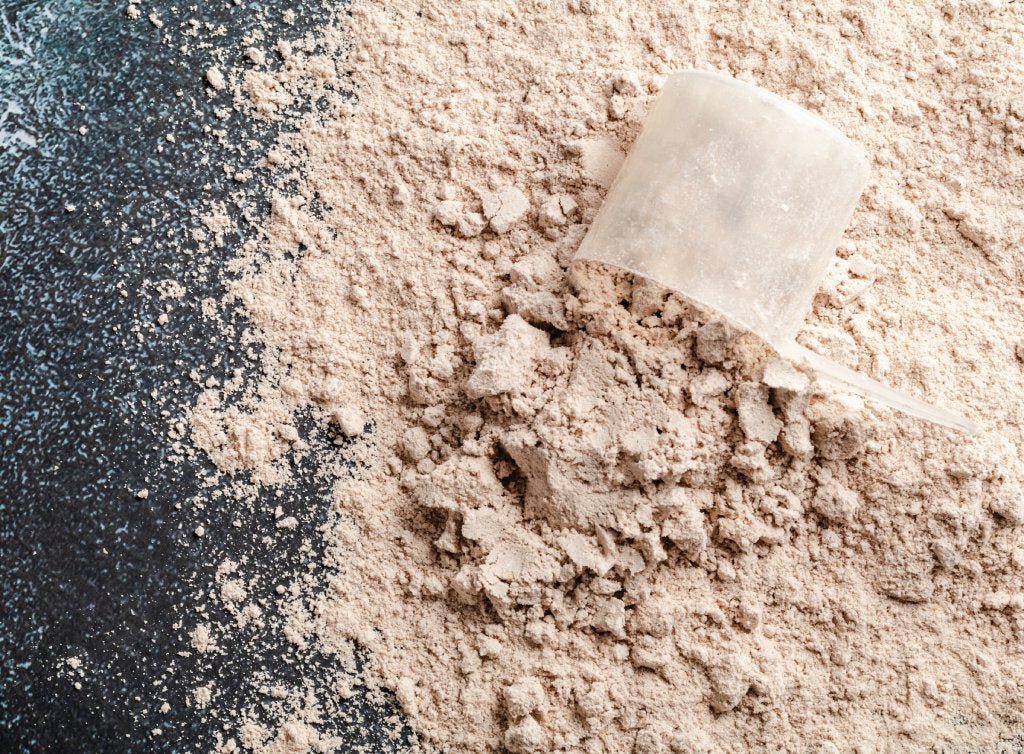
At its core, earthworm protein powder is exactly what it sounds like—a concentrated protein ingredient derived from carefully processed earthworms.
But composition matters.
Research shows earthworms can contain 54–71% protein (dry weight) . Other analyses report protein levels exceeding 70% . That’s competitive with many animal protein sources—and in some cases, superior in amino acid balance.
And unlike conventional protein isolates, earthworm protein isn’t just nutritional. It’s biologically active.
It contains:
- Functional peptides
- Enzymes such as lumbrokinase
- Antioxidant peptide fractions
- Immunomodulatory fragments
So yes—it’s protein.
But it’s also a delivery system for bioactive compounds.
That distinction is important for product developers.
Cardiovascular Health: Where Science Gets Interesting
Here’s where things become commercially exciting.
1. ACE Inhibitory Peptides for Blood Pressure Support
Simulated gastrointestinal digestion of earthworm protein has identified multiple ACE inhibitory peptides .
Certain peptide fractions (<3 kDa) demonstrated strong ACE inhibition activity .
For formulators, this opens the door to:
- Blood pressure support capsules
- Functional heart-health powders
- Cardiovascular drink sachets
- Preventive nutrition blends
And because these peptides are derived from food protein digestion, they align well with the functional food positioning rather than purely pharmaceutical claims.
2. Fibrinolytic Enzyme Applications
Earthworms are also known for fibrinolytic enzymes such as lumbrokinase .
These enzymes act on fibrin structures involved in clot formation. In clinical contexts, lumbrokinase has been studied for cardiovascular support applications .
For supplement manufacturers, this means:
- Circulation support formulas
- Blood flow enhancement blends
- Combination products with nattokinase or polyphenols
This is not mainstream whey protein territory.
This is functional, targeted ingredient strategy.
Antioxidant & Anti-Inflammatory Applications
We often associate antioxidant claims with plant extracts—green tea, resveratrol, astaxanthin.
But dig a little deeper.
Enzymatic digestion of earthworm protein has yielded antioxidant peptides with strong free radical scavenging activity .
Specific peptides demonstrated effective DPPH and ABTS radical scavenging capacity .
That matters because oxidative stress is central to:
- Aging
- Metabolic disorders
- Cardiovascular dysfunction
- Immune imbalance
So earthworm protein powder can be positioned in:
- Anti-aging blends
- Liver support supplements
- Recovery formulas
- Preventive health products
It’s not flashy. It’s biochemical.
And in ingredient markets, biochemical credibility sells.
Immunomodulatory Support: A Post-Pandemic Opportunity
Let me explain something subtle but important.
Protein hydrolysates derived via autolysis of earthworm protein (EPA) have demonstrated immunomodulatory activity in cyclophosphamide-induced immunosuppressed mice models .
In that study:
- Degree of hydrolysis reached 22.38%
- Soluble peptide content reached 77.92%
The autolysate supported immune organ indices and immune-related markers .
For nutraceutical manufacturers, that suggests potential in:
- Immune support capsules
- Gut-immune axis formulations
- Post-antibiotic recovery supplements
- Senior immune blends
And here’s the thing—immunity remains a permanent category now. Not seasonal. Permanent.
Ingredients that support both cardiovascular and immune positioning? That’s formulation gold.
Sports & High-Protein Functional Nutrition
Now this might sound contradictory.
Earthworm protein isn’t currently positioned as a mainstream sports protein. It’s not competing with whey isolate or pea protein on mass gain marketing.
But that’s not the right comparison.
Because:
- It’s high protein
- It’s low fat
- It contains bioactive peptides
That makes it suitable for:
- Performance recovery blends
- High-protein therapeutic nutrition
- Medical nutrition powders
- Clinical protein supplementation
In other words, it belongs more in functional recovery systems than bodybuilding tubs.
Different audience. Different strategy.
Functional Beverages & Nutritional Bars
According to research on innovative food applications , earthworm protein peptides have been explored in:
- Functional drinks
- Lipid-lowering foods
- Antioxidant beverages
- Fortified nutrition bars
But formulation requires attention.
Protein hydrolysates can affect taste. Slight bitterness is common. Microencapsulation or blending strategies help mitigate that.
For ingredient suppliers, offering:
- Custom peptide fractions
- Spray-dried fine powders
- Odor-reduced grades
makes all the difference.
Senior Nutrition & Preventive Health
Here’s a demographic reality: the aging population is expanding globally.
Older consumers care about:
- Circulation
- Mobility
- Immune resilience
- Anti-oxidative stress
Earthworm protein derivatives touch several of those categories simultaneously.
It’s rare to find one ingredient platform that spans:
- Blood pressure
- Circulation
- Antioxidant
- Immune modulation
This multifunctionality is especially attractive for senior-targeted SKUs.
Beauty-From-Within & Nutricosmetics
You wouldn’t immediately think “cosmetics” when hearing earthworm protein.
But consider this:
- Antioxidant peptides
- Anti-inflammatory potential
- Circulation-enhancing components
Skin aging is closely tied to oxidative stress and microcirculation.
This creates positioning opportunities in:
- Skin vitality capsules
- Collagen synergy blends
- Anti-aging nutraceuticals
And in some Asian markets, earthworm-derived ingredients already carry traditional medicine credibility .
That cultural familiarity reduces market resistance.
Manufacturing & Supply Considerations
Production typically involves:
- Mechanical separation
- Cleaning
- Hydrolysis
- Centrifugation
- Low-temperature drying / spray drying
Low-temperature drying is particularly important for preserving enzyme activity.
For buyers, key checkpoints include:
- Heavy metal testing
- Microbial limits
- Protein content specification
- Enzyme activity standardization
- Particle size consistency
Stability testing is also critical, especially when positioning enzyme-rich fractions.
Sustainability & Environmental Angle
Here’s something often overlooked.
Earthworms are efficient biological converters. They play vital roles in soil ecosystems .
They require:
- Lower feed input
- Minimal land compared to livestock
- Rapid biomass regeneration
For brands focused on sustainable protein sourcing, this becomes a compelling narrative.
Sustainable. Functional. High-protein.
That combination is powerful in modern ingredient sourcing conversations.
So Where Does Earthworm Protein Powder Fit?
Not everywhere.
But in the right places? It fits extremely well.
It belongs in:
- Cardiovascular health supplements
- Immune-modulating functional foods
- Antioxidant beverage systems
- Senior nutrition
- Specialized clinical nutrition
- Beauty-from-within capsules
It’s not a commodity protein.
It’s a bioactive platform ingredient.
And for manufacturers who understand differentiation, that matters.
FAQs
1. What are the main health benefits of earthworm protein powder in dietary supplements?
Earthworm protein powder is studied for ACE inhibitory peptides, antioxidant peptides, fibrinolytic enzymes such as lumbrokinase, and immunomodulatory effects. These functions make it relevant for cardiovascular health supplements, immune support formulations, and functional anti-aging products.
2. Can earthworm protein powder be used in functional beverages?
Yes. Hydrolyzed earthworm protein peptides can be incorporated into functional drinks and ready-to-mix sachets. Taste masking and microencapsulation are often applied to improve palatability in antioxidant or circulation-support beverages.
3. Is earthworm protein powder suitable for pharmaceutical ingredient applications?
Certain fractions, especially enzyme-rich extracts like lumbrokinase, have been studied in clinical contexts for circulation and fibrinolytic activity. Pharmaceutical-grade applications require strict purification, standardization, and regulatory compliance.
4. How does earthworm protein compare to traditional animal proteins?
Unlike conventional animal proteins that mainly provide amino acids, earthworm protein also delivers bioactive peptides and enzymes with potential cardiovascular, antioxidant, and immune-modulating properties, offering added functional value beyond nutrition.
5. What should manufacturers consider when sourcing earthworm protein powder?
Manufacturers should evaluate protein content, enzyme activity, heavy metal testing, microbiological safety, hydrolysis degree, particle size, and drying method. Stable supply chains and standardized production processes are essential for consistent nutraceutical formulation.