A quiet ingredient with surprisingly loud potential
Let’s be honest. “Earthworm protein powder” doesn’t sound glamorous at first glance.
But here’s the thing—when formulators, R&D teams, and nutraceutical manufacturers look past the name, they often pause. Because what they see is not just another alternative protein. It’s a bioactive-rich, research-backed ingredient with a long history in traditional medicine and a growing footprint in modern functional nutrition.
And that’s where things get interesting.
For dietary supplement brands, pharmaceutical ingredient suppliers, and functional food manufacturers, earthworm protein powder represents something rare: a bridge between traditional knowledge and contemporary science.
A High-Protein Foundation That Actually Delivers
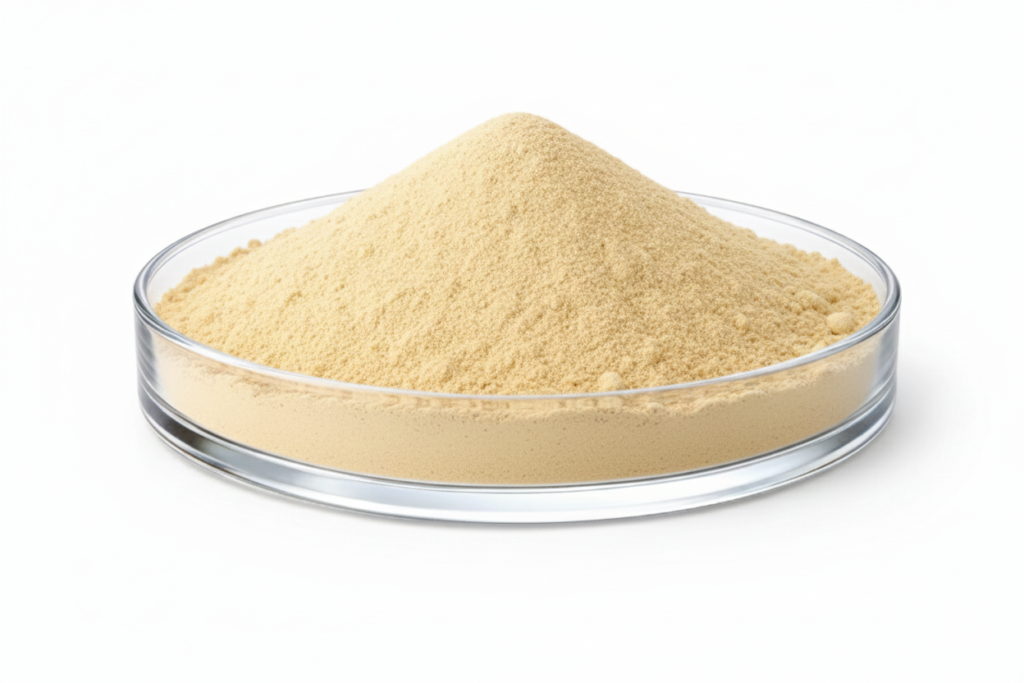
At its core, earthworm protein powder is exactly what the name suggests: a concentrated protein derived from selected earthworm species such as Eisenia foetida. According to compositional analyses, earthworms contain high levels of protein—often exceeding 60–70% on a dry weight basis, with relatively low fat content .
That alone puts it in the same nutritional conversation as many high-protein animal sources. But here’s the difference: its amino acid profile is notably rich in essential amino acids, including lysine and arginine .
For nutraceutical brands targeting:
- Cardiovascular support
- Immune health
- Active aging
- Functional protein supplementation
this profile matters.
And while protein is often discussed as a basic macronutrient, in this case, it’s more than just structural nutrition. It’s the precursor to bioactive peptides with targeted physiological effects.
From Protein to Peptides: Where the Real Magic Happens
If you’re in product development, you already know this: intact protein is valuable, but hydrolyzed protein can be strategic.
Enzymatic hydrolysis—or even autolysis using endogenous enzymes—breaks earthworm protein into smaller peptides. These low-molecular-weight fractions often show stronger bioactivity than the parent protein.
One study demonstrated that autolyzed earthworm protein hydrolysates achieved a high soluble peptide content (77.92%) and showed significant immunomodulatory effects in cyclophosphamide-induced immunosuppressed mice .
Pause there.
That’s not a vague marketing statement. That’s controlled animal model data demonstrating measurable immune-related biomarker improvements.
For supplement brands in the post-pandemic era—where immune positioning remains strong—that’s not trivial.
Cardiovascular Positioning: ACE Inhibitory Peptides and Fibrinolytic Activity
Let’s talk about blood pressure and vascular health.
Hypertension remains one of the largest global health challenges. Research has identified novel ACE inhibitory peptides derived from earthworm protein digestion products . Specific peptides such as SSPLWER demonstrated notable inhibitory activity against ACE enzymes.
That means potential positioning in:
- Blood pressure support formulations
- Cardiovascular functional foods
- Combination vascular blends
But that’s only one angle.
Earthworm-derived lumbrokinase is widely recognized for its fibrinolytic activity—essentially helping break down fibrin involved in clot formation .
Now, to be clear, nutraceutical claims must stay compliant. However, from a formulation perspective, ingredients with fibrinolytic relevance and peptide-based ACE inhibitory potential offer strong positioning in vascular wellness categories.
And yes, formulators know: ingredients that support circulation are perennially in demand.
Antioxidant Potential: Small Peptides, Big Implications
Oxidative stress is a common denominator in aging, inflammation, and metabolic disorders.
Research has identified multiple antioxidant peptides derived from earthworm protein digestion, including sequences such as AFWYGLPCKL and WPWQMSLY, which showed strong radical scavenging capacity .
For brands working on:
- Anti-aging capsules
- Functional beverages
- Skin-support nutraceuticals
- Beauty-from-within formulations
this antioxidant angle creates crossover potential—especially for companies operating in both supplement and cosmetic ingredient supply chains.
Immune Modulation: A Modern Opportunity
The immunomodulatory study cited earlier showed improvements in thymus and spleen indices, cytokine regulation, and gut barrier markers in CTX-induced immunosuppressed mice .
That’s important for two reasons:
- It demonstrates systemic immune relevance.
- It highlights gut-immune axis interaction.
You know what’s trending? Gut-immune positioning.
Earthworm protein hydrolysates may fit nicely into synbiotic blends, protein-immunity hybrids, or postbiotic-adjacent formulations. And since peptides are generally well absorbed compared to intact proteins , bioavailability becomes part of the story.
Manufacturing Matters: Process Defines Quality
Ingredient credibility lives and dies in manufacturing.
Typical earthworm protein production involves:
- Mechanical separation from soil impurities
- Washing and enzymatic hydrolysis
- Centrifugal filtration
- Low-temperature drying
- Pulverization and sterilization
For buyers—especially pharmaceutical or nutraceutical wholesalers—questions always surface:
- Is the process GMP-aligned?
- Are heavy metals monitored?
- What’s the microbial profile?
- Is batch-to-batch peptide content consistent?
Because here’s the reality: innovative ingredients are exciting, but regulatory compliance wins contracts.
Sustainability: The Quiet Competitive Edge
Earthworms play a critical ecological role in soil systems, improving aeration and nutrient cycling .
That ecological relevance translates into something attractive for ESG-focused brands: low-resource animal protein with circular agriculture potential.
Compared to traditional livestock protein:
- Lower land demand
- Lower feed conversion ratios
- Potential integration into organic waste recycling systems
For nutraceutical brands positioning around sustainability, this is not just a side note. It’s strategic.
Application Scenarios for Nutraceutical Brands
Earthworm protein powder and its peptide derivatives can be integrated into:
- Capsules and tablets for cardiovascular support
- Functional protein blends
- Immune-support powders
- Sports recovery formulas
- Functional beverages
- Combination enzyme-peptide complexes
There’s also growing interest in cross-category innovation. For example, antioxidant peptides may extend into nutricosmetic applications.
Some food innovation discussions have already explored incorporating earthworm protein peptides into functional foods and beverages .
Is it mainstream yet? No.
Is it emerging? Absolutely.
A Slight Contradiction (And Why It Makes Sense)
On one hand, earthworm protein powder is a traditional ingredient with roots in historical medicinal use .
On the other hand, it’s being evaluated with modern molecular docking, peptide sequencing, and immunological assays.
That tension—between ancient and advanced—is not a weakness. It’s actually a compelling narrative for brands seeking differentiated storytelling.
Consumers love heritage. Regulators love data. Brands need both.
Looking Ahead: Strategic Positioning in a Competitive Market
The alternative protein market is crowded. Plant proteins dominate headlines. Insect proteins are gaining traction.
Earthworm protein sits in a unique niche:
- High protein density
- Bioactive peptide potential
- Enzyme-derived cardiovascular relevance
- Immunomodulatory positioning
- Sustainability narrative
For manufacturers and wholesalers supplying nutraceutical brands in the U.S., Europe, Southeast Asia, and the Middle East, this ingredient offers white space—less saturation, more differentiation.
It won’t replace whey or soy. It doesn’t need to.
It works best as a targeted functional ingredient.
And sometimes, that’s exactly what formulators are looking for.
FAQ
1. What makes earthworm protein powder suitable for cardiovascular health supplements?
Earthworm protein digestion products contain ACE inhibitory peptides and fibrinolytic enzymes such as lumbrokinase, which are associated with blood pressure regulation and fibrin degradation . This makes it relevant for cardiovascular support formulations.
2. Is earthworm protein hydrolysate more bioavailable than intact protein?
Yes. Hydrolyzed earthworm protein generates low-molecular-weight peptides that are more easily absorbed compared to intact proteins , which may improve functional efficacy in dietary supplements.
3. Can earthworm protein powder be used in immune-support nutraceutical products?
Research on earthworm protein autolysates demonstrated immunomodulatory activity in animal models , supporting its potential inclusion in immune-support supplement formulations.
4. How is earthworm protein powder manufactured for nutraceutical use?
Production typically includes mechanical separation, washing, enzymatic hydrolysis, centrifugation, low-temperature drying, and sterilization to ensure purity and safety .
5. Is earthworm protein considered a sustainable alternative protein ingredient?
Earthworms contribute to soil health and nutrient cycling , and cultivation systems can integrate into circular agricultural models, making earthworm protein an environmentally attractive nutraceutical ingredient option.
If you’re a supplement manufacturer or ingredient distributor exploring differentiated bioactive protein sources, earthworm protein powder isn’t just another novelty. It’s a scientifically supported, multifunctional raw material with genuine formulation flexibility.
And sometimes, the most unexpected ingredients are the ones that move markets quietly—but steadily.