If you’ve started sourcing earthworm protein powder, you’ve probably noticed one thing fast: MOQ is never “just a number.”
A supplier may quote 1 kg, 5 kg, 25 kg, or something much higher, and at first glance it can feel arbitrary. But it usually isn’t. MOQ is tied to raw material handling, batch production, testing cost, packaging format, and how customized your order is. In other words, MOQ tells you quite a lot about how a supplier actually runs their business.
And honestly, that matters.
For buyers in dietary supplements, nutraceutical ingredients, functional health products, pharmaceutical raw materials, and even certain cosmetic or specialty formulation projects, understanding MOQ helps you avoid the two classic mistakes: ordering too little and paying too much, or ordering too much before the product and supplier are fully validated.
So let me explain what MOQ usually looks like for earthworm protein powder suppliers, what drives it, and how to judge whether a quoted minimum is reasonable or a warning sign.
What MOQ means here — and why it matters more than people think
MOQ, or minimum order quantity, is the smallest order size a supplier is willing to produce or sell under a given specification.
Simple enough. But in the earthworm protein powder business, MOQ often reflects more than inventory policy. It can reflect the supplier’s upstream control, processing method, and commercial model.
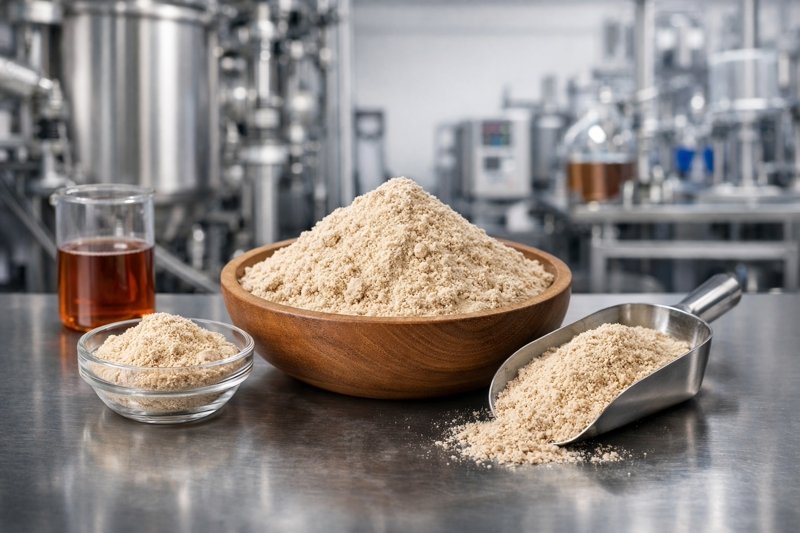
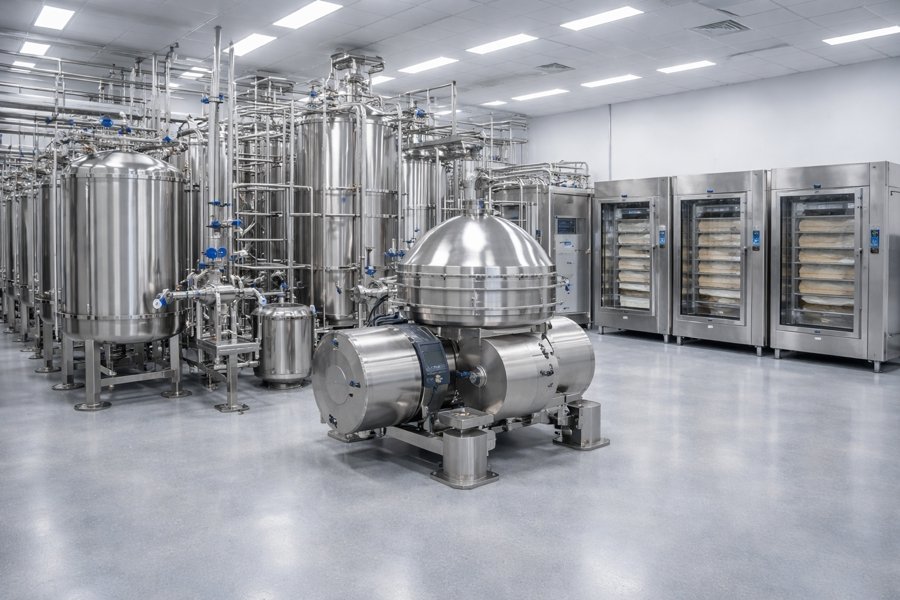
Earthworm protein powder is typically manufactured through a controlled process that includes raw material selection, cleaning, separation, hydrolysis or enzymatic processing, filtration, low-temperature drying, milling, sterilization, and packaging. That kind of process is not casual, and it is not cheap to restart for tiny customized lots.
This is why MOQ becomes a real commercial signal. A very low MOQ can be helpful for sampling and pilot projects, but it can also suggest the supplier is reselling standard stock rather than controlling production. A higher MOQ may seem inconvenient, yet sometimes it points to stronger batch consistency and factory-based supply.
That’s the contradiction. Low MOQ sounds flexible. Higher MOQ sometimes means a more serious manufacturer. Both can be true.
Why earthworm protein powder suppliers set MOQs
Suppliers do not usually create MOQs to make life difficult. They set them because small orders can become disproportionately expensive.
Here’s what sits behind that number.
1. Raw material preparation is batch-based
Earthworm protein powder comes from selected earthworm raw material that must go through cleaning, separation, filtration, drying, and downstream handling. The production flow itself is continuous and process-oriented, not something most factories want to interrupt for a tiny custom run.
If a buyer wants only a very small amount, the supplier may still need to use the same equipment, labor, sanitation steps, and documentation workload required for a much larger batch. So the MOQ protects production efficiency.
2. Testing cost does not shrink much with order size
For B2B buyers, one of the hidden cost drivers is testing. A serious earthworm protein powder order may involve protein content checks, moisture, ash, heavy metals, and microbiological indicators such as aerobic plate count, yeast and mold, coliforms, Salmonella, and Staphylococcus aureus. Those are typical quality points shown in earthworm protein product materials.
Whether you buy 2 kg or 200 kg, the supplier may still need to issue batch documentation or support COA-related work. That makes tiny orders less economical.
3. Packaging format changes the economics
Bulk ingredient supply is one thing. Retail-ready packs are another story.
A standard bulk order packed in 1 kg bags or 10 kg cartons is much easier to support than a custom-branded, smaller-format project. Existing product material for earthworm protein powder already shows standard industrial packaging formats such as 1.5kg per bag and 9kg per carton.
Once a buyer asks for private label, multilingual labels, custom cartons, foil pouches, or market-specific compliance text, the MOQ usually climbs. No surprise there.
4. Customized specs raise the floor
Not every buyer wants the same thing. Some need a standard protein powder. Others want a tighter protein percentage, specific mesh size, tailored color range, low moisture, different microbial thresholds, or custom documentation support.
That changes the deal.
A standard stock specification can often support a lower MOQ. A customized spec usually requires a larger commitment because the supplier takes on extra process control and more commercial risk.
So, what is a “normal” MOQ?
There is no single universal MOQ for earthworm protein powder suppliers, but in practice, B2B buyers often see four common layers.
Sample MOQ: 100 g to 1 kg
This is usually for evaluation, not production.
At this stage, the goal is simple: check appearance, smell, handling, solubility behavior, preliminary lab fit, and maybe initial spec verification. Some suppliers also offer a free or low-cost sample policy for this step, especially when they want to convert serious B2B leads.
This stage is not the real MOQ. It is more like the pre-MOQ stage.
Trial MOQ: 1 kg to 5 kg
This is common when a buyer is doing bench tests, R&D screening, or early prototype work.
A small trial quantity makes sense if you are still checking compatibility in protein blends, capsules, tablets, powder sachets, or functional nutrition systems. It also helps when the buyer’s downstream lab wants to run identity, heavy metal, or microbiology checks before scale-up.
Standard bulk MOQ: 10 kg to 25 kg
This is often the practical entry point for real B2B purchasing.
Why? Because once you move beyond sampling, freight efficiency, packaging labor, and lot handling start to matter. Many ingredient buyers find that a 10 kg or 25 kg purchase is enough to run pilot production, stability observation, and customer-side qualification without overcommitting.
For a supplier, this range is usually far more manageable than micro-orders.
Custom or OEM-oriented MOQ: 25 kg and up
When the project includes custom packaging, special documentation, tailored specification, or recurring production scheduling, MOQ generally goes higher.
That is especially true for buyers who want the product integrated into a branded supplement line or need a specification that differs from the supplier’s standard catalog offer.
What can make the MOQ go up or down?
This is where procurement gets a bit more interesting.
Lower MOQ is more likely when:
- You accept the supplier’s standard specification
- You buy unbranded bulk material
- You do not request unusual documents or custom testing
- The supplier already keeps the item in regular production
- You are building toward repeat orders, not treating it like a one-off inquiry
Higher MOQ is more likely when:
- You want a custom protein content or tailored appearance
- You require special packaging or private label support
- You ask for extra test items beyond the normal COA set
- You need market-specific compliance preparation
- The order is being shipped to a destination with stricter import or documentation demands
It’s a bit like booking a factory line the way you’d book a container. The more standard the job, the easier it is to keep the threshold low.
MOQ is not only about cost — it is also about supply risk
This is where many buyers get caught.
They focus on getting the lowest MOQ possible, but forget to ask whether the supplier can maintain that flexibility over time.
Earthworm protein powder sourcing depends on raw material stability, controlled production, and batch consistency. Earthworm-based products are valued because earthworms are protein-rich, with reported dry matter protein content often around 60% to over 70% in research and industry materials, and because earthworm-derived ingredients are being studied for broad functional potential.
That sounds promising, and it is. But promising ingredients still need disciplined supply management.
A supplier offering a super-low MOQ today but struggling with batch-to-batch consistency later is not doing you any favors. For long-term programs, a slightly higher MOQ from a more stable manufacturer may actually reduce commercial risk.

How buyers should evaluate MOQ offers
Here’s the thing: MOQ should never be judged in isolation.
When a supplier quotes an MOQ, ask yourself these questions.
Is the MOQ tied to standard stock or fresh production?
That tells you whether the supplier is moving existing inventory or planning a dedicated batch.
Does the MOQ include normal testing and COA support?
Sometimes a low MOQ looks attractive until you discover documentation costs are added later.
What packaging is included?
Bulk inner bag plus export carton is very different from retail-oriented presentation.
Is the MOQ the same for repeat orders?
A first order and a repeat order are not always priced or structured the same way. Some suppliers relax MOQ after buyer qualification.
Does the quoted MOQ match your actual project phase?
R&D, pilot production, and commercial launch are different stages. Your MOQ should match the stage, not your ambition alone.
Smart ways to negotiate a better MOQ
You do not always need to “push harder.” Sometimes you just need to structure the conversation better.
Start with a staged buying plan
Instead of asking for the lowest possible MOQ out of the gate, propose a path like this:
sample → trial lot → pilot order → regular bulk order
Suppliers are often more open to flexibility when they see commercial intent rather than bargain hunting.
Accept standard spec first
If you are still validating the ingredient, do not complicate the deal with customization too early. Standard specification almost always makes a lower MOQ easier.
Combine MOQ with repeat-order potential
Factories care about continuity. If your expected quarterly usage looks credible, mention it. Even roughly. That can change the supplier’s attitude fast.
Ask whether mixed shipments are possible
Sometimes the supplier may not lower MOQ on one SKU, but may allow you to combine products in one shipment. For example, some buyers source earthworm protein powder, earthworm peptide powder, or related enzyme-based ingredients together as part of a broader earthworm-derived product line. Product materials in your file set clearly position these categories for different formulation uses.
That can improve freight efficiency without forcing one oversized order.
Be direct about your application
A supplement manufacturer, ingredient wholesaler, and pharma-adjacent R&D buyer do not buy the same way. A supplier will often set a more realistic MOQ if they understand your use case clearly.
Red flags hidden behind MOQ quotes
Not every MOQ problem is obvious.
Watch for these:
A supplier gives a very low MOQ but cannot clearly explain the production process.
A supplier offers “any quantity” but has vague answers on batch testing, storage, or lead time.
A supplier pushes a high MOQ while refusing to provide core spec details.
A supplier changes MOQ dramatically after you request documentation.
A supplier cannot explain whether the quoted product is standard earthworm protein powder, hydrolyzed protein, peptide-rich material, or an enzyme-oriented derivative.
That last one matters more than people think. Earthworm-derived ingredients can overlap in marketing language, but they are not the same product. Earthworm protein powder, earthworm peptide powder, and lumbrokinase-related materials serve different formulation roles and should not be treated as interchangeable.
A practical MOQ strategy for first-time buyers
For most new B2B buyers, a sensible approach looks like this:
Start with a small sample for technical review.
Move to a controlled trial lot for internal validation.
Use a moderate pilot MOQ before discussing custom packaging.
Only scale after the supplier proves consistency, documentation quality, and delivery reliability.
Not flashy, I know. But it works.
And honestly, in ingredient sourcing, boring can be beautiful.
Final thought
Minimum order quantity for earthworm protein powder suppliers is really a negotiation between production reality and buyer risk.
Too low, and the economics may be shaky. Too high, and your exposure becomes unnecessary. The right MOQ is the one that fits your stage, your specification, and your confidence in the supplier.
So don’t treat MOQ as a number to fight over blindly. Treat it as part of supplier evaluation.
A good supplier should be able to explain the MOQ clearly, connect it to process and packaging, and offer a reasonable path from sample to scale. If they can do that, you’re probably dealing with a partner, not just a seller.
More Information
- Earthworm Protein Powder
- How to Choose a Reliable Earthworm Protein Powder Manufacturer
- Key Specifications to Look for When Sourcing Earthworm Protein Powder
- Earthworm Protein Powder Wholesale: Pricing Factors Explained
- Where to Buy Earthworm Protein Powder in Bulk for B2B Use
FAQs
1. What is the typical minimum order quantity for earthworm protein powder suppliers?
Typical MOQ for earthworm protein powder suppliers depends on whether you need a sample, trial lot, or bulk production order. Sample quantities may start from 100 grams, while standard B2B bulk MOQ often begins around 25 kg to 100 kg for regular supply.
2. Can I buy earthworm protein powder in small quantities for product testing?
Yes. Many earthworm protein powder manufacturers support small test orders for R&D, formulation screening, and lab evaluation. These are usually sample or trial quantities and may not reflect the supplier’s normal commercial MOQ for repeat bulk orders.
3. Why do custom specifications increase the MOQ for earthworm protein powder?
Custom specifications increase MOQ because they may require separate production scheduling, extra testing, non-standard packaging, and tighter process control. For buyers sourcing customized earthworm protein powder for nutraceutical or pharmaceutical use, the minimum order quantity is usually higher than for standard stock.
4. Is a lower MOQ always better when choosing an earthworm protein powder supplier?
Not necessarily. A lower MOQ can help with early-stage testing, but it does not always mean better value or better supply reliability. Buyers should compare MOQ together with batch consistency, COA support, packaging, lead time, and the supplier’s actual manufacturing capability.
5. How can I negotiate a better MOQ with an earthworm protein powder manufacturer?
The best way is to present a phased purchasing plan, accept standard specifications first, and show realistic repeat-order potential. Many suppliers are more willing to offer flexible MOQ terms when they see a serious long-term sourcing opportunity rather than a one-time inquiry.
Start Sourcing Premium Protein Today
Contact us for bulk earthworm protein supply
One comment on “Minimum Order Quantity (MOQ) for Earthworm Protein Powder Suppliers”
Comments are closed.