Before we get into the fun stuff, here’s a quick skeleton so the logic stays tidy (and you can jump around like a busy formulator).
Outline
- Why product developers keep putting earthworm protein on the short list
- What “functional” really means here (beyond basic protein)
- Benefit cluster #1: antioxidant protection (and why peptides matter)
- Benefit cluster #2: blood-pressure support potential via ACE-inhibitory peptides
- Benefit cluster #3: immunomodulatory potential (with a gut-angle)
- Benefit cluster #4: multipurpose bioactives in earthworm extracts (pharma + topical thinking)
- Formulation realities: taste, solubility, stability, dosage forms
- Quality & spec strategy: what buyers will ask you to prove
- Application ideas: supplements, functional foods, pharma R&D, cosmetics
- FAQs (5)
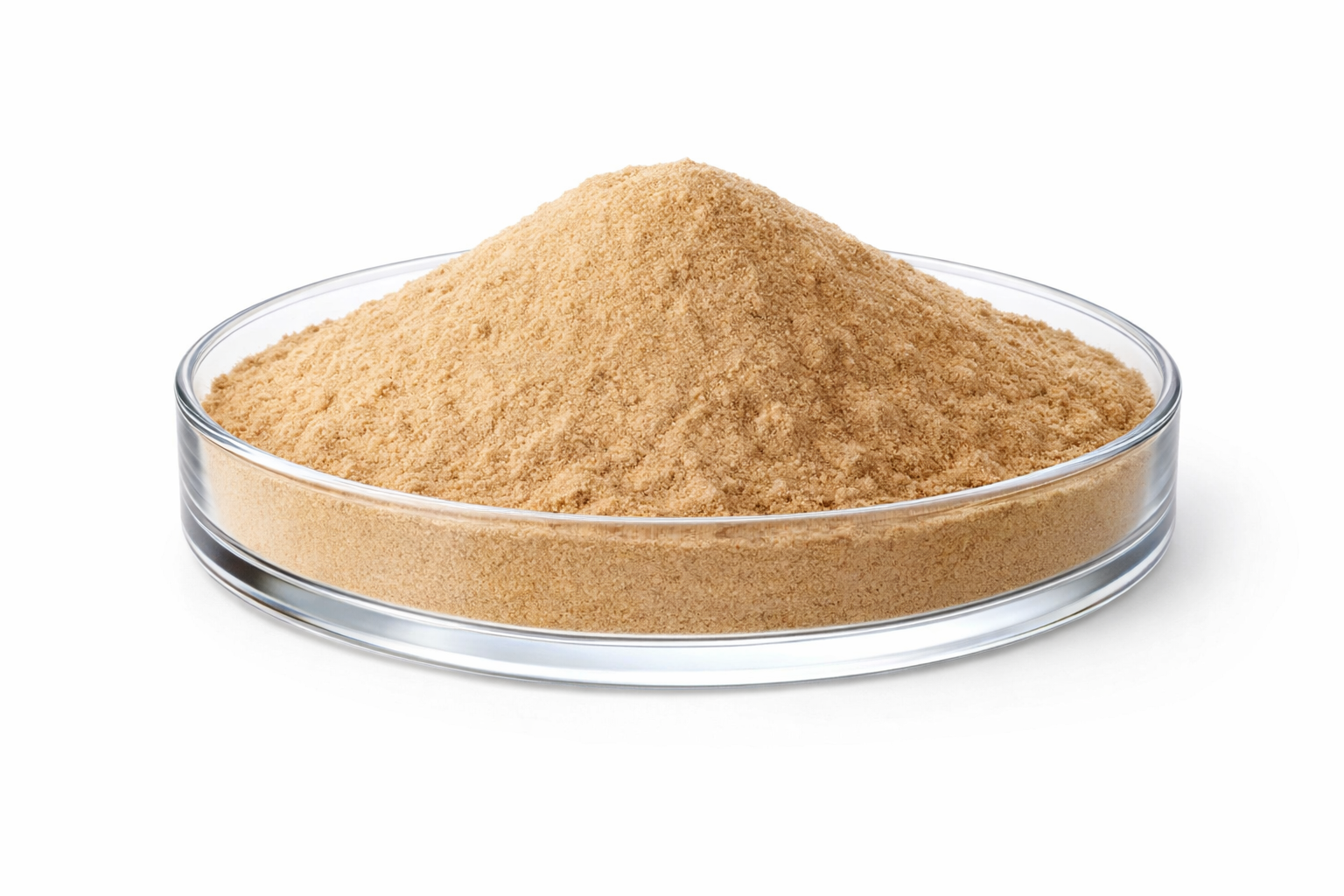
Why developers keep circling back to earthworm protein powder
If you develop functional products for a living, you know the feeling: you want something that’s credible, differentiated, and workable in manufacturing—not just a pretty story on a label.
Earthworm protein powder has a surprisingly practical pitch:
- It’s a high-protein raw material (earthworms are reported as protein-rich in research contexts).
- It’s not only “protein”; it’s a source of bioactive peptides that can show measurable activities after digestion or controlled hydrolysis.
- There’s growing scientific work mapping which peptides do what, rather than waving hands at “traditional use.” (That matters a lot when your customer is a brand, a regulatory team, or a pharmaceutical R&D buyer.)
And yes—there’s still a “novel ingredient” vibe. That can be a sales advantage or a development headache, depending on your market. More on that later.
What “functional” means here (not just macros)
When product developers say “functional benefits,” we usually mean a measurable biological activity that can be connected to:
- a known mechanism (even if early-stage),
- a repeatable assay, and
- a consistent spec (so you can scale and still hit the target).
For earthworm protein powder, the functional story often comes from peptides generated by:
- simulated gastrointestinal digestion in research models, or
- enzymatic hydrolysis/autolysis strategies used to enrich small peptides.
A key point from the literature: digestion-derived earthworm protein hydrolysates produced thousands of peptide sequences, and specific peptides were screened and validated for antioxidant effects.
So, the “functional” part is less about the intact protein acting like a drug, and more about the peptide fraction that can be developed into a consistent ingredient.
Benefit cluster 1: Antioxidant support that isn’t just marketing fluff
Oxidative stress is the umbrella term everyone uses because it connects to so many product categories—beauty-from-within, healthy aging, cardio support, sports recovery, even “daily wellness.”
The interesting bit: research on earthworm proteins shows that gastrointestinal digestion products demonstrated antioxidant activity, and researchers isolated specific peptides that performed strongly in antioxidant assays.
Three standout peptide sequences reported with strong antioxidant activity include:
- AFWYGLPCKL
- WPWQMSLY
- GCFRYACGAFY
Why this matters for developers
Because it suggests a pathway to a standardized antioxidant ingredient:
- You can define a peptide-rich fraction (instead of vague “extract”).
- You can build specs around:
- peptide content,
- molecular weight distribution (small peptides often behave differently in solubility and absorption), and
- activity assays (ABTS, ORAC, etc., depending on your product category and claims strategy).
A small, honest contradiction (that you’ll recognize)
Antioxidant assays are everywhere, but they can be messy. For example, some samples look “okay” in one radical scavenging model and better in another—because assay chemistry favors different kinds of molecules. Developers know this pain.
So the smarter approach is: pick the assay that matches your positioning (and your compliance team’s comfort level), then standardize to it.
Benefit cluster 2: Blood-pressure support potential (ACE inhibition)
If you’ve built or sourced a cardio-support ingredient, you’ve definitely heard of ACE inhibitory peptides. They’re a classic mechanism: ACE helps generate angiotensin II (vasoconstriction) and degrades bradykinin; inhibiting ACE is a known pathway used by pharmaceutical drugs—though drug-like claims are a different conversation entirely.
What’s relevant for product developers is the evidence that earthworm protein digestion products can yield novel ACE-inhibitory peptides, with specific sequences identified and tested in vitro.
In one study, researchers identified seven novel ACE inhibitory peptides (examples include SSPLWER and RFFGP), and the two most active peptides acted as competitive inhibitors in enzyme kinetics assays.
Developer takeaway
This is the kind of science that helps you answer buyer questions like:
- “Is there a plausible mechanism, or is this just folklore?”
- “Can you point to defined actives and not just ‘protein’?”
- “Do you have a pathway for standardizing potency?”
You don’t need to promise outcomes. You just need a defensible technical rationale, plus a clean compliance line:
Supports healthy blood pressure already within the normal range
…where permitted, and only with appropriate substantiation and regulatory review.
Benefit cluster 3: Immunomodulatory potential (with a gut-health twist)
Immune support products are crowded. Everyone says “supports immunity.” Buyers now ask: “Okay… how?”
Research on earthworm protein autolysates looked at immunomodulatory effects in a cyclophosphamide-induced immunosuppressed mouse model, reporting that the autolysate helped improve immunosuppression outcomes and intestinal inflammation markers in that model.
It also identified peptide sequences and highlighted a top-scoring peptide (reported as WNWLLPLMLG) with immunomodulatory activity validated in a macrophage model.
Why product developers care
This is useful for:
- immune + gut positioning (especially if your customer wants a more “systems” story),
- functional food concepts that lean on digestive processing (hydrolysate/peptide fractions),
- and early-stage R&D pipelines in pharma-adjacent settings.
Also, from a practical angle: “autolysis” as a preparation method can be attractive because it uses endogenous enzymes—though scaling and controlling it is its own art.
Benefit cluster 4: Multi-bioactive platform potential (pharma and topical thinking)
If you’re developing ingredients for pharmaceutical pipelines or dermocosmetic suppliers, you’re often less interested in one single claim and more interested in a platform: “What’s in here, mechanistically, and where could it fit?”
A comprehensive review of earthworm extracts summarizes multiple bioactive components (e.g., lumbrokinase, antimicrobial peptides, other proteins) and discusses reported activities across antithrombotic, anti-inflammatory, antioxidant, wound-healing, and more—based on in vitro and in vivo literature.
This doesn’t mean every commercial powder will deliver every effect. But it does support the idea that earthworm-derived materials can be developed into:
- enzyme-focused ingredients (like fibrinolytic enzyme products),
- peptide-focused ingredients (antioxidant, ACE inhibition, immunomodulation),
- and topical “bioactive extract” concepts (where cosmetic suppliers care about positioning like skin aging and repair—again, with appropriate compliance).
Formulation realities (because you still have to ship a stable product)
Let me say the quiet part out loud: even the best bioactive ingredient fails if it’s a nightmare in processing.
Here are the usual developer checkpoints for earthworm protein powder (or peptide-rich fractions):
1) Sensory and odor management
Animal-derived proteins can bring aroma notes that need masking. If you’re building:
- gummies, ready-to-mix powders, or stick packs
…plan for flavor systems early, not at the end when everyone’s tired.
2) Solubility and dispersion
If you’re using a peptide-rich hydrolysate, solubility is often better than intact proteins, but it depends on:
- peptide size distribution,
- mineral content,
- and processing conditions.
3) Stability
Peptides can be sensitive to:
- moisture, heat, and pH,
- Maillard-type browning in sugar-heavy matrices,
- and interactions with polyphenols or metal ions.
If you want a quick internal jump: Go to the stability checklist.
4) Dosage form fit
- Capsules/tablets: simplest, but watch flowability and compression behavior.
- RTD beverages: toughest (taste + stability + solubility).
- Cosmetic raw materials: you’ll likely need additional compatibility testing (preservatives, surfactants, pH).
Quality & spec strategy (the questions buyers will ask)
B2B buyers—especially in nutraceutical ingredient, pharma ingredient, and cosmetics supply chains—tend to ask the same “prove it” questions.
A sensible spec framework includes:
- Identity: species/source traceability + method of processing
- Protein content (and/or peptide content if hydrolysate)
- Molecular weight distribution (especially if you’re positioning “small peptides”)
- Key activity assays aligned with your positioning
- antioxidant assays if you’re selling “antioxidant support”
- ACE inhibition assays if you’re selling “cardio support potential”
- Contaminant controls: microbial limits, heavy metals, and process residues (your internal QA/QC already lives here)
And honestly? If you’re selling into serious manufacturing clients, you’ll also want a clean story for:
- batch-to-batch consistency,
- stability data in typical storage conditions,
- and documentation readiness (COA, spec sheet, SDS, allergen statements).
Application ideas for product developers (where this ingredient can actually fit)
Here are some realistic use-cases that align with the science and typical buyer behavior:
Dietary supplement brands
- Antioxidant support blends (often paired with vitamins/minerals and plant antioxidants)
- Cardio-support formulas using peptide positioning (with careful claims wording)
- Immune + gut concepts (especially if the peptide fraction is the hero)
Nutraceutical ingredient suppliers / wholesalers
- A standardized peptide fraction as an “active ingredient” SKU
- Multiple grades: “high protein” vs “high peptide” (different markets, different price points)
Pharmaceutical ingredient and R&D channels
- Defined peptide sequences and enzyme fractions are the kind of starting point R&D teams like to screen
- The ACE inhibitory peptide research, in particular, gives a mechanism-forward entry point.
Cosmetics suppliers and manufacturers
- “Bioactive protein/peptide extract” positioning (topical concepts often want antioxidant + repair narratives)
- You’ll still need safety substantiation and compatibility testing; the review literature helps map the ingredient landscape.
Image ideas you can use in the post (with alt text)
- Image concept: “From protein to peptides” flow diagram (raw material → extraction → hydrolysis → peptide fraction → application formats)
- Alt text: Flowchart showing how earthworm protein powder can be processed into peptide-rich fractions for supplements, functional foods, and cosmetic ingredients.
- Image concept: “Functional benefits map” (antioxidant, ACE inhibition, immune modulation) with arrows pointing to product formats
- Alt text: Infographic mapping earthworm protein-derived peptides to antioxidant activity, ACE inhibition potential, and immunomodulatory research signals, with example finished products.
Stability checklist
If you’re doing a real product brief, you’ll want to validate:
- Water activity targets in your finished format
- pH range compatibility (especially beverages and gummies)
- Heat tolerance (spray drying, pasteurization, hot-fill)
- Interaction with minerals (iron, zinc) and polyphenols
- Packaging oxygen barrier needs
- Shelf-life assay plan (activity + sensory + micro)
And yes—this is where most “cool ingredients” quietly die. Better to know early.
FAQs
1) What are the most relevant functional benefits of earthworm protein powder for supplement product developers?
The most developer-relevant benefits are antioxidant activity signals, ACE inhibitory peptide potential, and immunomodulatory research signals, especially when you work with peptide-rich fractions rather than only intact protein.
2) Is earthworm protein powder better positioned as a protein, or as a peptide ingredient?
For many functional concepts, it’s easier to position as a peptide-rich functional ingredient, because research identifies specific peptides with defined activities after digestion/hydrolysis.
3) What long-tail keyword claims are safest when formulating with earthworm-derived peptides?
Common safer directions (jurisdiction-dependent) include phrases like “supports antioxidant defenses” or “supports cardiovascular health”—while avoiding disease claims. For blood-pressure-adjacent positioning, tie language to normal-range support and align with your regulatory review, since ACE inhibition is a drug-associated mechanism.
4) What quality specs should wholesalers request for earthworm peptide or protein powders?
Ask for protein/peptide content, molecular weight distribution (if peptides), contaminant limits, and an activity assay aligned to positioning (e.g., antioxidant or ACE inhibition) plus batch-to-batch consistency documentation.
5) Can earthworm protein powder be used as a pharmaceutical ingredient starting point?
It can be a useful screening starting material because published studies identify defined bioactive peptides (e.g., ACE inhibitory peptides and antioxidant peptides) and discuss broader bioactive components in earthworm extracts, which helps R&D teams map mechanisms and fractionation strategies.