Outline
- Introduction
- Why earthworm protein is entering pharmaceutical discussions
- Shift from traditional use to standardized formulations
- Understanding Earthworm Protein in a Pharmaceutical Context
- Protein vs peptide vs enzyme (brief clarification)
- Bioactive fractions relevant to drug formulation
- Cardiovascular Formulations
- ACE-inhibitory peptides
- Fibrinolytic enzymes (lumbrokinase)
- Thrombolytic and antihypertensive support
- Immunomodulatory Applications
- CTX-induced immunosuppression model findings
- Potential in adjunct immune therapies
- Anti-inflammatory and Antioxidant Roles
- Oxidative stress pathways
- Inflammatory mediator regulation
- Drug Delivery & Formulation Advantages
- Small peptide absorption
- Stability considerations
- Oral dosage forms
- Production & Standardization
- Raw material selection
- Extraction and hydrolysis
- GMP and quality control
- Emerging Pharmaceutical Opportunities
- Oncology support
- Wound healing
- Microcirculation
- Conclusion
- FAQs
From Soil to Science: Why Pharma Is Paying Attention
Earthworms have been part of traditional medicine for centuries. In Chinese pharmacopeia, “Di Long” has long been associated with circulation support and inflammation relief. But here’s the thing—modern pharmaceutical research isn’t interested in folklore. It wants mechanisms, molecular weight ranges, bioactivity data, and reproducible outcomes.
And that’s exactly where earthworm protein powder enters the conversation.
With protein content often exceeding 60–70% in dry matter , earthworm-derived materials are rich in enzymes, short peptides, and biologically active protein fractions. Once standardized and purified, these fractions become candidates for pharmaceutical formulations targeting cardiovascular health, immune modulation, inflammation, and even adjunct oncology support.
Let’s break it down properly.
Protein, Peptide, or Enzyme? A Quick Clarification
Before we move forward, it helps to clear up a common confusion.
Earthworm protein powder is not just “protein” in the nutritional sense. It’s a source material. Through enzymatic hydrolysis or autolysis, large proteins are broken down into smaller peptides, which often exhibit stronger bioactivity and better absorption characteristics .
And then there’s lumbrokinase—an enzyme complex extracted from earthworms known for its fibrinolytic activity .
So in pharmaceutical terms, we’re really talking about:
- Bioactive peptides (ACE inhibitory, antioxidant, immunomodulatory)
- Fibrinolytic enzymes (lumbrokinase)
- Complex protein hydrolysates with systemic activity
That distinction matters when designing formulations.
Cardiovascular Formulations: The Most Established Application
If we’re being honest, cardiovascular support is where earthworm protein derivatives have gained the most traction.
1. ACE-Inhibitory Peptide Formulations
Recent research identified multiple novel ACE inhibitory peptides derived from earthworm protein after simulated gastrointestinal digestion . Among them, SSPLWER demonstrated particularly strong inhibitory activity.
Why is this important?
ACE inhibition is a core mechanism in managing hypertension. Pharmaceutical developers are increasingly exploring naturally derived peptides as complementary or alternative therapeutic ingredients.
In practical formulation terms, these peptides may be incorporated into:
- Oral capsules
- Sustained-release tablets
- Combination cardiovascular support formulations
The advantage? Small molecular weight peptides (<3 kDa fractions) show enhanced activity and absorption potential .
And yes, that matters for bioavailability.
2. Fibrinolytic Enzyme Preparations
Lumbrokinase has been studied for:
- Coronary heart disease support
- Thrombus dissolution
- Deep vein thrombosis adjunct therapy
Its mechanism centers on fibrin degradation. In simple terms, it acts like molecular scissors targeting fibrin networks in clots.
Pharmaceutical formulations typically include:
- Enteric-coated capsules (to protect enzyme activity)
- Combined anti-platelet adjunct formulations
- Controlled-release systems
Because enzyme stability is sensitive to temperature and pH, formulation strategy becomes critical. More on that shortly.
Immunomodulatory Applications: A Growing Frontier
Here’s where things get interesting.
In a CTX-induced immunosuppressed mouse model, earthworm protein autolysates significantly improved immune organ indices and cytokine balance .
Specifically:
- Degree of hydrolysis reached 22.38%
- Soluble peptide content approached 77.92%
One peptide sequence (WNWLLPLMLG) showed strong immunomodulatory activity in macrophage models .
For pharmaceutical developers, this opens doors to:
- Immune-support adjunct therapies
- Post-chemotherapy immune recovery support
- Gut-immune barrier formulations
Now, is it a standalone immunotherapy? No. But as part of a broader immune-support formulation, the data are compelling.
Antioxidant and Anti-Inflammatory Roles
Oxidative stress plays a central role in chronic disease progression.
Earthworm protein-derived peptides demonstrated significant free radical scavenging activity in antioxidant models . Several peptides showed strong DPPH and ABTS radical clearance effects.
Additionally, earthworm protein peptides have been reported to regulate inflammatory mediators such as TNF-α and IL-6 .
In pharmaceutical formulation development, this supports applications in:
- Chronic inflammation adjunct therapy
- Vascular inflammation support
- Recovery-stage supportive medications
Honestly, oxidative stress modulation is one of those areas where small peptides shine quietly but effectively.
Production Matters: Standardization Is Everything
Let’s talk manufacturing. Because without process control, none of this works.
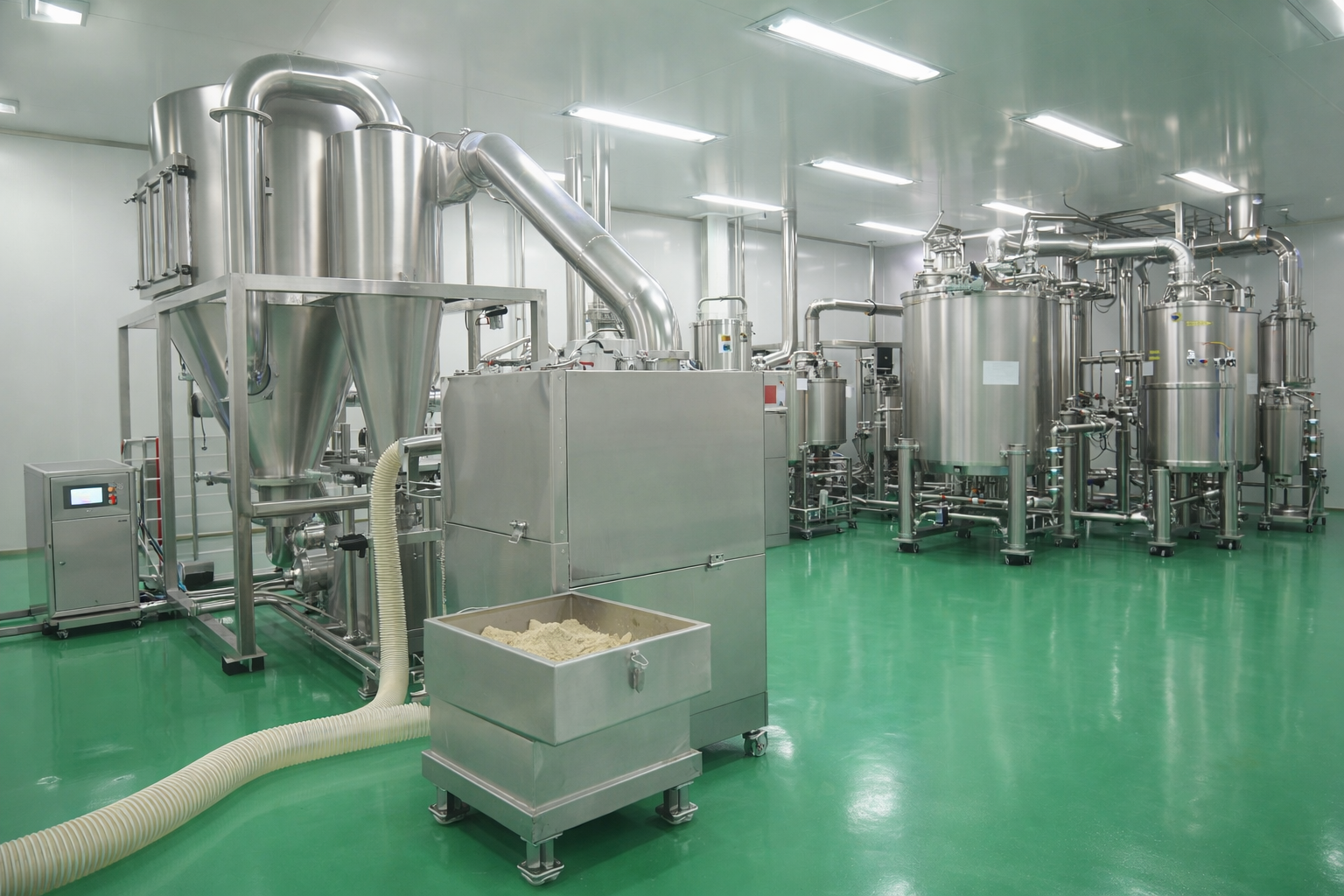
According to documented production processes, earthworm protein powder involves:
- Mechanical separation
- Washing and hydrolysis
- Centrifugal filtration
- Low-temperature drying
- Sterilization and packaging
Raw material selection often includes specific species such as Eisenia foetida variants .
Pharmaceutical-grade material must address:
- Heavy metal limits
- Microbial control
- Enzyme activity retention
- Peptide molecular weight profiling
That’s not optional. It’s regulatory necessity.
Formulation Challenges (And How They’re Solved)
You might ask—if these compounds are so promising, why aren’t they everywhere in mainstream pharmaceuticals?
Three reasons:
- Stability – Enzymes are sensitive. Enteric coating and cold-chain logistics help.
- Standardization – Peptide profiles must remain consistent batch to batch.
- Regulatory Classification – Depending on jurisdiction, products may fall under nutraceutical, OTC, or pharmaceutical categories.
Still, advances in spray drying, freeze drying, and encapsulation technology are steadily addressing these issues.
Emerging Areas: Oncology & Wound Healing
Some literature points toward potential anti-tumor and immune-support properties . While early-stage, these findings suggest possible roles as adjunct therapy.
Additionally, fibrinolytic and circulation-enhancing effects may support wound healing applications .
No exaggeration here. These are supportive roles—not replacements for primary therapies. But in pharmaceutical development, adjunct ingredients often make a meaningful difference.
Sustainability Adds Another Layer
Interestingly, earthworms are not just bioactive reservoirs—they’re also sustainable protein sources . High protein yield, relatively low environmental footprint, and established breeding systems make supply chain scaling feasible.
For pharmaceutical ingredient manufacturers, supply reliability is not a side issue. It’s foundational.
Where This Is Heading
We’re seeing a shift.
Not from synthetic to “natural” in a simplistic way. But toward biologically functional molecules that complement existing therapies.
Earthworm protein powder, once standardized and fractionated, provides:
- ACE inhibitory peptides
- Fibrinolytic enzymes
- Immunomodulatory peptides
- Antioxidant fractions
In pharmaceutical formulation terms, that means versatility.
And versatility, in drug development, is valuable.
FAQs
1. How is earthworm protein powder incorporated into pharmaceutical dosage forms?
Earthworm protein powder is typically processed into purified peptides or enzyme fractions, then formulated into enteric-coated capsules, tablets, or controlled-release systems to protect bioactivity and enhance gastrointestinal stability.
2. What role do earthworm-derived ACE inhibitory peptides play in antihypertensive formulations?
Earthworm-derived ACE inhibitory peptides can competitively inhibit ACE activity, potentially supporting blood pressure regulation when used in adjunct antihypertensive pharmaceutical formulations .
3. Is lumbrokinase from earthworm protein used clinically?
Lumbrokinase, a fibrinolytic enzyme complex derived from earthworms, has been applied in cardiovascular and thrombolytic support contexts , though regulatory status varies by country.
4. Can earthworm protein hydrolysates support immune recovery after chemotherapy?
Animal studies using CTX-induced immunosuppressed models suggest earthworm protein autolysates may help modulate immune responses and restore immune organ indices .
5. What are the quality control considerations for pharmaceutical-grade earthworm protein powder?
Key considerations include species identification, peptide molecular weight profiling, enzyme activity verification, microbial control, heavy metal testing, and controlled hydrolysis processes .
If you’re a pharmaceutical ingredient manufacturer or formulation developer evaluating novel bioactive protein sources, earthworm-derived peptides and enzymes deserve a closer look. Not because they’re trendy. But because the mechanistic data are steadily stacking up.