
- Introduction: Why earthworm protein powder is moving from curiosity to serious functional ingredient
- From Soil to Science: Nutritional density and bioactive potential
- Peptides That Matter: ACE-inhibitory innovation and cardiovascular positioning
- Beyond Blood Pressure: Antioxidant and immunomodulatory applications
- Enzymes in Focus: Lumbrokinase and fibrinolytic relevance
- Processing Precision: Manufacturing workflow and ingredient standardization
- Functional Ingredient Innovation: Applications in nutraceuticals, pharma, and cosmeceuticals
- Sustainability Angle: Earthworm protein as an alternative protein platform
- Future Directions: R&D, formulation science, and market positioning
- FAQs
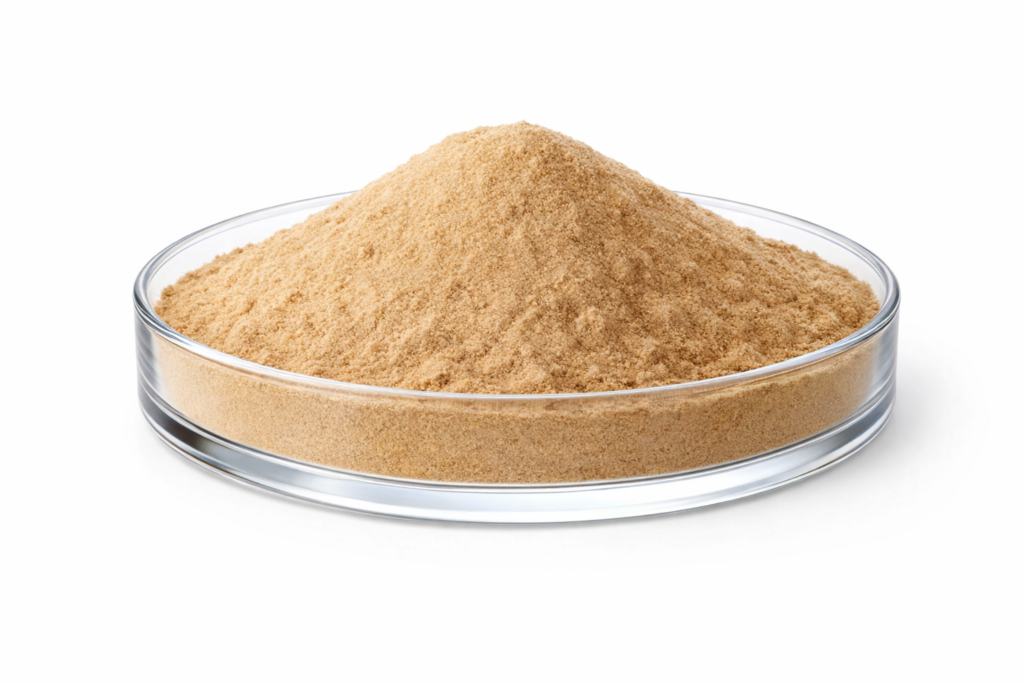
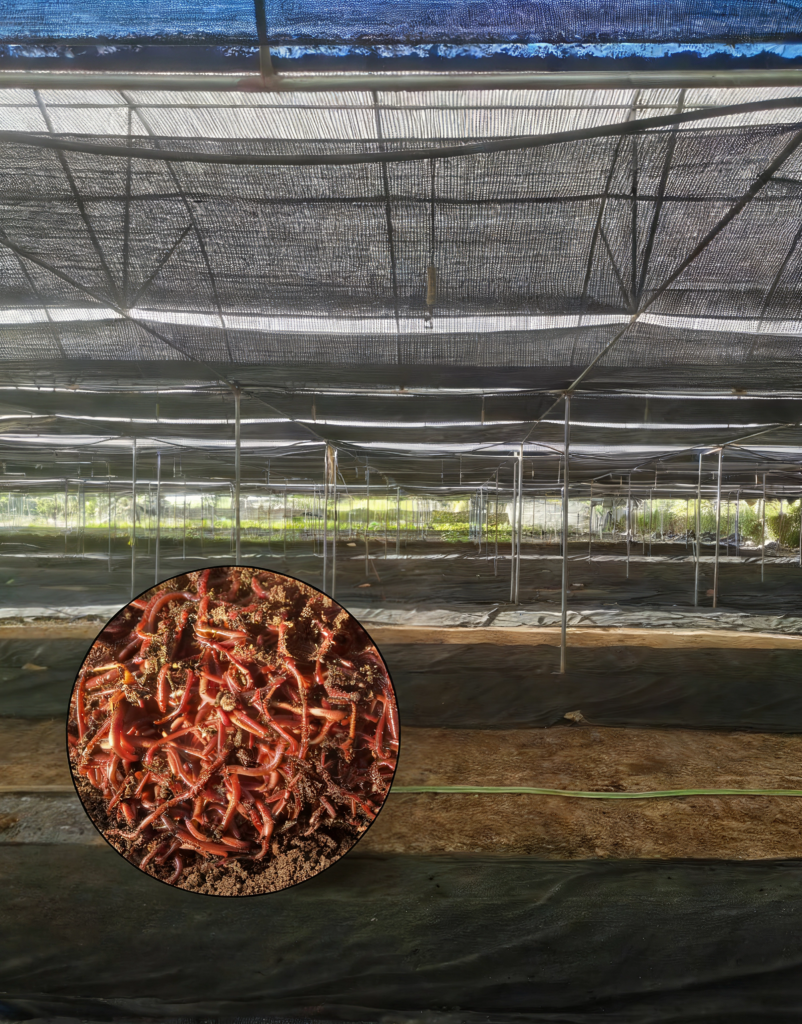

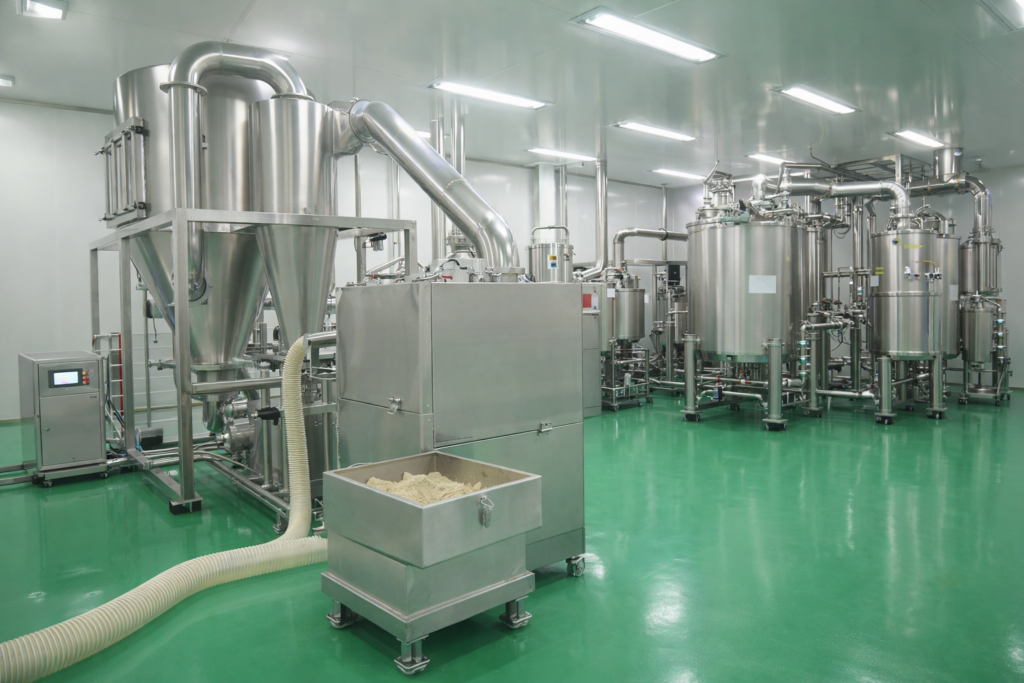
Let’s be honest—when most people hear “earthworm protein powder,” their first reaction isn’t excitement. It’s curiosity. Maybe even hesitation.
But here’s the thing.
Behind that unexpected source lies a dense network of bioactive peptides, enzymes, and functional compounds that are quietly reshaping innovation pipelines across dietary supplements, nutraceutical ingredients, pharmaceutical raw materials, and even cosmetics.
If you’re a manufacturer, wholesaler, or formulation scientist, you’re not looking for novelty. You’re looking for efficacy, differentiation, and scalable production. And that’s exactly where earthworm protein powder begins to stand out.
From Soil Organism to Functional Ingredient Platform
Before we talk peptides and enzyme kinetics, let’s zoom out for a moment.
Earthworms—commonly known in traditional Chinese medicine as Di Long—have been used for centuries. Historical references trace their medicinal relevance back to ancient texts, including Shennong’s Classic of Materia Medica .
Modern analysis shows something even more compelling:
- Protein content: typically 60–70% (dry weight)
- Rich in essential amino acids
- Low fat
- Contains bioactive enzymes and peptides
The production workflow of standardized earthworm protein powder—mechanical separation, enzymatic hydrolysis, centrifugation, low-temperature drying, sterilization—ensures ingredient consistency .
And that consistency matters in B2B supply chains. Especially in regulated markets.
The Peptide Breakthrough: ACE Inhibition and Cardiovascular Positioning
Let me explain why researchers are paying attention.
A 2023 study published in Food Bioscience identified seven novel ACE inhibitory peptides derived from earthworm protein gastrointestinal digestion products .
Two peptides stood out:
- SSPLWER (IC50 = 14.30 μM)
- RFFGP (IC50 = 117.63 μM)
Both act as competitive inhibitors of angiotensin-converting enzyme (ACE), a critical regulator in blood pressure pathways.
For supplement developers, this opens interesting doors:
- Natural antihypertensive positioning
- Cardiovascular support formulations
- Functional food fortification
Unlike synthetic ACE inhibitors, food-derived peptides tend to have better consumer acceptance. And in markets like the US and EU, “naturally sourced bioactive peptides” carries real weight.
What makes it even more fascinating? Molecular docking showed that tryptophan and arginine residues play key roles in activity .
That means we’re not just dealing with protein content. We’re dealing with structure-activity relationships.
And that’s formulation gold.
Antioxidant Peptides: Fighting Oxidative Stress at the Molecular Level
Cardiovascular isn’t the only story.
Research published in Food Chemistry identified over 6,000 peptide fragments after simulated digestion, with several demonstrating strong antioxidant activity .
Three sequences were particularly notable:
- AFWYGLPCKL
- WPWQMSLY
- GCFRYACGAFY
These peptides exhibited strong free radical scavenging activity (DPPH, ABTS models).
For nutraceutical ingredient suppliers, this suggests positioning potential in:
- Anti-aging supplements
- Cellular protection formulas
- Skin health formulations
- Functional beverages
Oxidative stress is practically a universal marketing angle. Cardiovascular, cognitive, immune—oxidation touches them all.
Immunomodulatory Applications: Beyond Basic Nutrition
Now here’s where things get even more commercially interesting.
A 2023 study evaluated earthworm protein autolysates in cyclophosphamide-induced immunosuppressed mice .
Results showed:
- Improved thymus and spleen indices
- Modulation of cytokines (TNF-α, IL-6, IL-10)
- Enhanced macrophage activity
- Reduced intestinal inflammation
One peptide, WNWLLPLMLG, showed particularly strong immunomodulatory activity.
Why does this matter?
Because post-pandemic markets continue to prioritize immune support. Consumers may not understand peptide docking scores—but they understand “immune balance.”
For B2B suppliers, this supports:
- Immune health capsules
- Functional protein blends
- Clinical nutrition formulations
Lumbrokinase: The Enzyme That Changes the Conversation
We can’t discuss earthworm protein without talking about lumbrokinase.
Lumbrokinase is a fibrinolytic enzyme complex derived from earthworms, known for its ability to break down fibrin clots .
Clinical literature describes applications in:
- Coronary heart disease
- Deep vein thrombosis
- Stroke support
- Circulatory health
Mechanistically, lumbrokinase acts like molecular scissors—targeting fibrin networks that form clots.
For pharmaceutical ingredient manufacturers, this enzyme offers:
- Thrombolytic support potential
- Adjunct cardiovascular therapy positioning
- Advanced circulation support formulas
And because it’s protein-based, stability and activity retention during manufacturing become central technical considerations.
Functional Ingredient Innovation in Food Systems
Let’s pivot toward application.
Earthworm protein peptides have already been discussed for integration into functional foods :
- Lipid management foods
- Functional beverages
- Protein bars
- Grain blends
- Low-fat nutritional products
For formulators, the key questions are practical:
- Does it dissolve well?
- Is it stable in heat processing?
- How does it affect taste?
Peptide fractions (<3 kDa) tend to exhibit better solubility and absorption potential. Smaller peptides often demonstrate enhanced bioavailability compared to intact proteins—thanks to distinct intestinal transport pathways .
That absorption advantage isn’t just theory. It’s part of why peptide-based supplements have grown so quickly.
Sustainability and Alternative Protein Strategy
Here’s a strategic angle that’s hard to ignore.
Earthworms:
- Have high protein conversion efficiency
- Produce low greenhouse gas emissions compared to traditional livestock
- Can be cultivated in controlled environments
- Contribute to soil regeneration
In a market increasingly focused on sustainable protein sources, earthworm-derived ingredients offer a compelling narrative.
Not just functional. Responsible.
And yes, alternative protein investors are watching closely.
Manufacturing Matters: Standardization and Supply Chain Stability
For B2B buyers, innovation means nothing without supply reliability.
Earthworm protein powder production typically involves:
- Controlled cultivation
- Mechanical purification
- Enzymatic hydrolysis
- Filtration and ultrafilation
- Low-temperature drying
- Sterilization
This structured process allows:
- Batch-to-batch consistency
- Standardized protein content
- Controlled peptide fractions
- Scalable industrial output
When you’re supplying US or EU markets, documentation and traceability aren’t optional. They’re essential.
Where Innovation Is Heading
So what’s next?
Honestly? More targeted peptide fractionation.
We’re likely to see:
- Defined peptide complexes for blood pressure
- Standardized immunomodulatory blends
- High-activity lumbrokinase concentrates
- Cosmeceutical antioxidant peptide extracts
- Personalized nutrition positioning
The raw material is already there. What’s evolving is the science—and the formulation creativity.
Earthworm protein powder is no longer just a high-protein ingredient.
It’s becoming a bioactive platform.
FAQs
1. What makes earthworm protein powder suitable for functional ingredient development?
Earthworm protein powder contains bioactive peptides and enzymes, including ACE inhibitory peptides and fibrinolytic enzymes like lumbrokinase. These compounds support cardiovascular health, antioxidant protection, and immune modulation, making it valuable for nutraceutical and pharmaceutical ingredient applications.
2. How do earthworm-derived ACE inhibitory peptides support blood pressure management?
Research has identified specific peptide sequences such as SSPLWER that competitively inhibit ACE activity . By reducing angiotensin II formation, these peptides may contribute to natural blood pressure regulation in functional foods and supplements.
3. Is lumbrokinase from earthworm protein clinically relevant?
Lumbrokinase is widely studied for its fibrinolytic activity, helping dissolve fibrin clots and improve circulation . It has been explored in cardiovascular and thrombotic health applications.
4. Are earthworm protein peptides easily absorbed?
Small peptides derived from enzymatic hydrolysis are typically more efficiently absorbed than intact proteins due to specialized intestinal transport mechanisms , enhancing their functional effectiveness.
5. Can earthworm protein powder be used in functional foods and beverages?
Yes. Earthworm protein peptides have potential applications in lipid-lowering foods, functional beverages, protein bars, and immune-support products , provided taste and formulation stability are properly managed.
If you’re developing next-generation nutraceutical ingredients, sometimes innovation doesn’t come from exotic biotech labs.
Sometimes, it starts in the soil—and ends in advanced molecular docking simulations.
Unexpected? Yes.
But innovation often is.