A quick outline before we get into it
- Why these two regions matter now
- What makes earthworm peptide powder commercially interesting
- Where the best product opportunities sit in Southeast Asia
- Where the best product opportunities sit in the Middle East
- What buyers will ask before they say yes
- The go-to-market angle that actually makes sense
- FAQs
Not a fringe ingredient anymore
Earthworm peptide powder still sounds unusual in some markets. Fair enough. But unusual and unworkable are not the same thing.
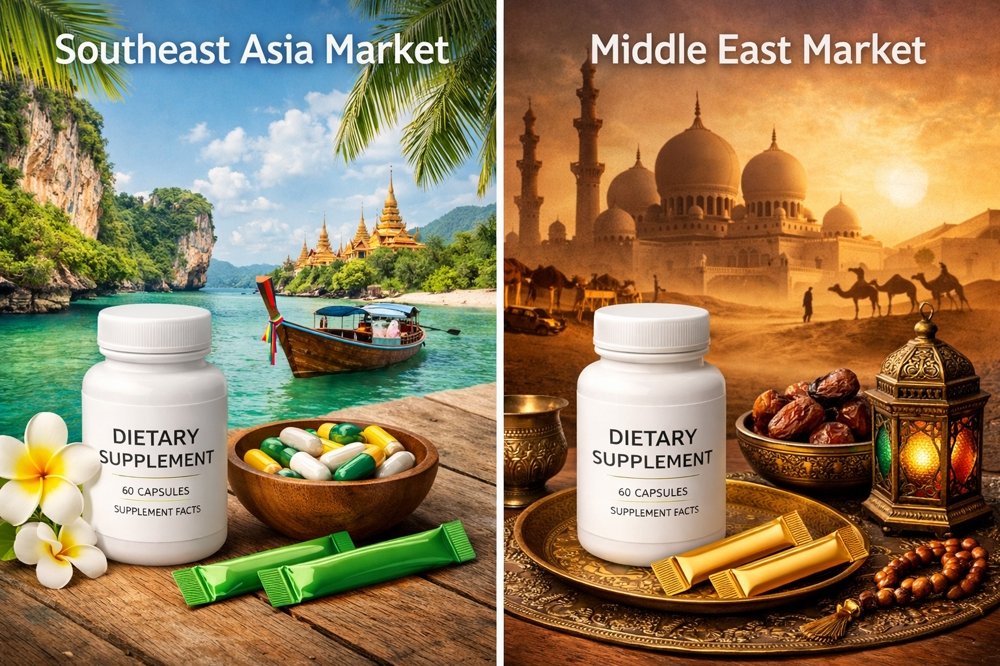
For suppliers, manufacturers, and brand owners, Southeast Asia and the Middle East look more interesting than they did a few years ago. Both regions are seeing steady growth in supplements and nutraceuticals, both are dealing with a heavy burden from lifestyle-related conditions, and both have consumers who are increasingly open to functional products that promise more than basic nutrition. The ASEAN supplement market was estimated around USD 7.5 billion in 2023 with projected growth of roughly 8% to 10% through 2030, while the Middle East and Africa dietary supplements market was estimated at USD 4.10 billion in 2024 and projected to grow at 10.3% from 2025 to 2030. In the GCC alone, nutraceuticals were estimated at USD 7.47 billion in 2024 and are projected to keep expanding through 2033. (Source of Asia)
That matters because earthworm peptide powder is not a mass-market multivitamin play. It sits better in premium, differentiated, science-led product lines. And these are exactly the kinds of segments that are getting more attention in both regions.
Here’s the thing: the opportunity is real, but it is not broad and random. It’s specific. Very specific.
Why this ingredient gets attention in the first place
From a formulation and positioning standpoint, earthworm-derived peptide ingredients attract interest for three reasons.
First, the raw material itself is protein-rich. Research in your source files notes that earthworm protein commonly falls in the 60% to 70% range and has been discussed as an alternative protein with good essential amino acid composition and functional-food potential.
Second, bioactive peptide work is giving the category a more credible scientific story. One 2023 study identified seven novel ACE-inhibitory peptides from earthworm protein digestion products, with the most active peptides showing competitive inhibition of ACE, which is relevant for blood-pressure-related positioning in early-stage ingredient discussions. Another 2024 paper identified antioxidant peptides from earthworm proteins and linked them to potential use in health-food antioxidant applications.
Third, the broader earthworm extract literature keeps pointing to a wide pharmacological interest profile around thrombolytic, antioxidant, anti-inflammatory, and wound-healing activity, even though commercial claims still need to stay inside each market’s rules.
That last part is worth underlining. Science can open doors. It can’t replace regulatory discipline.
Southeast Asia: a market that likes function, value, and familiarity
Southeast Asia may be the easier of the two regions to test first. Not because it is simple — it isn’t — but because the region already has strong momentum in supplements, functional foods, and preventive wellness. The broader Asia-Pacific supplement market is also still growing, with one 2026 industry analysis projecting it to rise from $66.2 billion in 2025 to $84.4 billion by 2029. (glanbianutritionals.com)
And then there’s the health backdrop. Cardiovascular disease remains a major issue across Asia. WHO said the South-East Asia Region saw 4.3 million CVD deaths in 2021, about 32% of all deaths in the region, with nearly 44.7% of CVD deaths occurring prematurely between ages 30 and 70. (世界卫生组织)
That doesn’t mean every heart-health brand should rush into earthworm peptide. It does mean there is room for ingredients that can be framed around circulation support, healthy aging, recovery, antioxidant support, and premium protein-peptide functionality — provided the claims are compliant.
Where the real openings are in Southeast Asia
1. Cardiovascular-adjacent wellness products
This is probably the most obvious lane. Not drug-style positioning. Not disease treatment language. More like:
- healthy circulation support
- vascular wellness support
- healthy aging formulations
- antioxidant plus cardio-wellness blends
That angle fits the region’s preventive-health mindset better than a hard clinical pitch. It also lets brands build combination products with familiar actives already known in the category.
2. Functional food and drink formats
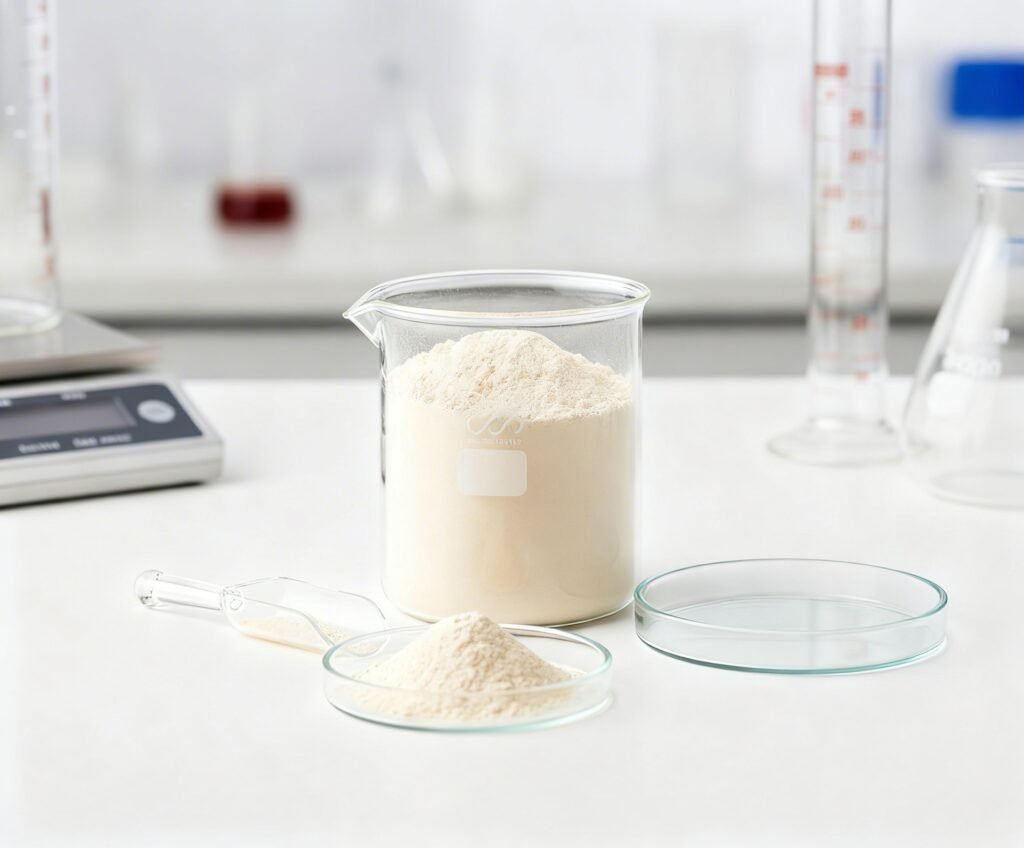
Southeast Asia is very friendly to powders, sachets, ready-to-mix drinks, and compact convenience formats. That makes earthworm peptide powder easier to commercialize than an ingredient that only works in tablets.
Honestly, this is where many suppliers miss the plot. They sell the ingredient like a technical spec sheet when the market may want a format story:
morning wellness sachets, circulation-focused powdered blends, protein-peptide sticks, or premium recovery drinks.
If the taste and odor are controlled well, this region is much more forgiving of novel functionality when the format feels familiar.
3. Cross-border e-commerce and niche premium brands
Not every opportunity starts with pharmacy shelves. In Southeast Asia, digital-first supplement brands can test niche ingredients faster than traditional channels. That makes the region useful for pilot launches, especially in markets where consumers are already buying beauty-from-within, healthy aging, and specialty wellness products online.
4. Contract manufacturing for differentiated local brands
A lot of regional brands want something “new” but not totally disconnected from science. Earthworm peptide powder can work as a white-label or contract-manufactured hero ingredient for brands that want to stand apart from the usual collagen, botanical, and probiotic crowd.
A bit like specialty coffee, really. Everyone can sell coffee. Not everyone can sell a rare origin with a strong story.
The catch in Southeast Asia
Regulation is still fragmented. ASEAN has harmonization efforts for traditional medicines and health supplements, but member states still differ in how they handle registration, claims, and technical requirements. (HSA)
So yes, Southeast Asia is promising. But it is not one market. It is a cluster of markets with shared momentum and separate gatekeepers.
The Middle East: smaller volume at first, stronger premium upside
The Middle East is different. Buyers there are often more cautious with novel animal-derived ingredients, but once the product clears the trust barrier, the premium upside can be better.
Why? Because the region has a strong health-and-wellness trajectory, high interest in premium imported or clinically positioned supplements, and a particularly strong need for compliance signals — halal, quality, origin traceability, and clean labeling.
The health backdrop is again important. WHO’s Eastern Mediterranean office says around 34% of noncommunicable disease deaths in the region are due to cardiovascular diseases, and nearly 40% of adults in the region have high blood pressure. (EMRO)
That kind of burden keeps demand alive for preventive wellness, daily support products, and premium formulations centered on metabolism, circulation, and aging well.
Where the real openings are in the Middle East
1. Premium capsules for specialist wellness channels
In many Middle Eastern markets, capsules remain a practical first step for novel ingredients. They feel controlled, measured, and premium. For earthworm peptide powder, this matters.
A fancy powder can work, sure. But a capsule often gives nervous buyers less to worry about:
taste, smell, texture, consumer hesitation — all reduced.
2. Halal-compliant animal-derived innovation
This is a big one. For an animal-derived nutraceutical ingredient, halal readiness is not a side note. It is part of the product itself from a market-access perspective. The Saudi Food and Drug Authority’s Halal Center handles halal certification, and Saudi requirements are especially important for exporters targeting the Gulf. (الهيئة العامة للغذاء والدواء)
So if a supplier wants to sell earthworm peptide powder into Saudi Arabia, the UAE, or neighboring markets, the conversation has to include halal feasibility early — not after packaging design, not after distributor meetings, and definitely not after the first rejection.
3. Physician-adjacent and pharmacy-led positioning
The Middle East often rewards products that look serious. Clinical language, compliance-ready dossiers, strong QA, and evidence summaries matter. A lot.
That does not mean pretending the ingredient is a medicine. It means building a product package that feels credible enough for pharmacists, premium wellness clinics, and medically influenced retail.
4. Combination formulas with familiar anchors
A standalone earthworm peptide product may be too abrupt for some buyers. A blended formula is often smarter.
Think about positioning that pairs the peptide ingredient with more familiar support ingredients already accepted in premium wellness categories. The familiar anchor reduces friction. The peptide becomes the point of difference, not the whole burden of proof.
The catch in the Middle East
Cultural acceptance and halal assurance are non-negotiable. Animal origin, production controls, contamination risk, and documentation all come under heavier scrutiny than in many other markets. That is not a bad thing. It just means suppliers need tighter files, better process control, and more patience.
So where is the better near-term opportunity?
If you want faster experimentation, Southeast Asia probably wins.
If you want higher-value premium positioning, the Middle East may offer better margins once trust is built.
That sounds contradictory, but it isn’t. One region is often better for testing. The other can be better for prestige and premium pricing.
A smart supplier would not treat them as identical export targets. They’d use different stories.
For Southeast Asia:
focus on functional wellness, convenience formats, and differentiated consumer products.
For the Middle East:
focus on capsule formats, premium clinical presentation, halal readiness, and distributor confidence.
Product categories that make the most commercial sense
Let me explain this in plain B2B language. Earthworm peptide powder does not belong everywhere.
It fits best in these categories:
1. Healthy aging supplements
This is broad enough to be marketable and narrow enough to feel purposeful. It can combine circulation support, antioxidant support, and daily vitality language without getting reckless.
2. Cardiovascular wellness blends
Not treatment claims. Not cure claims. Just careful wellness positioning where allowed, backed by supporting ingredient logic and restrained messaging. WHO’s global CVD burden remains enormous at 17.9 million deaths a year, which keeps this category commercially relevant almost everywhere. (世界卫生组织)
3. Functional protein-peptide products
This is more interesting in Southeast Asia, where hybrid products between nutrition and wellness often get a better reception than ultra-clinical positioning alone.
4. Premium specialty nutraceuticals
Especially in the Gulf, niche premium is often a better starting point than mass retail. A smaller, higher-trust launch can beat a wide, low-trust rollout every time.
What buyers in these regions will ask before they buy
This part matters more than the science abstract. Buyers usually ask commercial questions first.
They’ll want to know:
Is the ingredient standardized?
What is the peptide profile or activity marker?
Can the taste and odor be controlled?
What dosage form works best?
Is there halal feasibility?
What contaminants are monitored?
What is the regulatory pathway in each country?
Can the story be told without overclaiming?
And honestly, if a supplier cannot answer those cleanly, the market opportunity shrinks fast.
The biggest barriers — and how smart suppliers work around them
Barrier 1: Novelty can scare buyers
Workaround: start with distributor education decks, not just COAs. Show origin, process, safety controls, and intended positioning.
Barrier 2: Animal-derived status complicates entry
Workaround: build documentation around source control, processing, and halal review early, especially for Gulf markets. Saudi’s halal framework makes this especially important. (الهيئة العامة للغذاء والدواء)
Barrier 3: Claims can run ahead of evidence
Workaround: keep the ingredient story science-informed but commercial claims conservative. The underlying research is promising, but much of it is still preclinical or ingredient-stage, not broad finished-product clinical proof.
Barrier 4: Consumers may hesitate at the source story
Workaround: lead with function and quality, not shock value. In some channels, “bioactive peptide complex” will land better than making the species origin the headline.
The practical market-entry playbook
For Southeast Asia:
launch with sachets, capsules, or powdered blends in one or two target countries first. Use functional-food and premium supplement channels. Keep the message practical, modern, and benefit-led.
For the Middle East:
start with capsule products and a stronger compliance dossier. Prioritize halal strategy, pharmacy-adjacent channels, and premium distributor partnerships.
In both regions:
do not try to be cheap. This ingredient is better suited to specialty positioning than price wars.
That’s the real opportunity, by the way. Not competing with commodity proteins. Not elbowing into generic supplement shelves. The opportunity is to give brands something distinctive — an ingredient with a scientific backstory, a functional angle, and enough novelty to stand out when the rest of the market is starting to feel a bit same-old, same-old.
Final thought
Southeast Asia offers momentum. The Middle East offers premium potential. Neither is a plug-and-play market, and that is exactly why the opportunity exists.
When an ingredient is easy, crowded, and instantly understood, margins usually get squeezed. Earthworm peptide powder is not there. Not yet.
For the right supplier, that is annoying, yes — but it is also the opening.
FAQs
1. Is earthworm peptide powder suitable for dietary supplement brands in Southeast Asia?
Yes, especially for brands focused on healthy aging, antioxidant support, circulation wellness, and specialty functional nutrition. Southeast Asia’s supplement market is growing quickly, and consumers are already comfortable with convenient formats like capsules, sachets, and wellness drink powders. (Source of Asia)
2. Why is the Middle East considered a promising market for earthworm peptide powder?
The Middle East combines rising nutraceutical demand with strong interest in premium, clinically presented wellness products. The region also has a significant cardiovascular and metabolic health burden, which supports demand for preventive health categories. (Grand View Research)
3. What is the best dosage form for earthworm peptide powder in these regions?
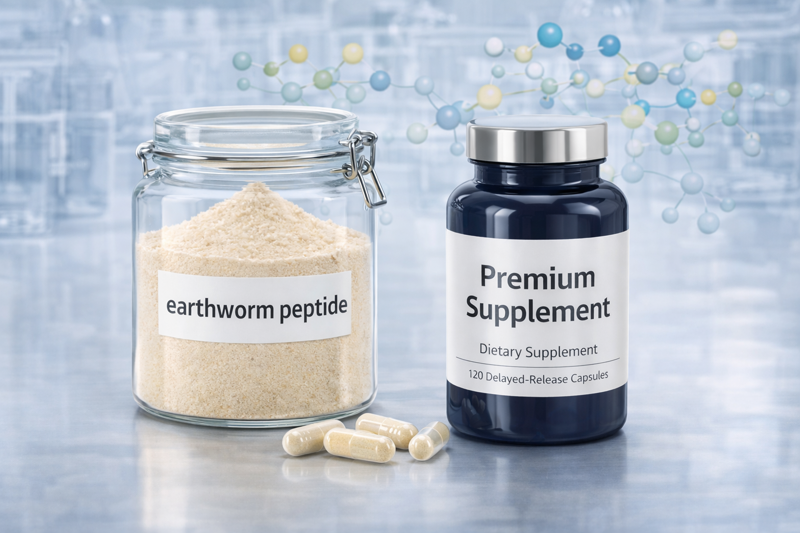
Capsules are usually the safest first option for the Middle East because they reduce taste and odor concerns and look more premium. In Southeast Asia, capsules, sachets, and powdered blends can all work, depending on the target consumer and sales channel.
4. Does halal certification matter for earthworm peptide powder in Gulf markets?
Absolutely. For Gulf entry, halal readiness is a serious commercial requirement, especially for animal-derived ingredients. Suppliers targeting Saudi Arabia and nearby markets should review halal certification feasibility at the very start of product planning. (الهيئة العامة للغذاء والدواء)
5. What makes earthworm peptide powder different from generic protein ingredients?
The difference is the bioactive angle. Earthworm peptide powder is not just sold as protein; it is being studied for peptides linked to ACE inhibition, antioxidant activity, and broader functional potential. That gives suppliers a more specialized story than plain protein concentrates, though finished-product claims still need to stay compliant.