Earthworm protein sounds like one of those ideas that makes people pause mid-sentence. You can almost see the eyebrow lift. Earthworms? As food?
And yet—here’s the thing—it’s not as strange as it feels at first. Earthworm protein has been quietly discussed in nutrition science, animal feed research, and sustainability circles for decades. It’s not a fad born on social media. It’s more like a long-standing concept that’s finally bumping into modern problems: food shortages, protein demand, and environmental strain.
So let’s slow down and talk it through. What is earthworm protein, where does it come from, and why are researchers even paying attention to it?
Let’s start simple: what earthworm protein actually is
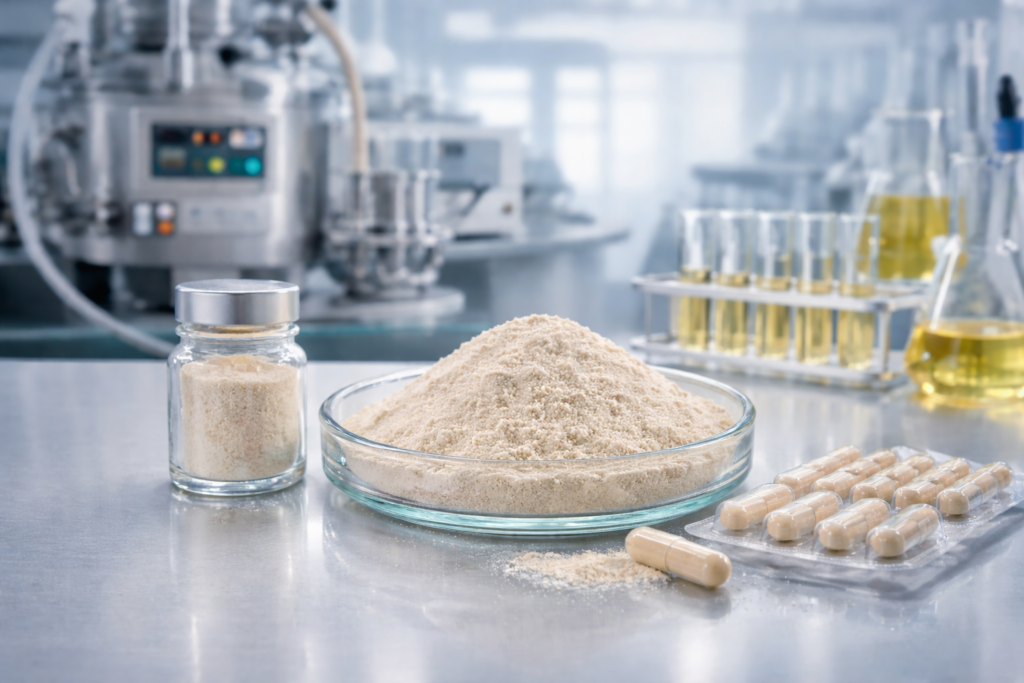
Earthworm protein refers to the high-quality protein extracted from earthworms, usually from species raised in controlled environments. These worms are processed, dried, and turned into a powder or concentrate rich in amino acids.
On paper, it looks impressive. Earthworms contain:
- Around 55–65% protein by dry weight
- A full range of essential amino acids
- Small amounts of healthy fats
- Minerals like iron, calcium, and zinc
From a biochemical standpoint, it checks a lot of boxes that nutritionists care about. The surprise isn’t that it works—it’s that more people don’t know it exists.
Why earthworms are even part of this conversation
Honestly? Because we’re running out of easy protein options.
Traditional protein sources—beef, poultry, fish—are resource-heavy. They need land, water, feed, and time. Earthworms, on the other hand, are incredibly efficient. They thrive on organic waste, reproduce quickly, and require minimal space.
That efficiency is what keeps pulling scientists back to them.
Earthworms convert low-value organic material into dense nutritional biomass. From a sustainability angle, that’s gold.
A quick note on history (this isn’t new)
Earthworms have been used in traditional medicine and diets in parts of:
- China
- Southeast Asia
- Africa
- Indigenous communities in South America
In some cultures, dried earthworms were consumed for their perceived health benefits long before lab tests confirmed their protein content. Modern science didn’t invent the idea—it just gave it data.
Nutritional breakdown: why researchers take it seriously
Here’s where things get interesting.
Protein quality matters, not just quantity
Earthworm protein contains all nine essential amino acids, including lysine and methionine, which are often limited in plant-based proteins. That makes it a complete protein, similar in quality to eggs or fish.
You know what? That’s rare outside animal sources.
Digestibility is surprisingly high
Studies suggest earthworm protein has a high digestibility score, meaning the body can absorb and use most of it. This matters for:
- Clinical nutrition
- Elderly populations
- Animal feed efficiency
In other words, it’s not just protein—it’s usable protein.
Earthworm protein vs other alternative proteins
People often lump earthworms into the same category as insects, algae, or lab-grown meat. But they’re not identical.
Here’s a rough comparison:
- Insects: High protein, but chitin (exoskeleton) can reduce digestibility
- Algae: Sustainable, but strong flavors and variable amino acid profiles
- Plant proteins: Environmentally friendly, but often incomplete
- Earthworm protein: Complete amino acids, low resource input, neutral processing flavor
It sits in a weird middle space—less familiar than soy, less trendy than cricket flour, but nutritionally solid.
How earthworm protein is made
Let me explain this part, because it’s where a lot of misconceptions pop up.
Earthworms used for protein are not collected from soil randomly. They’re farmed through vermiculture—controlled systems designed for hygiene, consistency, and safety.
The basic steps look like this:
- Earthworms are raised on clean organic feed
- They’re harvested at maturity
- Cleaned and processed under food-grade conditions
- Dried and milled into protein powder or extract
By the time it reaches a usable form, it doesn’t resemble a worm at all. It’s closer to a neutral powder, similar to fish meal or collagen protein.
Is earthworm protein safe?
This question always comes up—and fairly so.
From a scientific standpoint, properly processed earthworm protein can be safe, especially when used in:
- Animal feed
- Aquaculture
- Agricultural supplements
Human consumption is more regulated and varies by country. Safety depends on:
- Farming conditions
- Processing standards
- Microbial control
- Heavy metal testing
So no, it’s not something you scoop out of your garden and eat. Context and regulation matter here.
Where earthworm protein is used today
Right now, most applications are practical, not flashy.
Animal feed and aquaculture
Fish, poultry, and livestock respond well to earthworm protein. It improves growth rates and feed efficiency, partly because of its amino acid balance.
Aquaculture, in particular, has shown interest. Fish meal prices fluctuate, and earthworm protein offers a stable alternative.
Agriculture and soil biology
Some formulations use earthworm protein as a bio-active ingredient, supporting microbial activity and plant health.
Research and clinical studies
There’s ongoing work exploring earthworm protein peptides for:
- Anti-inflammatory effects
- Immune response modulation
- Wound healing support
This is still early-stage science, but it’s enough to keep labs curious.
The “ick factor” problem
Let’s be real. The biggest barrier isn’t nutrition. It’s psychology.
People are comfortable with protein powders made from whey, peas, or even insects now. Earthworms just haven’t crossed that cultural bridge yet.
But food norms change. Lobsters were once prison food. Sushi was considered risky. Now they’re mainstream.
Acceptance usually follows necessity.
Sustainability: the quiet strength of earthworm protein
If sustainability metrics mattered more than marketing, earthworm protein would already be everywhere.
Earthworms:
- Require minimal water
- Emit almost no greenhouse gases
- Grow fast
- Recycle organic waste
From a systems perspective, they’re almost too efficient. That’s why environmental researchers keep circling back to them when discussing future protein shortages.
Is earthworm protein meant to replace meat?
No—and this is important.
Earthworm protein isn’t a silver bullet. It’s a supplemental protein source, not a universal replacement. Think of it as part of a broader mix that includes:
- Plant proteins
- Fermented proteins
- Insect proteins
- Cultured meat
Food systems work best when they diversify, not when they bet everything on one solution.
What the future might look like
You probably won’t see “earthworm protein burgers” on fast-food menus anytime soon. But you might see it quietly used in:
- Animal nutrition
- Specialized supplements
- Emergency food formulations
- Sustainable agriculture inputs
Sometimes the most impactful ingredients are the ones consumers never notice directly.
So… should you care?
Honestly? Even if you never plan to eat it, earthworm protein is worth understanding. It represents a shift in how we think about food, waste, and efficiency.
It’s not about shock value. It’s about practicality.
And practicality has a habit of winning, slowly but surely.
Frequently Asked Questions
Is earthworm protein edible for humans?
Yes, when processed under proper food-grade conditions and approved by local regulations. Most current uses focus on animal feed and research rather than mainstream human consumption.
How does earthworm protein compare to plant-based protein powders?
Earthworm protein is a complete protein with all essential amino acids, whereas many plant proteins lack one or more unless blended.
Does earthworm protein taste like worms?
No. Once processed into powder form, it has a neutral taste similar to other animal-based protein meals.
Is earthworm protein environmentally friendly?
Very much so. Earthworms require fewer resources than livestock and help recycle organic waste efficiently.
Where is earthworm protein commonly used today?
It’s most commonly found in aquaculture feed, livestock nutrition, agricultural products, and scientific research—not retail protein supplements yet.