A Quiet Ingredient Is Suddenly in the Spotlight
If you’ve been watching the alternative protein space closely, you’ve probably noticed something unusual. While pea protein and insect protein have dominated headlines for years, a more unconventional ingredient is quietly building serious momentum: earthworm protein powder.
Yes, earthworm.
For buyers in dietary supplements, nutraceuticals, pharmaceutical ingredients, and even cosmetics, this isn’t a novelty play. It’s a science-backed, supply-chain-ready, functionally rich protein source that checks more boxes in 2025 than many legacy ingredients ever did.
So what changed?
Let me explain.
From Soil Engineer to Functional Protein Source
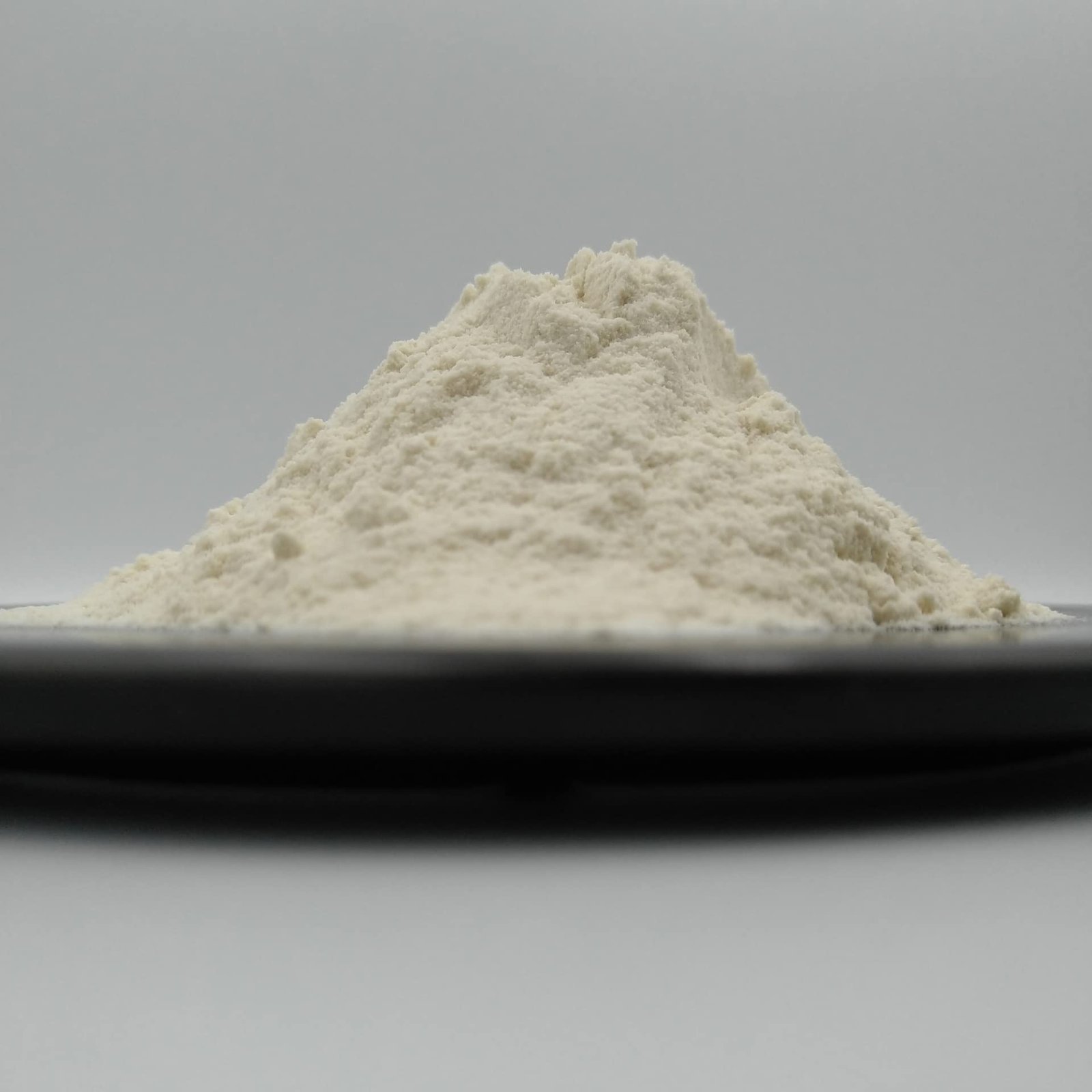
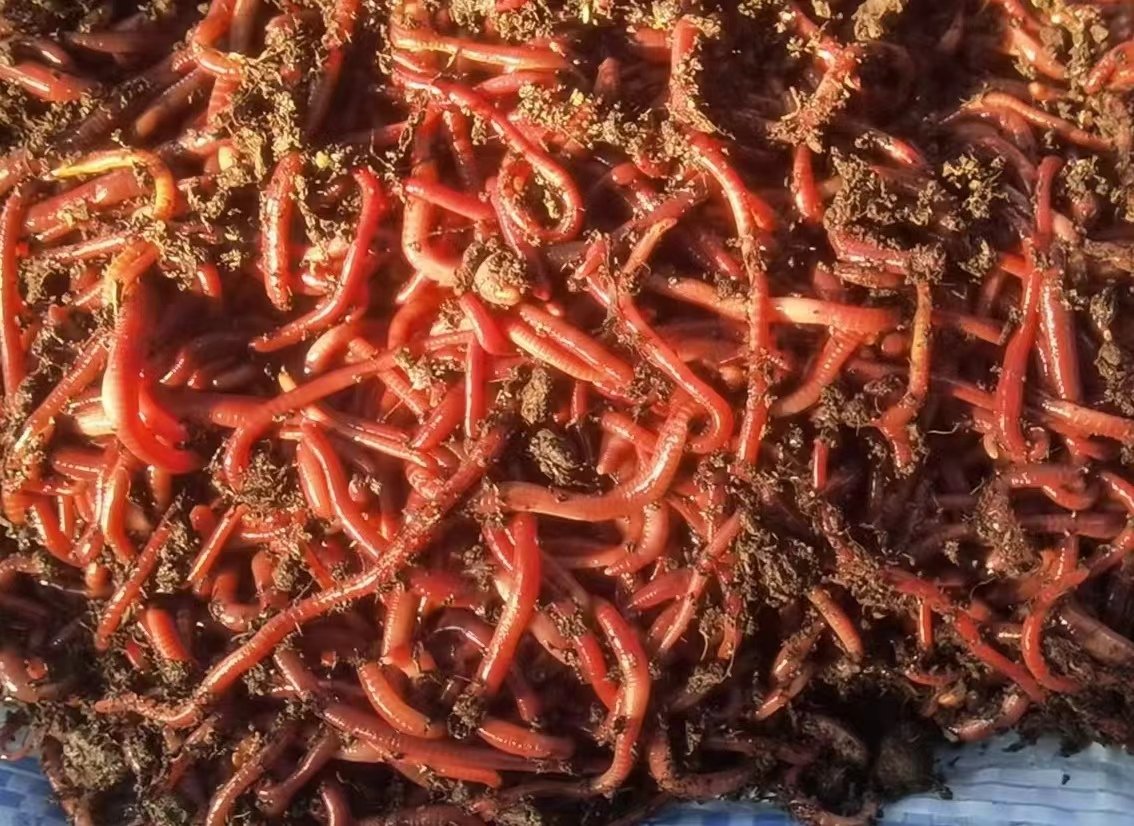
For decades, earthworms have been recognized as ecological powerhouses. They improve soil structure, enhance nutrient cycling, and support sustainable agriculture. In fact, they’re often called the “guardians of the agricultural ecosystem” and even described as the “source of life in soil ecology” .
But here’s the twist: the same biological efficiency that makes earthworms vital for soil health also makes them a remarkably efficient protein converter.
Modern large-scale cultivation has matured rapidly. Compared to traditional livestock, earthworm farming offers:
- Higher protein conversion efficiency
- Lower greenhouse gas emissions
- Minimal land footprint
- Organic waste recycling capability
In other words, earthworm protein powder isn’t just another alternative protein. It’s a circular-economy protein.
And in 2025, sustainability is no longer a marketing claim. It’s a procurement requirement.
The Protein Profile That Made Researchers Look Twice
Let’s talk numbers.
Earthworm protein content typically ranges from 60% to over 70% on a dry weight basis . That’s already competitive with whey and superior to many plant proteins. But composition matters more than raw percentage.
Research shows earthworm protein provides:
- A balanced essential amino acid profile
- High lysine content (often limiting in cereals)
- Low fat levels
- Favorable digestibility
More importantly, it’s not just about “protein.” It’s about bioactive peptides.
And this is where things get interesting.
ACE-Inhibitory Peptides: A Natural Angle on Blood Pressure
Hypertension continues to expand globally. The projected number of patients worldwide has been estimated to reach 1.56 billion by 2025 . Traditional ACE inhibitor drugs work, but side effects remain a concern.
Recent peer-reviewed research identified seven novel ACE inhibitory peptides derived from earthworm protein after simulated gastrointestinal digestion .
Two peptides stood out:
- SSPLWER (IC50 = 14.30 μM)
- RFFGP (IC50 = 117.63 μM)
These peptides act as competitive ACE inhibitors, binding directly to the active site of the enzyme .
What does that mean for ingredient developers?
It means earthworm protein powder isn’t just a macronutrient. It’s a functional peptide reservoir with documented antihypertensive potential.
And in the nutraceutical sector, clinically relevant mechanisms matter.
Antioxidant Peptides: Not Just Theory
Another study identified thousands of peptide fragments generated through enzymatic digestion of earthworm protein, with several sequences demonstrating strong antioxidant capacity .
Notably:
- AFWYGLPCKL
- WPWQMSLY
- GCFRYACGAFY
These peptides exhibited free radical scavenging activity and resistance to oxidative stress .
For cosmetic suppliers and anti-aging product formulators, antioxidant bioactivity isn’t optional—it’s foundational.
Here’s the thing: antioxidant marketing is crowded. But peptides identified through molecular docking and quantum chemistry modeling? That adds credibility.
Immunomodulation in a Post-Pandemic Market
If the last few years taught the global supplement industry anything, it’s this: immune support is no longer seasonal.
A 2023 study investigated earthworm protein autolysates in cyclophosphamide-induced immunosuppressed mice . The results showed:
- Restoration of immune organ indices
- Improvement in inflammatory markers
- Identification of immunomodulatory peptides
One peptide sequence, WNWLLPLMLG, demonstrated strong activity in macrophage models .
From a formulation perspective, this supports development in:
- Immune-support capsules
- Functional beverages
- Recovery formulations
And yes, regulatory pathways differ by region. But mechanistic evidence strengthens dossier development.
Lumbrokinase: The Enzyme That Built the Foundation
We can’t talk about earthworm protein without mentioning lumbrokinase.
Lumbrokinase is a fibrinolytic enzyme complex derived from earthworms. It’s widely studied for its ability to dissolve fibrin and support cardiovascular health .
Clinical applications discussed in research include:
- Coronary heart disease management
- Venous thrombosis support
- Circulatory improvement
Historically, lumbrokinase opened the pharmaceutical door. Earthworm protein powder is now walking through it—with broader functional applications.
Manufacturing Has Quietly Professionalized
Let’s address a common hesitation: quality control.
Modern production involves:
- Mechanical separation
- Secondary cleaning
- Controlled hydrolysis
- Centrifugation
- Low-temperature drying
- Sterilization
- Powder processing
Raw material often includes specific cultivated strains such as Eisenia fetida variants .
This is no longer backyard vermiculture. It’s standardized industrial production.
For wholesalers and OEM manufacturers, this shift changes everything. Consistency equals scalability.
Peptides vs. Whole Protein: Why It Matters
There’s another technical layer here.
Protein gets digested into amino acids. But small peptides—especially dipeptides and tripeptides—are absorbed through distinct mechanisms and may avoid amino acid competition during transport .
In practical terms?
Peptide-rich hydrolysates can offer:
- Faster absorption
- Lower allergenic potential
- Enhanced functional bioactivity
That’s a meaningful differentiation for premium formulations.
Expanding Applications in Food & Functional Products
Innovation in food applications is accelerating. Research highlights earthworm protein peptides being explored in:
- Lipid-lowering foods
- Functional beverages
- High-protein snacks
- Antioxidant-enriched products
Of course, sensory challenges remain. Flavor masking, solubility optimization, and formulation stability still require R&D attention.
But honestly? So did pea protein ten years ago.
Pharmaceutical & Medical Potential: A Broader Horizon
Beyond peptides and enzymes, broader pharmacological potential has been noted:
- Natural antimicrobial compounds
- Anti-inflammatory activity
- Immunomodulatory components
- Possible anti-tumor activity
This doesn’t mean sweeping claims. It means expanding research pipelines.
In 2025, investors and ingredient developers are looking for platforms, not single-function ingredients.
Earthworm protein appears increasingly like a platform.
Why 2025 Specifically?
So why now?
Several forces converged:
- Sustainability pressure on protein sourcing
- Rising hypertension and cardiovascular disease burden
- Post-pandemic immune demand
- Functional peptide research maturity
- Industrialized cultivation systems
Earthworm protein powder sits at the intersection of all five.
FAQs About Earthworm Protein Powder in 2025
1. What makes earthworm protein powder different from other alternative proteins?
Earthworm protein powder contains high levels of bioactive peptides, including ACE inhibitory peptides and antioxidant peptides, which provide functional health benefits beyond basic nutrition .
2. Is earthworm protein powder suitable for cardiovascular health formulations?
Research has identified ACE inhibitory peptides and fibrinolytic enzymes such as lumbrokinase derived from earthworms that may support cardiovascular function .
3. How is earthworm protein powder manufactured for commercial use?
Industrial production typically includes mechanical separation, washing, enzymatic hydrolysis, centrifugation, low-temperature drying, and sterilization to ensure safety and consistency .
4. Can earthworm protein peptides be used in functional foods?
Yes. Research indicates potential applications in lipid-lowering foods, antioxidant beverages, and high-protein snack formulations .
5. Are there immune-support benefits linked to earthworm protein hydrolysates?
Animal model studies suggest immunomodulatory effects, including improved immune organ indices and cytokine regulation .