- Why earthworm protein powder suddenly matters
- A quick reset on what earthworm protein powder actually is
- Global demand drivers you can’t ignore
- Food applications: from niche to functional mainstream
- Pharma interest: peptides, enzymes, and clinical logic
- Cosmetics: where skin science meets biology
- Regional market dynamics: who’s moving first and why
- Manufacturing, standards, and supply chain realities
- Market friction points (yes, there are a few)
- Where the next five years seem to be heading
- FAQs for buyers, formulators, and decision-makers
So… why is everyone suddenly talking about earthworm protein powder?
You know what? Ten years ago, this topic would’ve sounded fringe. Today, it doesn’t.
Across food, pharmaceutical, and cosmetic supply chains, there’s a shared pressure: find ingredients that do more, waste less, and stand up to scrutiny. Earthworm protein powder sits right at that crossroads. It’s high in protein, naturally rich in bioactive peptides, and tied to a production model that’s surprisingly efficient.
At the same time, buyers are sharper. They ask tougher questions about origin, processing, stability, and functionality. And that’s exactly where earthworm protein starts to look less exotic and more… practical.
Let’s clear the air: what earthworm protein powder actually is
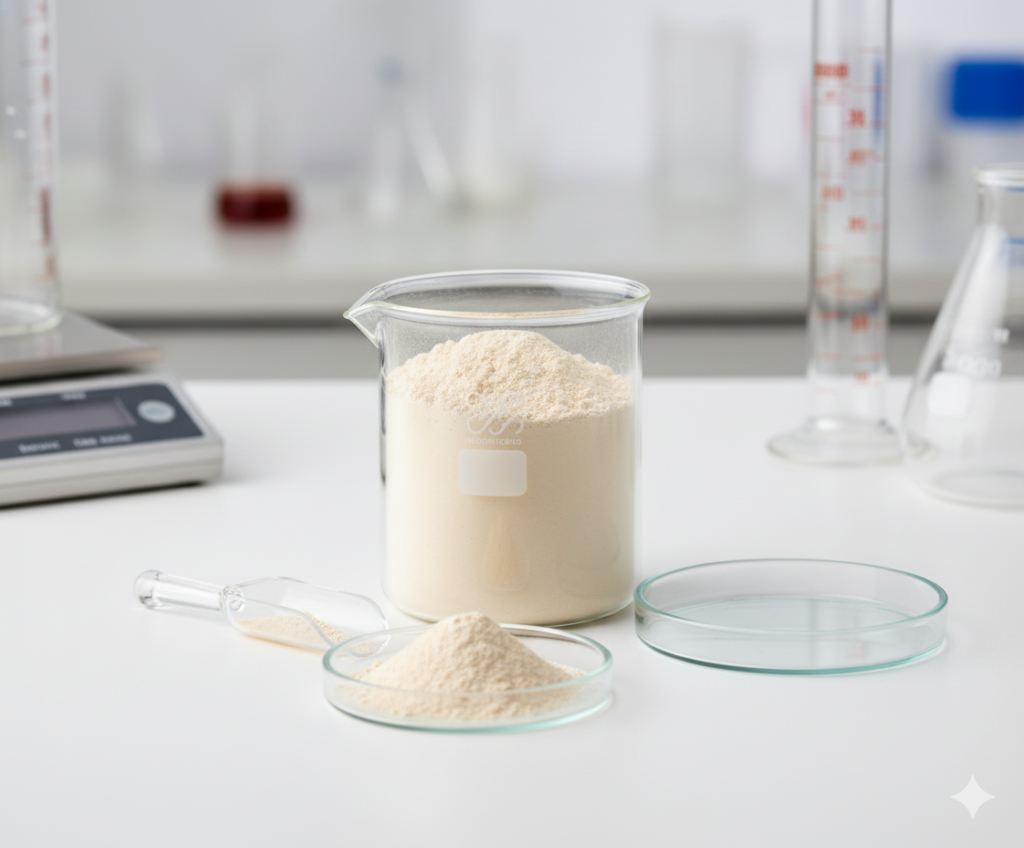
Earthworm protein powder is produced by carefully separating, cleaning, hydrolyzing or processing cultivated earthworms, then drying and milling the protein fraction. Depending on the process, you get:
- Intact protein powder for nutrition and formulation
- Protein peptides with smaller molecular weights
- Enzyme-rich fractions used mainly in pharma or medical nutrition
The end product is typically low in fat, naturally dense in essential amino acids, and easy to standardize when produced at scale. For manufacturers, that last part matters more than most people realize.
Global demand drivers you really can’t ignore
Here’s the thing. The rise of earthworm protein powder isn’t driven by a single industry. It’s a convergence.
- Protein diversification pressure in food and supplements
- Functional peptides gaining attention in pharma research
- Biologically active cosmetic ingredients replacing passive fillers
- Sustainability metrics becoming part of procurement decisions
Individually, these trends are manageable. Together, they push buyers toward ingredients that can tick multiple boxes without adding complexity downstream.
Earthworm protein happens to do that.
Food applications: quiet growth, steady logic
Food formulators tend to move cautiously. And honestly, that’s fair.
Earthworm protein powder is not being pitched as a novelty snack ingredient. Instead, its growth shows up in functional food and nutrition channels, especially:
- Protein blends for specialized diets
- Medical and elderly nutrition formulations
- High-protein powders where amino acid balance matters
- Hydrolyzed peptide systems for easier digestion
What makes it appealing isn’t shock value. It’s the digestibility and peptide profile, especially when hydrolysis is controlled. Compared to many traditional animal proteins, the absorption story is cleaner, which matters in clinical and nutrition-focused food products.
Pharma: this is where the real technical conversations happen
Pharmaceutical interest in earthworm protein powder is rarely about the powder itself. It’s about what comes out of it.
Researchers and formulators focus on:
- Bioactive peptides linked to cardiovascular support
- Enzymatic components associated with circulation and fibrinolytic activity
- Immunomodulatory peptide fractions
For pharma ingredient buyers, the appeal lies in structure–function relationships. Earthworm-derived peptides are small, active, and relatively stable when properly processed. That makes them easier to study, validate, and integrate into regulated formulations.
No hype here. Just biochemistry doing its job.
Cosmetics: where biology quietly replaces buzzwords
Cosmetic brands don’t always shout about earthworm protein, but it’s there.
In skin care, earthworm protein peptides are explored for:
- Skin barrier support
- Antioxidant activity
- Repair-focused formulations
- Conditioning effects in high-performance products
What’s interesting is how these ingredients fit modern cosmetic logic. Instead of heavy synthetics, brands lean toward biologically derived actives that work in low concentrations but deliver measurable effects.
From a formulator’s view, peptides from earthworm protein are predictable, water-soluble, and compatible with existing systems. That’s a win.
Regional market dynamics: different speeds, same direction
The global picture isn’t uniform, and that’s worth noting.
- East Asia has the most mature understanding, especially in pharma and functional nutrition.
- Europe focuses heavily on traceability, documentation, and cosmetic applications.
- North America moves cautiously but shows rising interest in peptides and enzymes rather than raw protein.
- Southeast Asia and the Middle East increasingly view earthworm protein as a scalable, efficient raw material for supplements and wellness products.
Different markets, same underlying logic: functional ingredients with a long-term supply story.
Manufacturing, standards, and supply chain reality
Here’s where things get real.
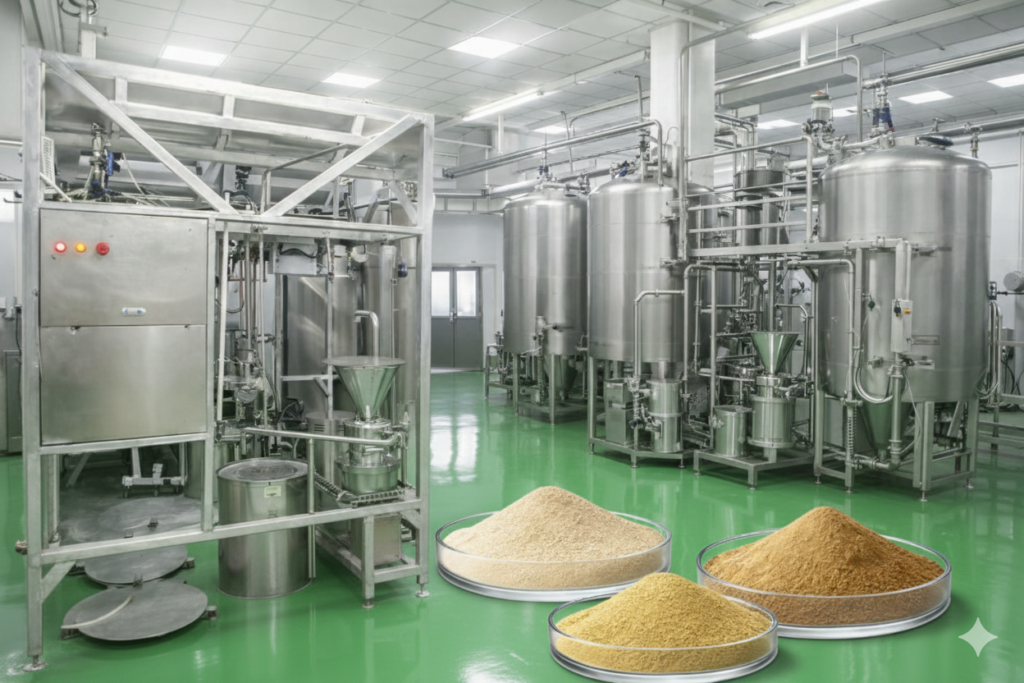
Earthworm protein powder is only as good as:
- Controlled cultivation
- Clean separation and processing
- Low-temperature drying
- Consistent peptide profiles
- Clear testing data
For B2B buyers, the biggest shift is from concept to compliance. Certificates, batch consistency, heavy metal limits, microbial control—these aren’t optional anymore.
Suppliers who treat earthworm protein like a serious ingredient, not a novelty, are the ones shaping this market.
Let’s talk friction, because pretending it doesn’t exist helps no one
Yes, there are challenges.
- Cultural perception still matters in certain consumer-facing products
- Regulatory pathways differ by region
- Education is often needed for downstream brands
- Processing expertise isn’t universal
But here’s the twist: most of these barriers sit above the ingredient level. At the B2B stage, once buyers understand the science and supply chain, resistance tends to soften fast.
Where the next five years seem to be heading
Honestly? Earthworm protein powder isn’t chasing mass-market fame. And that’s fine.
Its future sits in:
- Specialized nutrition
- Pharmaceutical intermediates
- High-performance cosmetic formulations
- Research-driven functional ingredients
As protein markets mature, buyers stop asking “Is this unusual?” and start asking “Does this work, consistently?” Earthworm protein powder increasingly answers yes.
Frequently Asked Questions
1. Is earthworm protein powder suitable for dietary supplement formulations?
Yes. Earthworm protein powder is widely used in dietary supplements, especially where high protein content, balanced amino acids, and functional peptides are required. Its digestibility makes it suitable for specialized nutrition products.
2. Why are pharmaceutical companies interested in earthworm protein peptides?
Pharmaceutical developers value earthworm protein peptides for their small molecular size, bioactivity, and stability. These properties support research into cardiovascular health, immune response, and enzyme-based formulations.
3. How is earthworm protein powder used in cosmetic products?
In cosmetics, earthworm protein peptides are incorporated into skin care formulas for barrier support, antioxidant activity, and repair-focused applications. They work well in low concentrations and integrate easily into existing systems.
4. Is earthworm protein powder considered a sustainable ingredient?
Yes. Earthworm cultivation has high protein conversion efficiency and relatively low environmental burden compared to traditional livestock, making it attractive for sustainability-driven supply chains.
5. What should buyers look for when sourcing earthworm protein powder?
Key factors include production transparency, peptide profile consistency, testing documentation, microbial safety, and supplier experience in food, pharma, or cosmetic applications.