Earthworm protein powder sounds like one of those ideas people bring up at trade shows just to see who flinches first. You can almost hear it: “Wait… earthworms?”
And yet, once the initial surprise fades, something interesting happens. The conversation shifts. Questions get sharper. Buyers lean in. Formulators start doing quiet math in their heads. Because beneath the novelty, there’s a serious ingredient story unfolding—one that touches nutrition science, sustainable sourcing, functional peptides, and even pharmaceutical-grade bioactives.
So let’s talk about why earthworm protein powder is not a gimmick, not a curiosity, and definitely not just a headline grabber. It’s a functional raw material with depth, history, and commercial logic.
The Ingredient Everyone Underestimated
Here’s the thing. Earthworms have been around forever—literally hundreds of millions of years. They’ve survived mass extinctions, climate shifts, and ecological upheavals. That alone tells you something about biological efficiency.
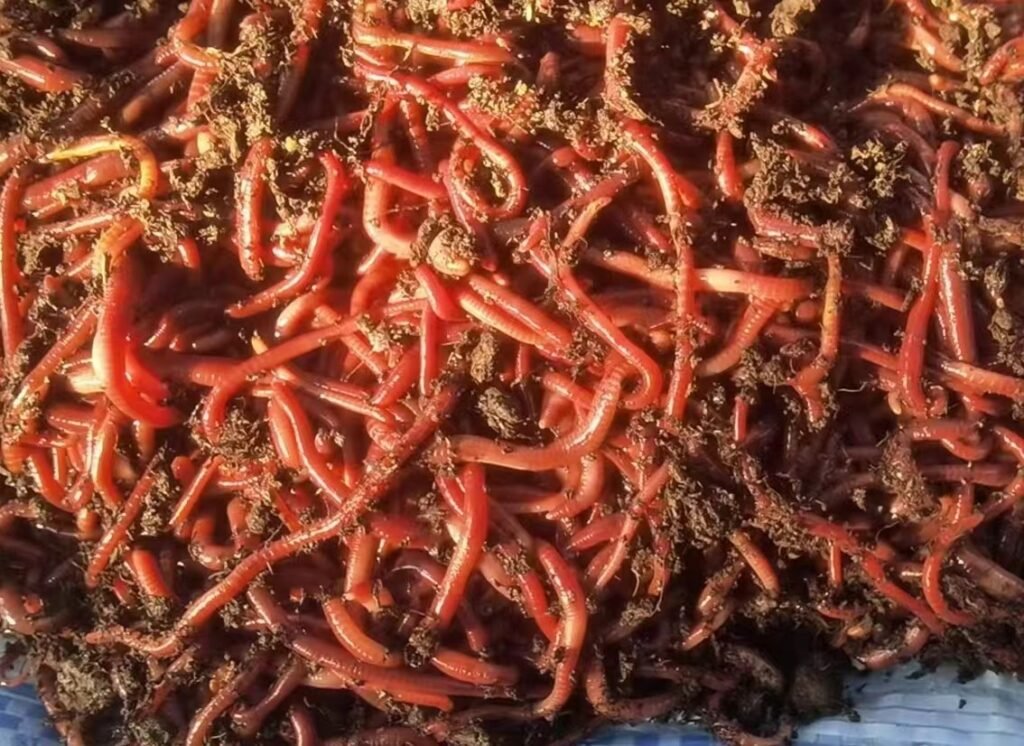
From a biochemical point of view, earthworms are protein-dense organisms. On a dry-weight basis, earthworm protein content commonly lands in the 60–70% range, with relatively low fat and a well-balanced amino acid profile. That puts it in the same league as established animal proteins—sometimes ahead of them.
What’s surprising is not the protein level itself, but how that protein behaves when processed correctly.
Not Just Protein—A Peptide Factory
Most protein powders are judged by basic metrics: protein percentage, solubility, taste masking, cost per kilo. Earthworm protein powder plays that game—but it also brings something extra to the table.
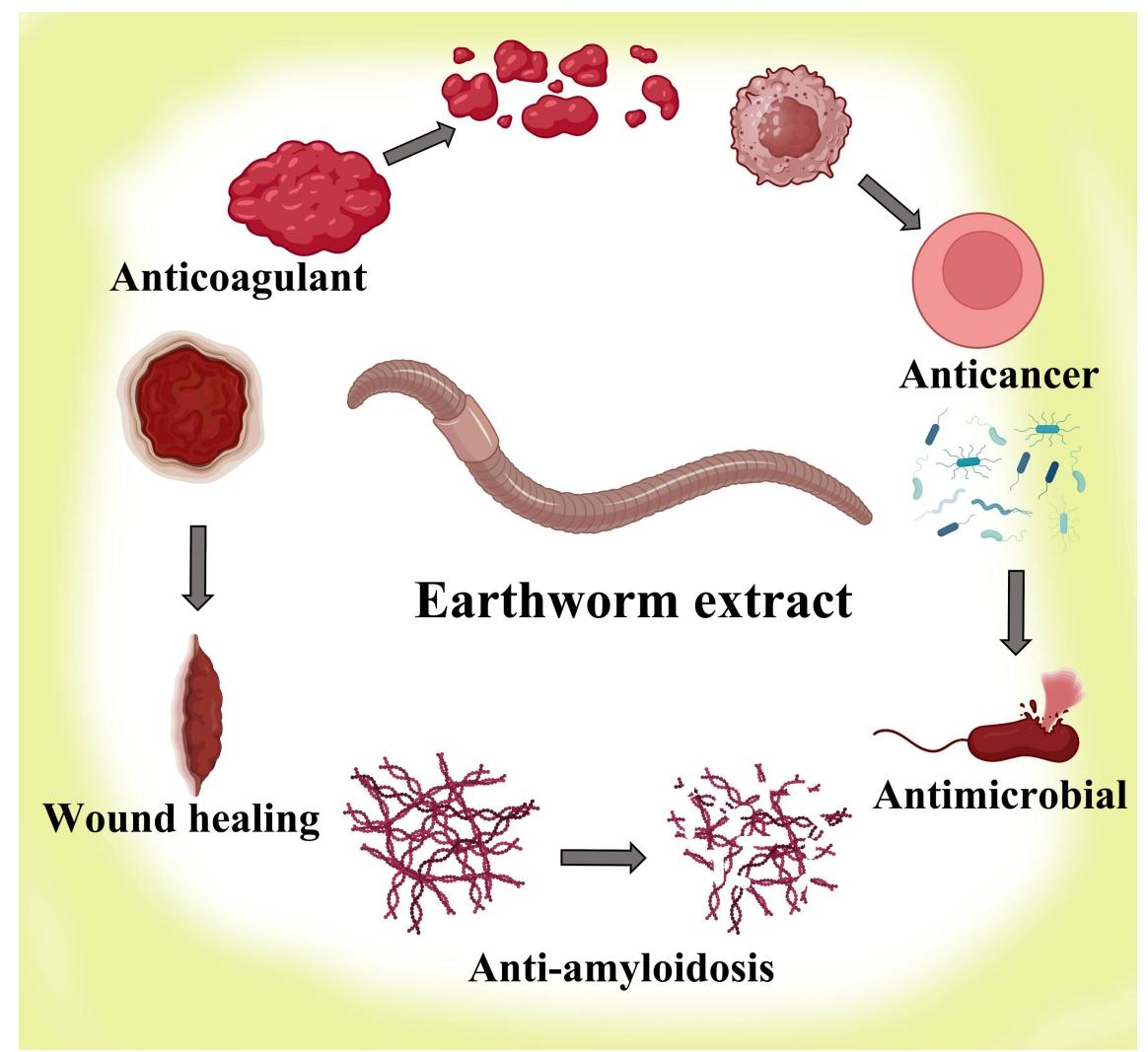
When earthworm protein undergoes controlled enzymatic hydrolysis (or even simulated gastrointestinal digestion), it releases small-molecular-weight peptides. These aren’t random fragments. Many show targeted biological activity.
We’re talking about peptides linked to:
- ACE inhibition (relevant to blood pressure management)
- Antioxidant activity
- Immune modulation
- Fibrinolytic support, often associated with earthworm-derived enzymes like lumbrokinase
That’s why formulators in dietary supplements and nutraceuticals don’t see this as a single-function protein. They see a platform ingredient—one raw material that can serve nutrition, functionality, and positioning all at once.
Honestly, that’s rare.
A Quick Reality Check on “Novel”
People often label earthworm protein as “novel,” but that depends on your reference point.
In East Asia, earthworm-derived materials—often referred to as Di Long—have a documented history in traditional applications stretching back thousands of years. Modern science didn’t invent this ingredient; it just gave us better tools to isolate, standardize, and understand it.
What is new is how earthworm protein powder fits into global B2B supply chains today:
- GMP-controlled processing
- Standardized protein and peptide specifications
- Application testing in food, supplements, cosmetics, and pharma-adjacent products
So yes, it may be novel to Western buyers. But biologically and industrially? It’s surprisingly mature.
Why Manufacturers Are Paying Attention Now
You know what changed? Pressure. On multiple fronts.
1. Protein Sourcing Is Under Scrutiny
Traditional animal proteins come with baggage—land use, feed efficiency, emissions, price volatility. Earthworm farming, by contrast, is relatively low-impact and efficient. Earthworms convert organic matter into biomass with impressive efficiency, and their cultivation footprint is small.
That matters more than ever.
2. Functional Claims Are Getting Harder
It’s no longer enough to say “high protein.” Brands want structure–function logic. They want ingredients that can be linked—carefully and compliantly—to mechanisms. Earthworm protein peptides give R&D teams something tangible to work with.
3. Consumers Are Weirdly Ready
This surprises people. End consumers may not love the word “earthworm,” but they do love:
- Clean labels
- Bioactive peptides
- Science-backed differentiation
With the right positioning (and let’s be honest, smart branding), acceptance barriers drop fast.
Earthworm Protein vs. Other Alternative Proteins
Let’s line it up mentally.
- Plant proteins: scalable, familiar, but often limited by amino acid balance and digestibility.
- Insect proteins: promising, but allergen concerns and regulatory fragmentation remain.
- Fermentation-derived proteins: exciting, expensive, still scaling.
Earthworm protein powder sits in an unusual middle space. It’s animal-derived, yes—but with high digestibility, low fat, and peptide functionality that’s already well-documented in the literature.
And unlike some alternative proteins, it doesn’t need heavy flavor masking for non-food applications. In capsules, tablets, sachets, or cosmetic actives, sensory issues are manageable.
From Powder to Possibility: Application Snapshots
This is where things get practical.
Dietary Supplements
Earthworm protein powder works as:
- A standalone protein source in niche formulations
- A peptide-rich base for cardiovascular or antioxidant positioning
- A synergistic carrier alongside minerals or botanical extracts
Nutraceutical Ingredients
Hydrolyzed fractions are particularly interesting here. Low-molecular-weight peptides with defined activity profiles fit well into premium nutraceutical stacks.
Pharmaceutical Ingredients
Let’s be clear—earthworm protein powder itself isn’t a drug. But its derivatives, including purified enzymes and peptides, are already used as pharmaceutical raw materials in certain markets.
That credibility spills over.
Cosmetics and Personal Care
Protein hydrolysates and peptides are prized for skin-conditioning, barrier support, and antioxidant roles. Earthworm-derived peptides are quietly entering R&D pipelines here, especially in Asia.
Processing Matters More Than Origin
Here’s a mild contradiction worth explaining.
Earthworm protein is powerful—but only when processed properly.
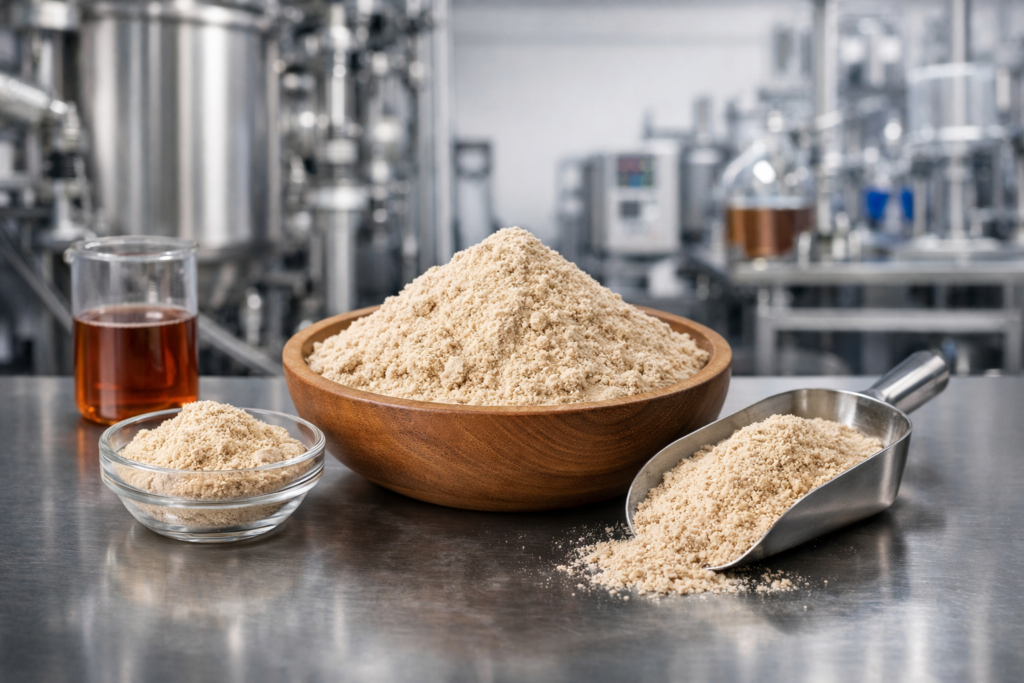
Poor raw material handling, uncontrolled hydrolysis, or inconsistent drying can destroy bioactivity. High-quality suppliers invest heavily in:
- Source control (specific earthworm species)
- Gentle extraction
- Low-temperature drying
- Peptide profiling and batch consistency
That’s why buyers who treat earthworm protein powder as a commodity usually walk away unimpressed. Those who treat it as a functional system tend to stay.
The Sustainability Angle No One Expected
You know what? Sustainability isn’t just a marketing checkbox here.
Earthworm cultivation often integrates with waste recycling systems—processing agricultural byproducts into high-value biomass. The byproducts of earthworm farming (like vermicompost) also improve soil health.
So the protein powder is just one output of a circular system. That resonates strongly with ESG-focused buyers, especially in Europe.
Addressing the “Ick” Factor—Briefly
Let’s not pretend it doesn’t exist.
Yes, some people react emotionally to the idea of earthworm-derived ingredients. But B2B buyers are pragmatic. Once they see:
- Data
- Specifications
- Applications
- Market demand
…the emotional response fades. Fast.
We’ve seen this pattern before with collagen, organ extracts, even algae. Familiarity grows. Resistance shrinks.
Looking Ahead: Not a Trend, a Category
Earthworm protein powder isn’t going to replace whey or soy. That’s not the point.
Its role is more specific—and more durable:
- Functional differentiation
- Peptide-driven innovation
- Cross-industry applications
As regulatory frameworks clarify and processing technology improves, expect to see earthworm protein quietly embedded in more formulations, often without fanfare.
And that’s usually how serious ingredients win.
Frequently Asked Questions
1. Is earthworm protein powder safe for use in dietary supplements?
Yes, when sourced from controlled farming systems and processed under food- or pharma-grade standards, earthworm protein powder is considered safe. Quality control, species selection, and compliance with local regulations are essential.
2. What makes earthworm protein powder different from other animal proteins?
Its high peptide yield after hydrolysis sets it apart. Earthworm protein releases bioactive peptides linked to antioxidant, ACE-inhibitory, and immune-related functions more readily than many conventional proteins.
3. Can earthworm protein powder be used in vegan products?
No. Earthworm protein is animal-derived. However, it appeals strongly to formulators looking beyond traditional livestock-based proteins for sustainability or functionality reasons.
4. Does earthworm protein powder contain lumbrokinase?
Standard protein powder may contain trace enzymatic activity, but purified lumbrokinase is usually produced as a separate, highly controlled extract. Always check specifications if enzyme activity is required.
5. What industries are most actively adopting earthworm protein powder?
Dietary supplements, nutraceutical ingredients, pharmaceutical raw materials, and increasingly cosmetics manufacturers are exploring earthworm protein powder for its functional and commercial advantages.