Finding an earthworm peptide powder supplier isn’t hard.
Finding one you can trust for the next three, five, or ten years? That’s the real work.
For supplement brands, nutraceutical ingredient buyers, cosmetic formulators, pharmaceutical ingredient distributors, and health product manufacturers, raw material sourcing is never “just buying powder.” It’s closer to choosing a business partner who sits quietly inside your product label, your production schedule, your customer reputation, and yes, your sleep quality too.
Because when a supplier misses delivery, changes specs without warning, or sends inconsistent batches, the damage doesn’t stay in the warehouse. It moves into your formulation room. Then your sales team. Then your customer complaints.
Not fun.
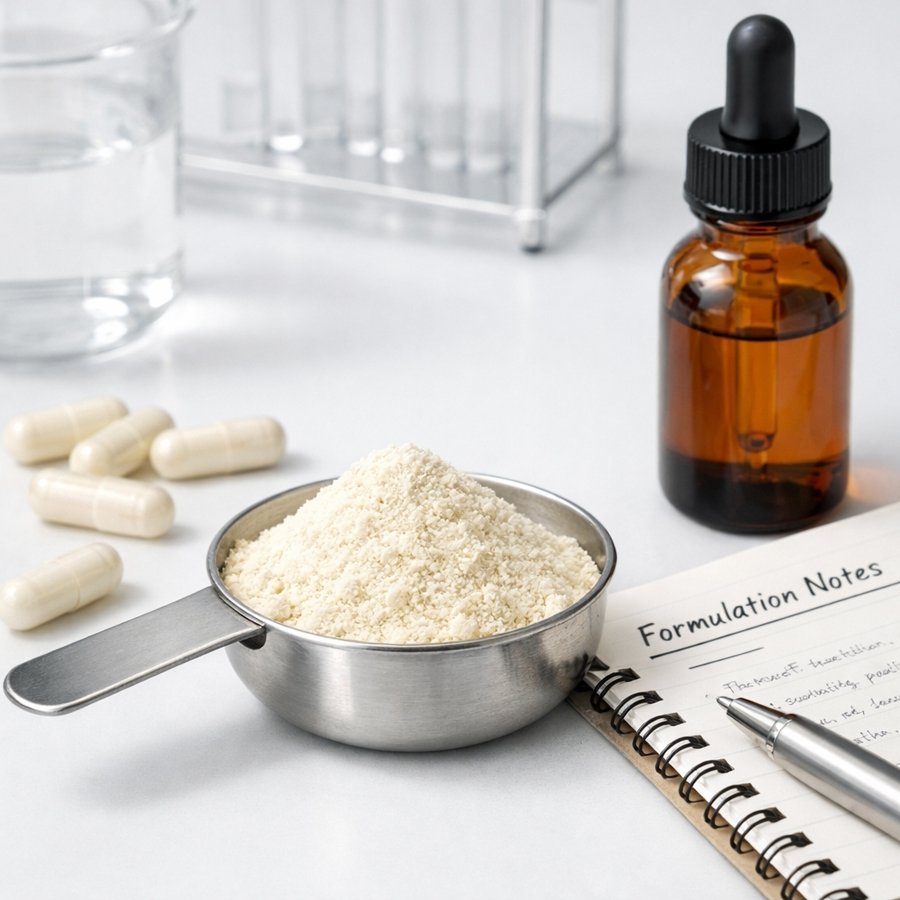
Earthworm peptide powder is a specialized bioactive ingredient derived from earthworm protein through controlled enzymatic hydrolysis. It is commonly positioned as a stable, non-enzymatic peptide ingredient for supplements, functional foods, beverages, advanced nutrition formulas, and related health product applications. Research on earthworm protein digestion products has also identified antioxidant peptides and ACE inhibitory peptides, giving this material growing scientific interest in functional ingredient development.
So, how do you build a long-term partnership with an earthworm peptide powder supplier instead of hopping from one quotation to another?
Let’s talk about the practical side.
First, Don’t Treat the Supplier Like a Price List
Here’s the thing: bulk ingredient sourcing often begins with a simple question.
“What’s your price per kg?”
Fair question. Everyone has a budget. But if price is the only thing discussed, the relationship starts on thin ice.
A good earthworm peptide powder supplier should be able to explain what they produce, how they control the process, what specifications they can provide, and how they handle repeat orders. The price matters, of course. But price without quality stability is like buying cheap tires for a long road trip. You may save money at the start, but you’ll feel every bump later.
For B2B buyers, the better opening questions are:
- What is the protein content and peptide content?
- Is the product enzymatic or non-enzymatic after processing?
- What is the typical molecular weight range?
- Can the specification be customized?
- What documents are available before order confirmation?
- What is the lead time for samples and bulk orders?
These questions tell the supplier you’re not just browsing. You’re building.
And good suppliers notice that.
Quality Clarity Comes Before Quantity
Long-term cooperation starts with one boring but beautiful word: clarity.
Earthworm peptide powder can vary by raw material source, hydrolysis method, filtration process, drying conditions, and final specification. Even small differences may affect solubility, taste, color, odor, stability, and performance in finished products.
For example, Allworms positions its earthworm peptide powder as a small-molecule bioactive peptide made through controlled enzymatic hydrolysis and spray drying. The product is described as high-protein, low-fat, stable, and non-enzymatic after processing, with protein content above 65% and peptide content above 30%.
That kind of clarity matters.
Why? Because a capsule manufacturer, beverage developer, and cosmetic raw material buyer may not need the exact same grade. A capsule formula may care more about flowability and assay consistency. A beverage buyer may care about solubility and taste masking. A cosmetic supplier may care about safety documents, heavy metals, and microbiological control.
Same ingredient family. Different worries.
A reliable supplier should understand that.
Ask About the Production Process, Not Just the Final Powder
You know what? A COA is important, but it’s only the final snapshot.
The production process is the movie.
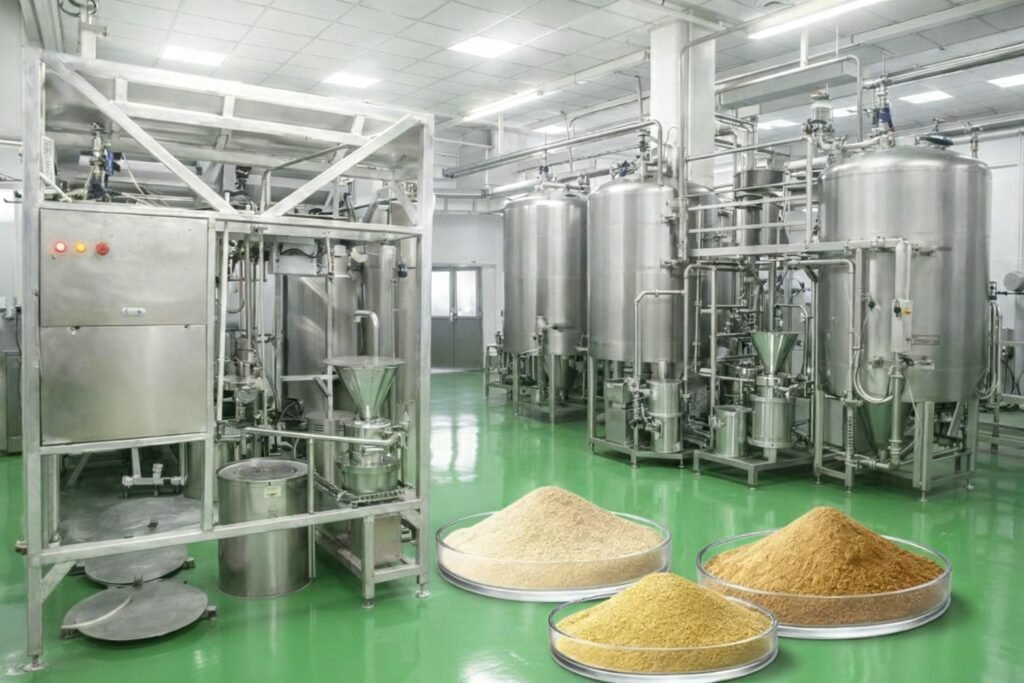
A serious earthworm peptide powder supplier should have a controlled manufacturing route, from raw material selection to cleaning, hydrolysis, filtration, drying, sterilization, and packaging. For earthworm-based ingredients, raw material control is especially important because upstream breeding, cleaning, and processing can directly affect quality.
According to the production information provided for earthworm protein, processing may include earthworm selection, separation from soil and impurities, secondary cleaning, hydrolysis, centrifugal filtration, low-temperature drying, crushing, sterilization, and packaging.
For peptide powder, the key steps often include:
- Raw material selection
- Controlled enzymatic hydrolysis
- Filtration and purification
- Spray drying
- Sterilization
- Packaging and storage
Spray drying deserves a little attention here. In peptide production, drying is not just “removing water.” It affects stability, shelf life, powder form, and handling. For non-enzymatic earthworm peptide powder, spray drying also supports stable storage and easier formulation in capsules, powders, and beverages.
That’s why buyers should ask about the process before talking about container loads.
A clean process leads to clean cooperation.
Batch Consistency Is the Real Test of Partnership
A first sample can look great.
The second batch tells the truth.
Long-term partnerships depend on repeatability. Your supplier should be able to provide stable batch quality, not just one beautiful sample made for approval. In peptide ingredients, consistency can include protein content, peptide content, moisture, ash, color, smell, microbial limits, heavy metals, and molecular weight distribution.
Honestly, this is where many buyer-supplier relationships break down.
The buyer approved one batch. The second batch came darker. The third had a different smell. The fourth dissolved more slowly. Then everyone starts forwarding emails at midnight.
Not ideal.
To reduce this risk, build a simple batch comparison system from the beginning. Keep records of:
- Sample COA
- Bulk order COA
- Appearance photos
- Odor notes
- Solubility notes
- Retained samples
- Production date and batch number
It sounds basic. It works.
A dependable earthworm peptide powder supplier should welcome this kind of tracking. If they feel annoyed by quality questions before you place a large order, that’s a little red flag waving in the wind.
Specifications Should Be Discussed Early — Very Early
Some buyers wait too long to talk about specifications.
They ask for price, delivery, sample, and packaging first. Then, after two weeks, they ask whether the peptide content can be adjusted or whether a lower molecular weight range is available.
That slows everything down.
Earthworm peptide powder can be positioned for several product types, including dietary supplements, functional beverages, protein drinks, powder blends, and advanced nutrition systems. Each product type may require different technical targets.
So, before placing an order, discuss:
Protein content
Peptide content
Molecular weight range
Moisture limit
Ash limit
Heavy metals
Microbiological limits
Solubility
Packaging size
Shelf life
Storage conditions
Regulatory market
Labeling needs
For global buyers, regulatory market matters a lot. A formula intended for the United States may have different document expectations from one intended for Europe, Southeast Asia, or the Middle East. The supplier doesn’t need to make legal claims for your market, but they should support you with honest documents and clear product information.
And please, avoid vague language.
“High quality” is not a specification.
“Protein ≥65%, peptide content >30%, moisture controlled, heavy metals tested, microbiology tested” is much better.
Documentation Builds Trust Faster Than Big Promises
In B2B ingredient trade, documents are like the passport of the product.
No documents, no movement.
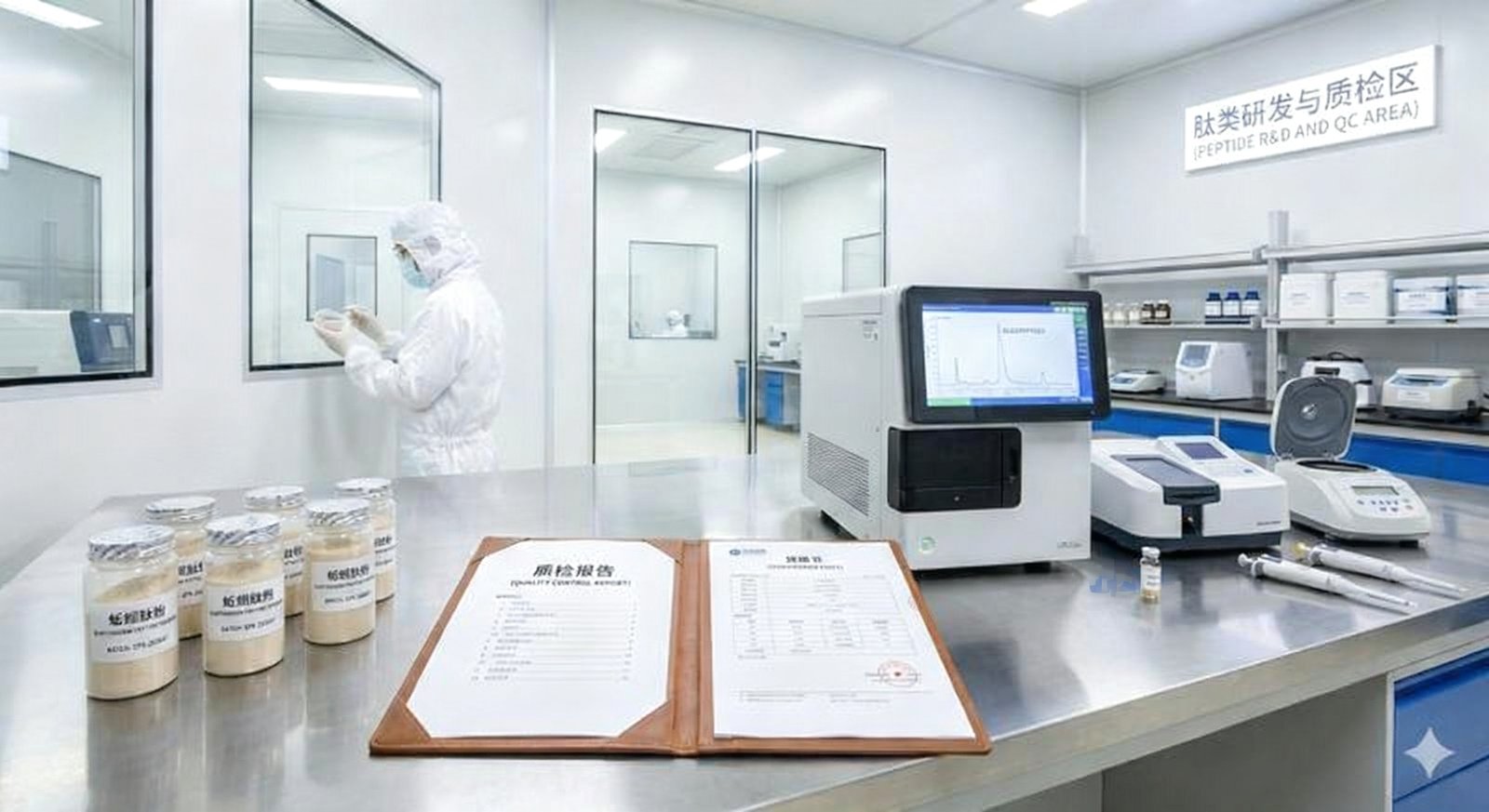
A long-term earthworm peptide powder supplier should provide proper technical and trade documents according to order stage. These may include:
- COA
- Specification sheet
- Product introduction
- Flow chart
- MSDS, if available
- Testing report
- Packing information
- Shelf-life statement
- Storage guidance
- Invoice and packing list for shipment
For health supplement and nutraceutical buyers, COA review is especially important. It’s not just paperwork. It tells you whether the batch meets the agreed standard.
For example, earthworm peptide powder specifications may cover appearance, source, protein content, peptide content, moisture, ash, heavy metals, aerobic plate count, molds and yeasts, coliforms, Salmonella, and Staphylococcus aureus.
A professional supplier should be comfortable sending documents before you commit to bulk purchasing. Not every document will be available for every market, especially for developing ingredient categories, but honesty matters. A supplier who clearly says what they have, what they’re improving, and what can be tested is usually safer than one who says “yes” to everything.
Because “yes” is easy.
Proof is harder.
Samples Are Not Gifts; They’re Mini Partnerships
A sample order may look small, but it carries big meaning.
For many buyers, 100 g or 500 g of earthworm peptide powder is the first real test. Can the supplier prepare it quickly? Is the label clear? Is the COA included? Does the powder match the description? Is the packaging clean? Does the supplier communicate shipping details well?
That small parcel says a lot.
Before requesting a sample, the buyer should explain the intended test:
- Formula trial
- Solubility test
- Sensory evaluation
- Lab assay
- Stability check
- Customer presentation
- Internal R&D screening
This helps the supplier prepare the right grade and documents.
For the supplier, sample handling should feel professional, not casual. Even a free sample should be packed carefully, labeled clearly, and shipped with tracking information.
A sample is often where trust begins. Tiny box, big signal.
Talk About MOQ and Lead Time Like Adults
Nobody enjoys vague delivery promises.
“Soon” is not a lead time.
For long-term partnerships, MOQ and lead time should be discussed openly. A buyer may need small trial quantities at first, then larger batches after formula approval. A supplier may need production planning time, especially if the buyer requests customized molecular weight or special packaging.
A reasonable discussion may include:
- Sample quantity
- Trial order quantity
- Bulk MOQ
- Standard lead time
- Custom specification lead time
- Payment terms
- Shipping method
- Export documents
- Destination country
- Seasonal production pressure
Earthworm peptide powder is not a generic commodity like sugar or salt. It has raw material, processing, and QC requirements. Good planning protects both sides.
And yes, sometimes buyers push for urgent delivery. That’s business. But if every order is urgent, the partnership becomes stressful. Forecasting helps. Even a simple three-month demand estimate can help the supplier reserve production capacity and packaging materials.
No drama. Just planning.
Don’t Ignore Logistics and Storage
A good supplier relationship can still suffer if shipping is messy.
Earthworm peptide powder should usually be stored in a cool, dry place, sealed well, and protected from moisture. Packaging often includes inner bags and cartons, with shelf life depending on the product and storage conditions. Allworms’ product information lists a two-year shelf life under proper storage for earthworm peptide powder.
For international trade, buyers and suppliers should confirm:
- Shipping method: air, express, sea, or DDP service
- Packaging size: 1.5kg bag, 9 kg carton, or customized
- Labeling requirements
- Customs declaration details
- Import requirements
- Temperature and humidity considerations
- Delivery address type: warehouse, lab, office, or freight forwarder
This may sound like ordinary logistics talk, but it prevents expensive confusion.
A peptide powder sitting in a humid warehouse with poor sealing is not a good story. Neither is a shipment delayed because the consignee information was incomplete.
The less glamorous details often decide whether the partnership feels smooth.
Formulation Support Makes a Supplier More Valuable
Some suppliers only sell material.
Better suppliers help you use it.
For earthworm peptide powder buyers, formulation questions are common. Can it be used in capsules? Is it suitable for powder blends? Can it work in beverages? Does it have a special smell? Does it need flavor masking? Is it stable after spray drying? Can molecular weight be adjusted?
Allworms describes earthworm peptide powder as suitable for nutraceutical formulations, functional foods and beverages, protein drinks, powder blends, capsules, and advanced nutrition systems, with stable non-enzymatic characteristics after spray drying.
That non-enzymatic point matters.
Unlike active enzyme ingredients, peptide powder does not depend on enzyme activity for its product identity. This can make it easier to formulate in many product types because there is no enzyme activity loss issue during normal processing. Of course, each final product still needs its own stability and compatibility testing.
A supplier with formulation awareness can help buyers avoid mistakes early. That saves time. It also saves awkward internal meetings.
Science Helps, But Don’t Overclaim
Earthworm peptide powder has an interesting scientific background.
Studies have identified antioxidant peptides from earthworm protein digestion products, including peptides such as AFWYGLPCKL, WPWQMSLY, and GCFRYACGAFY, which showed strong antioxidant activity in experimental systems. Research has also identified ACE inhibitory peptides from earthworm protein gastrointestinal digestion products, including SSPLWER and RFFGP, with competitive ACE inhibitory activity in vitro.
That’s useful for ingredient positioning.
But here’s the caution: research findings are not the same as finished product claims.
For B2B cooperation, suppliers and buyers should discuss science responsibly. It’s fine to talk about antioxidant peptide research, functional food potential, peptide absorption, and formulation value. It’s not wise to make aggressive disease claims for dietary supplements or cosmetic ingredients without regulatory review.
A mature supplier won’t push you into risky marketing language.
A mature buyer won’t demand it.
That’s how trust stays clean.
Communication Is a Quality Control Tool Too
People often think quality control happens only in the lab.
Not true.
Communication is part of quality control.
A strong long-term partnership needs clear, steady communication between purchasing, sales, QC, production, logistics, and R&D teams. If one side disappears for two weeks during a sample test, the relationship cools. If the supplier changes packaging without notice, trust takes a hit. If the buyer changes the specification after production starts, the supplier gets squeezed.
Simple habits help:
- Confirm every specification in writing
- Share COA before shipment
- Send product photos before dispatch
- Give tracking details quickly
- Keep retained samples
- Discuss complaints calmly
- Review repeat orders after delivery
- Notify both sides before any process or packaging change
This isn’t fancy. It’s just good business manners.
And in specialized ingredients, good manners can be worth more than a tiny discount.
Price Negotiation Should Leave Room for Stability
Everyone wants a better price.
Sure.
But if the negotiated price is too low to support stable raw material sourcing, quality testing, proper packaging, and reliable delivery, the buyer may win the quote and lose the partnership.
That’s a bad bargain.
Long-term pricing should consider:
Raw material cost
Production cost
Testing cost
Packaging cost
Customization cost
Order volume
Forecast stability
Payment terms
Shipping method
Market demand
A fair supplier will give better pricing for larger or repeat orders. A serious buyer will understand that high-quality earthworm peptide powder cannot be judged only by the lowest kg price.
Think of it like choosing a contract manufacturer. You don’t only ask, “Who is cheapest?” You ask, “Who can keep my product safe, stable, and available?”
Same logic here.
Build Forecasts, Not Fire Drills
A long-term buyer should not treat every order like an emergency.
Of course, urgent orders happen. A customer launches early. A distributor suddenly needs stock. A production slot opens. We’ve all seen it.
But stable partnerships grow better with forecasts.
Even a rough forecast helps your supplier manage raw material, production, testing, and export packing. For example:
Month 1: sample testing
Month 2: pilot order
Month 3–4: first commercial batch
Month 5–6: repeat order based on sales
This gives both sides breathing room.
It also helps with custom specifications. If you need lower molecular weight peptides or a special packaging format, the supplier may need more time. Planning early reduces stress and cost.
No one wants procurement to feel like firefighting every Friday afternoon.
Visit, Audit, or At Least Video Call
For serious buyers, factory visits or supplier audits can help build confidence.
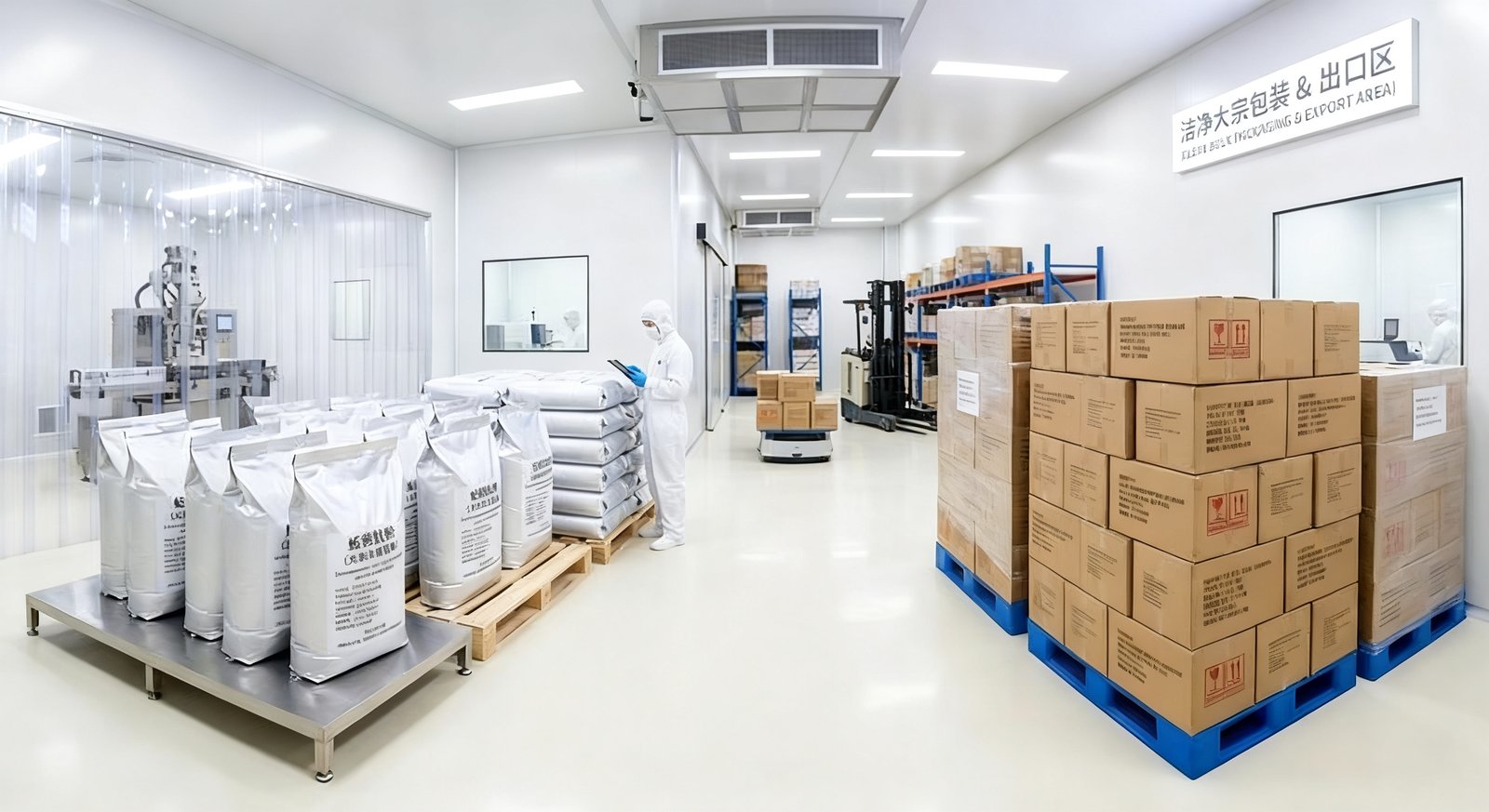
If visiting is not possible, a video call can still show a lot. Ask to see production areas, packing areas, sample rooms, warehouse conditions, and QC documents. Of course, suppliers may not show every confidential process, and that’s normal. But they should be able to demonstrate basic production capability and quality control awareness.
For earthworm peptide powder, you may want to understand:
- Raw material control
- Cleaning process
- Hydrolysis process
- Drying method
- Batch record system
- Testing workflow
- Packaging room
- Storage conditions
- Export handling experience
This is not about being difficult. It’s about reducing risk before larger cooperation.
A strong supplier will respect that.
Protect Both Sides with Clear Agreements
Once sample testing is successful, don’t rely on memory.
Write things down.
A long-term earthworm peptide powder supply agreement may include:
- Product name and specification
- Testing items
- Packaging format
- MOQ
- Lead time
- Price validity
- Payment terms
- Shipping terms
- Complaint handling
- Retained sample policy
- Change notification
- Confidentiality terms
- Forecast expectations
This doesn’t always need to be a huge legal document. For many trading relationships, a clear purchase contract, proforma invoice, and technical specification sheet are enough at the beginning.
But clarity protects friendship.
And yes, business friendship is a real thing. It’s built through repeat deliveries, honest replies, and no unpleasant surprises.
Choose a Supplier Who Thinks Beyond One Product
Earthworm peptide powder may be your first purchase, but not your last.
Many buyers also explore related ingredients such as earthworm protein powder, lumbrokinase powder, and custom earthworm peptide specifications for different formulation lines. A supplier with a wider earthworm biotechnology product chain may support future product development more easily.
For example, earthworm protein powder is often positioned as a protein-rich functional ingredient for supplements, functional foods, and animal nutrition, while lumbrokinase is positioned as a fibrinolytic enzyme ingredient for circulation-focused formulations.
This product-chain thinking matters for brands planning a full portfolio.
Maybe you start with peptide powder for a capsule line. Later, you develop a protein blend, a beverage powder, or a circulation-support formula. Working with one technically capable supplier can save time because they already understand your quality expectations, document style, and purchasing rhythm.
That’s how a supplier becomes part of your growth, not just your vendor list.
Final Thoughts: Good Partnerships Feel Boring — In the Best Way
The best supplier relationships are not dramatic.
They’re steady.
The sample arrives. The COA matches. The powder performs as expected. The supplier replies clearly. The second batch looks like the first. The shipment leaves on time. Problems, when they happen, are handled quickly and honestly.
That’s the dream, right?
For earthworm peptide powder buyers, long-term partnership comes down to a few simple but serious things: quality clarity, stable production, honest documentation, realistic lead time, formulation support, and communication that doesn’t vanish when something gets complicated.
A good supplier won’t just sell you earthworm peptide powder.
They’ll help you build products that keep working batch after batch, season after season, order after order.
And in the ingredient business, that kind of reliability is gold.
FAQs
1. How do I choose a reliable earthworm peptide powder supplier for bulk orders?
Choose a supplier that can provide clear specifications, COA documents, stable batch quality, production process details, sample support, and realistic lead times. For bulk earthworm peptide powder purchasing, consistency matters more than the lowest price.
2. What documents should an earthworm peptide powder supplier provide?
A professional supplier should provide a COA, specification sheet, product information, packaging details, shelf-life statement, and shipping documents. Depending on your market, you may also request testing reports, flow charts, or safety-related documents.
3. Why is non-enzymatic earthworm peptide powder easier to formulate?
Non-enzymatic earthworm peptide powder does not rely on active enzyme activity, so it is generally more stable in capsules, powders, and beverage formulas. This makes it easier for supplement and functional food manufacturers to manage product consistency.
4. What specifications should buyers confirm before ordering earthworm peptide powder?
Buyers should confirm protein content, peptide content, molecular weight range, moisture, ash, heavy metals, microbiological limits, appearance, smell, solubility, packaging size, storage conditions, shelf life, MOQ, and lead time.
5. Can earthworm peptide powder suppliers support custom specifications?
Many specialized suppliers can support custom earthworm peptide powder specifications, such as adjusted peptide content, molecular weight range, packaging format, or formula-oriented requirements. Custom work should be discussed early because it may affect lead time and pricing.