
Before importing bulk lumbrokinase powder into the United States, confirm who will act as the customs importer of record, who will serve as the FDA Foreign Supplier Verification Programs (FSVP) importer when required, and what your broker needs to file the shipment. Ask USDA’s Animal and Plant Health Inspection Service (APHIS) how its earthworm-related import requirements apply to the exact enzyme preparation. In parallel, have your regulatory team assess the intended supplement use and your manufacturer define how it will release the incoming lot.
Lumbrokinase is an earthworm-derived fibrinolytic enzyme ingredient. A US brand purchasing it in bulk needs the supplier, broker, regulatory team, and receiving manufacturer to work from the same product identity and intended use. For background on the ingredient and how its activity is characterized, see What Is Lumbrokinase? Source, Activity and B2B Supply Guide.
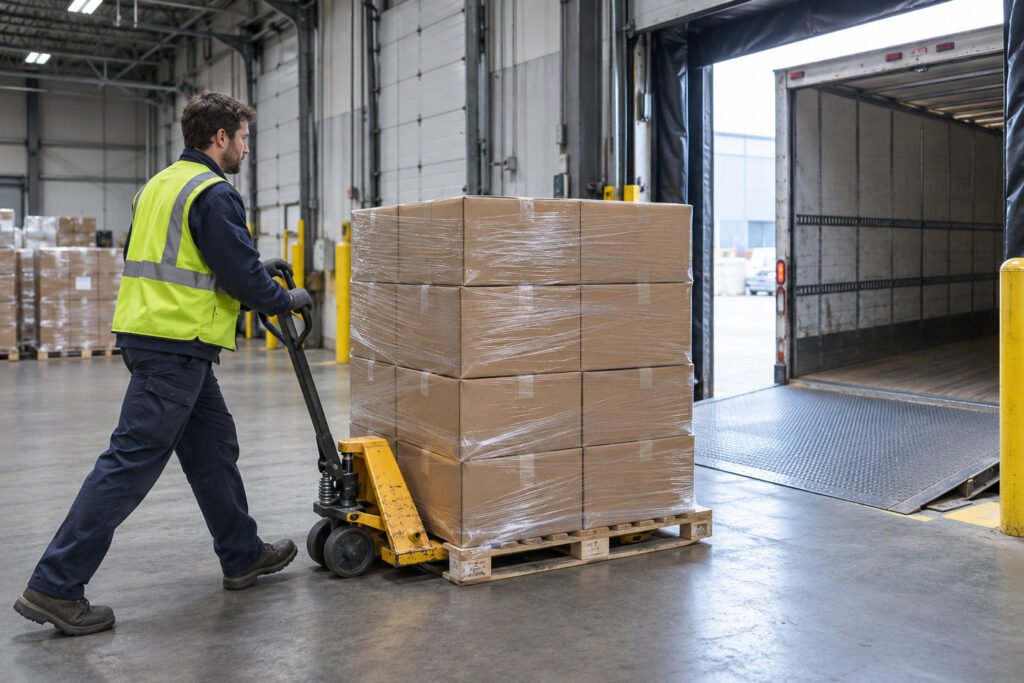
1. Who Will Act as the Importer?
Ask for the legal entity name for each role before booking freight. If a supplier offers Delivered Duty Paid (DDP), obtain the names in writing and confirm them with the parties involved. The shipping term describes the commercial delivery arrangement. The applicable customs and FDA rules determine who can perform the import roles.
| Role | What to settle before shipment |
|---|---|
| Customs importer of record | Confirm who will be named on the CBP entry and who will review the tariff classification, customs value, country of origin, and any applicable duty or bond. |
| FSVP importer | Identify the eligible US entity, determine the applicable FSVP pathway, and confirm who will maintain records and supply the entry identifiers. |
| Customs broker or authorized filer | Confirm who will file the entry and who will submit FDA Prior Notice when required. Name the contact who will respond if an agency requests more information. |
| Receiving manufacturer or quality team | Confirm the delivery address, lot identification, receiving status, and person authorized to release the ingredient for use. |
For FSVP, the importer is generally the US owner or consignee at entry. FDA uses that term for a US person who owns the food, has purchased it, or has agreed in writing to purchase it at that time. If there is no such party, a US agent or representative of the foreign owner or consignee may serve with signed consent. A contract manufacturer’s delivery address alone is insufficient to establish its FSVP role. FDA
2. Which FSVP Requirements Apply to This Order?
Bulk powder purchased for further manufacture may be evaluated as a dietary supplement component. Under 21 CFR § 1.511(a), modified FSVP requirements may apply when the importer is subject to the relevant dietary supplement component specification requirements and complies with the corresponding verification requirements under Part 111. Entry identification still applies under that pathway.
Section 1.511(b) addresses an arrangement in which the importer’s customer meets the relevant specification and verification requirements. This pathway includes obtaining written assurance from that customer annually and following applicable recordkeeping and entry identification requirements. A brand buying the powder and sending it to a contract manufacturer should review whether its actual arrangement meets those conditions. If neither provision applies, assess the applicable FSVP requirements for the bulk component.
Before order approval, record the applicable regulatory basis, who holds the supporting documents, and what information the filer needs. If a distributor or contract manufacturer will provide records, agree on how they will be shared and who can retrieve them if FDA requests them after entry.
3. Does USDA APHIS Require a Permit for This Preparation?
APHIS states that powdered, frozen, or freeze-dried earthworms, their castings, and related products require a permit. Its public earthworm guidance does not classify the specific lumbrokinase enzyme preparation your brand intends to buy. Confirm how APHIS applies its requirements to that preparation before dispatch.
Provide the source species, country of origin, manufacturer, a factual description of the processing, the final physical form, and the intended use. Ask whether the preparation requires a permit and, if so, who must hold it, what conditions apply, and what documentation should accompany the shipment. Keep the response with the entry records. If the supplier changes the source, process, or composition, check whether the earlier determination still covers the material.
4. What Should the Broker and Supplier Exchange Before Dispatch?
Start with a draft commercial invoice, packing list, and shipping information. The product description should accurately identify the earthworm-derived enzyme powder and agree with the supplier records. Give the broker the actual manufacturer and manufacturing location as well as the seller or exporter information. Ask the broker to confirm the classification and entry data for this shipment. A tariff code used on an earlier order or in another country is insufficient on its own to establish the US classification.
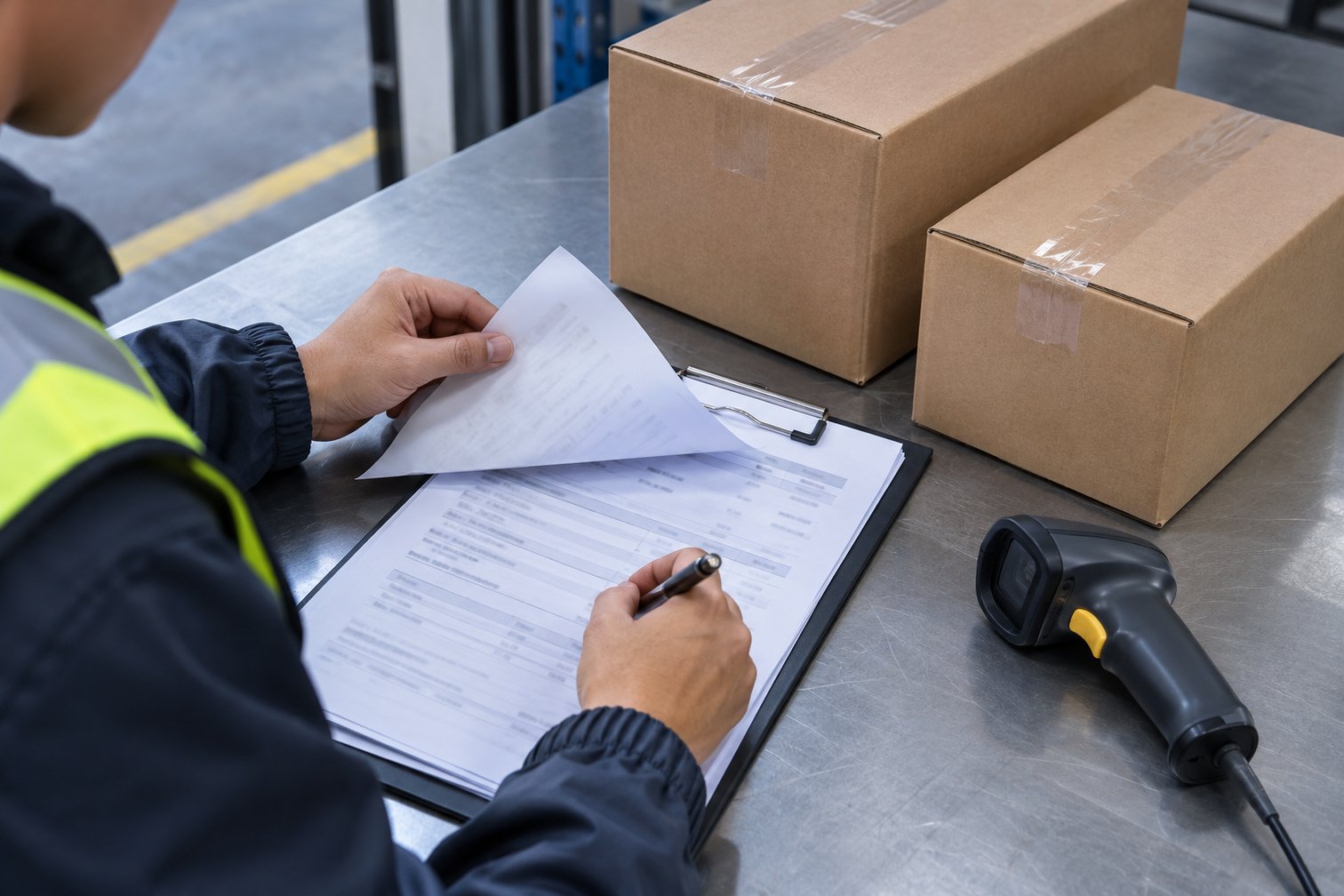
For FDA entry, confirm which facilities are subject to food facility registration and who will provide the applicable facility information. Assign the Prior Notice filing and agree on when the confirmation will be available. Match the manufacturer, product description, package count, and shipment details across the documents used for filing. Facility registration and Prior Notice address specific FDA requirements. FDA reviews admissibility at entry and may request records, examine the shipment, or sample it.
Have the broker and importer review FDA import alerts for the relevant firm and product before shipment. Decide who will respond to a document request or hold and how the receiving team will be notified. If goods arrive under an unresolved agency hold, keep them under the applicable controls until the responsible party confirms what can be done with them.
5. Which Supplier Documents Support Batch Approval?
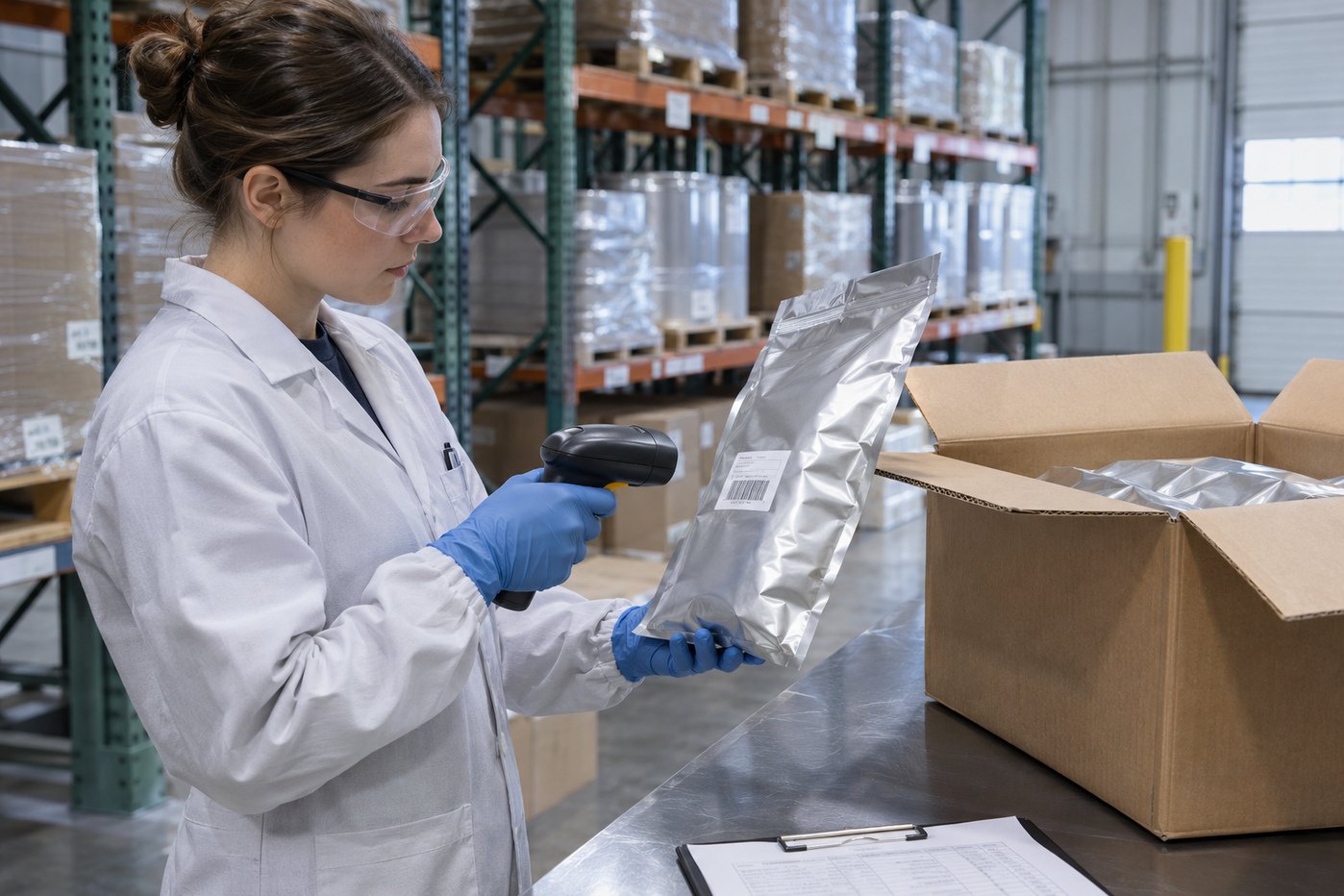
Request the current specification and the certificate of analysis (COA) for the proposed shipment lot. The specification sets the limits the material is expected to meet. The COA reports results for an identified lot. If the supplier sends an example COA during quotation, agree on when the final lot number and matching COA will be available. The receiving team should be able to trace each bag to the relevant lot record. See How Supplement Formulators Should Define a Lumbrokinase Ingredient Specification and Lumbrokinase COA Review for Small Supplement Brands.
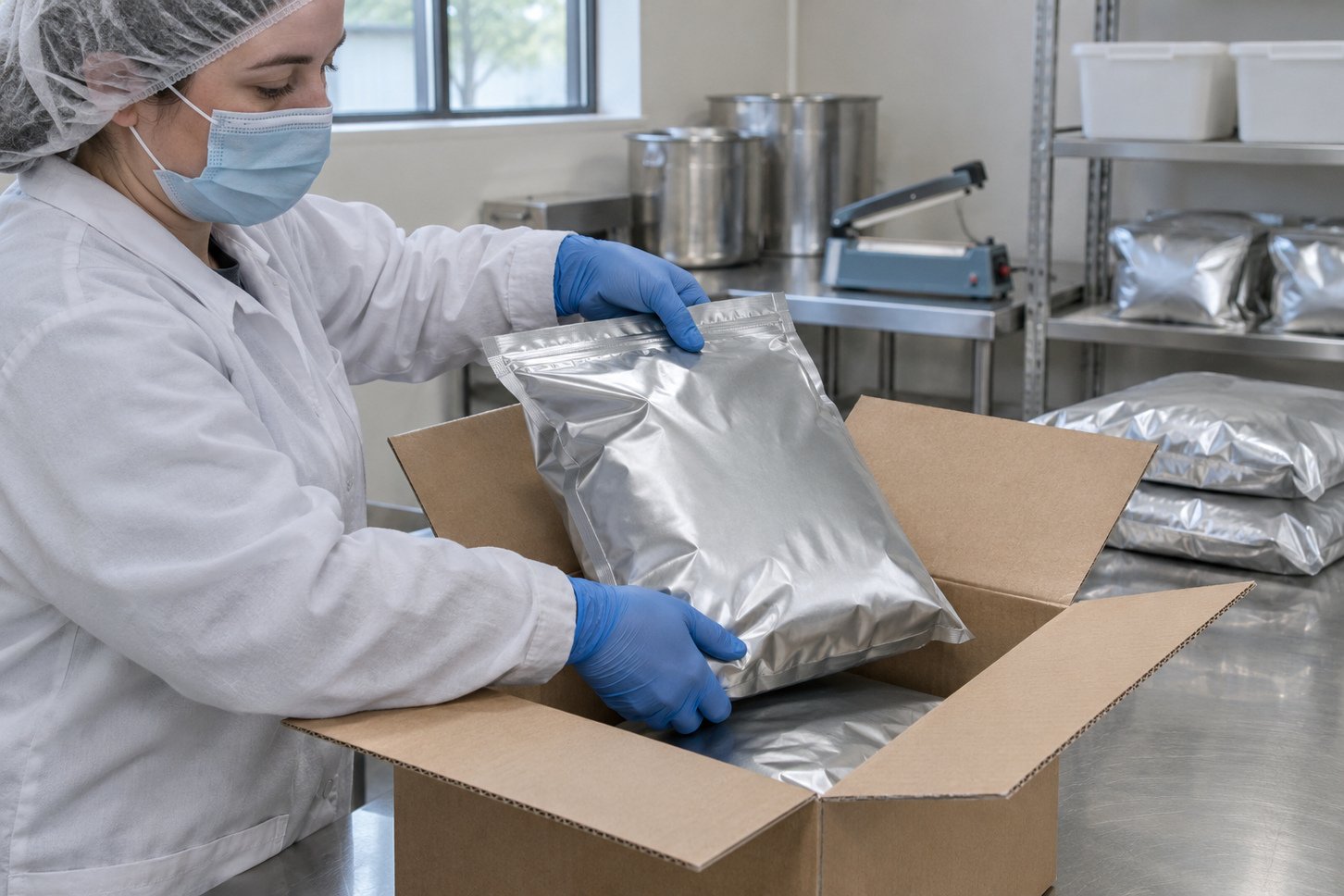
Allworms’ standard commercial specification is ≥10,000 IU/mg fibrinolytic activity, measured using the Fibrin Plate Assay. Check that the proposed lot’s COA states the actual result, reporting unit, and assay method. If your lab reports in U/g, FU/g, or LKU, establish whether there is a validated basis for comparison before using its result for acceptance. Where a third-party activity report is available, confirm the sample or lot it covers before including it in the batch review. Bulk Supply
The receiving manufacturer should also define the identity verification required before use. Under 21 CFR § 111.75(a)(1), a manufacturer subject to that provision generally must perform at least one appropriate test or examination to verify the identity of a dietary ingredient before use, unless FDA grants an exemption. For other applicable component specifications, reliance on a supplier COA is subject to conditions that include qualifying the supplier and periodically reconfirming the reliability of the COA. Plan any required testing before the lot arrives.
On receipt, reconcile the shipment quantity and lot numbers, assess package integrity, and hold the material in the appropriate quality status until authorized personnel release it. See Lumbrokinase Incoming Quality Control for the receiving workflow.
6. Has the Brand Reviewed the Intended US Supplement Use?
Ask your regulatory team to review whether the exact material qualifies as a dietary ingredient for the proposed product and whether a New Dietary Ingredient Notification (NDIN) is required. Give reviewers the material identity, source, processing information, composition, and proposed conditions of use. A product listing for another lumbrokinase supplement provides limited evidence about the identity, processing, or regulatory basis of the powder you intend to purchase.
If a notification is required, the applicable manufacturer or distributor must submit it to FDA at least 75 days before introducing the relevant product into interstate commerce or delivering it for introduction. The brand should track that decision and timing alongside its separate review of finished-product labeling and claims. The broker can explain the current status of a shipment. The regulatory team should document the basis for marketing the finished product.
What Should Be Confirmed Before You Approve the Bulk Order?
Put these decisions in the purchase approval record and assign a person to close each open item.
- Importer roles. Record the customs importer of record, the FSVP importer where required, and the broker or filer.
- Agency requirements. Confirm FDA filing responsibilities and how APHIS requirements apply to the preparation.
- Shipment documents. Agree on the manufacturer details, product description, invoice data, and timing for final documents.
- Lot acceptance. Confirm the specification version, matching COA, required identity verification, and release authority.
- Intended US use. Record who owns the ingredient-status, notification, labeling, and claims review.
For a first commercial order, give the broker and receiving manufacturer the same product description and grade that appear in the purchase record. If a different lot is allocated before dispatch, require a matching COA and repeat the affected checks. If the supplier proposes a different production site or materially different preparation, reassess the entry and regulatory records before authorizing shipment.
Review Current Lumbrokinase Specifications and Batch Documents.
Share your intended use, order quantity, and documentation requirements with Allworms when evaluating Lumbrokinase Powder for bulk supply.