
What Is the Difference Between Lumbrokinase Powder and Whole Earthworm Powder?
Lumbrokinase powder is an earthworm-derived enzyme preparation evaluated against a defined fibrinolytic activity specification. Whole earthworm powder is dried, milled whole earthworm material evaluated against its identity and composition specifications. Both can come from earthworms and arrive as powders, but they represent different materials and require different evidence for approval.
For supplement brands and contract manufacturers comparing lumbrokinase powder vs earthworm powder, the practical question is which material the supplier actually shipped. “Earthworm powder” may be used as a broad trade description. Ask whether the sample is whole dried material or a recovered enzyme preparation before using its test results to make a purchasing decision. For the broader ingredient definition, see What Is Lumbrokinase? Source, Activity and B2B Supply Guide.
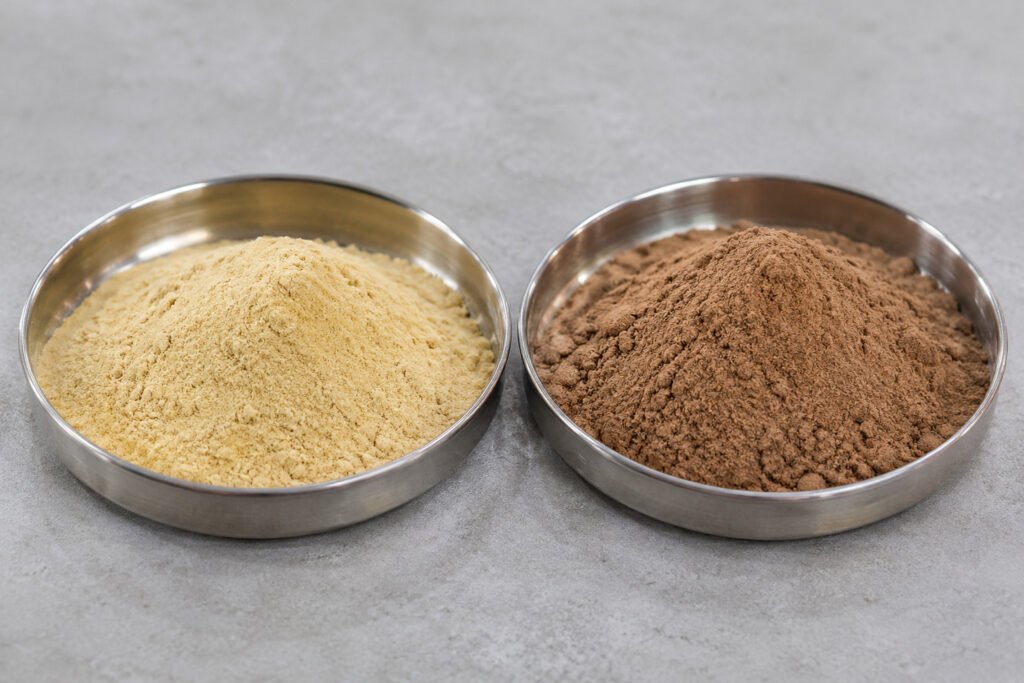
Lumbrokinase Powder vs Whole Earthworm Powder at a Glance
| Evaluation Point | Lumbrokinase Powder | Whole Earthworm Powder |
|---|---|---|
| Ingredient identity | Earthworm-derived fibrinolytic enzyme preparation | Dried, milled whole earthworm material |
| What becomes the finished powder | The recovered preparation from an extraction process | The dried whole material after milling |
| Key specification | Fibrinolytic activity with an acceptance limit, defined assay and reporting unit | Documented source and agreed composition and physical specifications |
| Typical result to review | Fibrinolytic activity on the stated sample basis | Protein, moisture or ash on the stated reporting basis, as specified |
| Supporting checks | Source traceability, physical properties, microbiological and contaminant limits | Source traceability, physical properties, microbiological and contaminant limits |
| First question for the supplier | What activity is guaranteed and how is it measured? | Was the whole material milled, and which composition limits apply? |
The shared checks in the table serve different purposes from identity and activity testing. A moisture result can help characterize either powder, while an activity result describes performance under the stated assay conditions. The buyer still needs documentation that connects those results to the supplied material.
How Processing Changes the Material Being Tested
Whole earthworm powder follows the whole material through drying and milling
For whole earthworm powder, the supplier should be able to describe how the complete earthworm material is prepared, dried and milled. Ask for a short process statement and the source species or other traceability information available for the lot. If a supplier lists extraction or separation steps, ask which part of the material was kept and dried. The commercial name alone can hide that distinction.
Drying removes water, milling changes particle size, and both can affect how the powder behaves during sampling and handling. A higher protein percentage on a dry basis can reflect the way the result is reported. Confirm the measurement basis before interpreting a difference in composition as evidence that a fraction was recovered.
Lumbrokinase powder follows the recovered preparation
Allworms’ lumbrokinase process begins with sorting and cleaning the earthworms, followed by freezing, thawing and further cleaning, then grinding. Enzymatic hydrolysis, referred to as fermentation in the process description, is followed by filtration. The recovered material is freeze-dried, milled, sieved and packaged. Filtration helps explain the identity distinction because the recovered material proceeds to drying. Grinding occurs in this process too, so the presence of a milling step cannot tell buyers which material they have.
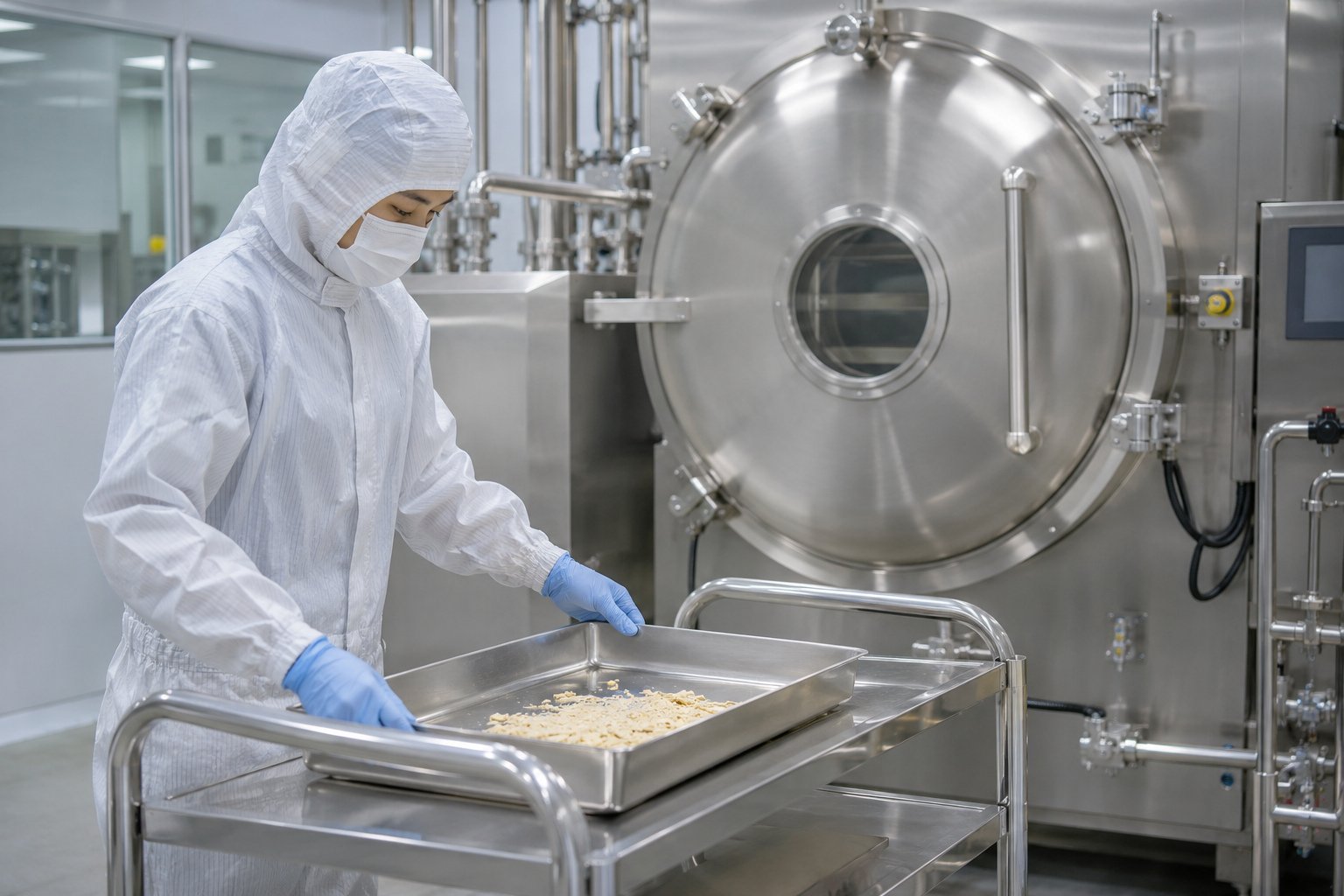
A published 2025 study by Zhang and colleagues used dried earthworm powder as the starting material for an experimental lumbrokinase extraction and then evaluated the recovered preparation. The study illustrates the difference between an extraction feedstock and the resulting enzyme preparation. Its experimental procedure and findings apply to the researchers’ samples. For the commercial source and traceability discussion, see Lumbrokinase Origin: From Earthworms to Functional Ingredients.
What to Test for Each Powder
For lumbrokinase, review activity alongside identity
Allworms’ current standard commercial lumbrokinase specification is ≥10,000 IU/mg fibrinolytic activity, measured by Fibrin Plate Assay. The specification sets an acceptance threshold. The batch certificate of analysis (COA) provides the result for the identified lot. Procurement should request the current specification, and QA should check that the batch COA uses the agreed method, unit and reporting basis.
A fibrin plate assay measures activity under its test conditions. Interpretation depends on the substrate, reference standard, unit definition, sample preparation, calculation and laboratory conditions. Before comparing two results, confirm what the reported mass refers to, such as powder as received, dried powder or measured protein. A unit conversion based only on grams and milligrams cannot resolve differences between activity systems. For the analytical context behind IU/mg, U/g, FU/g and LKU, see Lumbrokinase Activity Units: IU/mg, FU/g, LKU and U Explained.
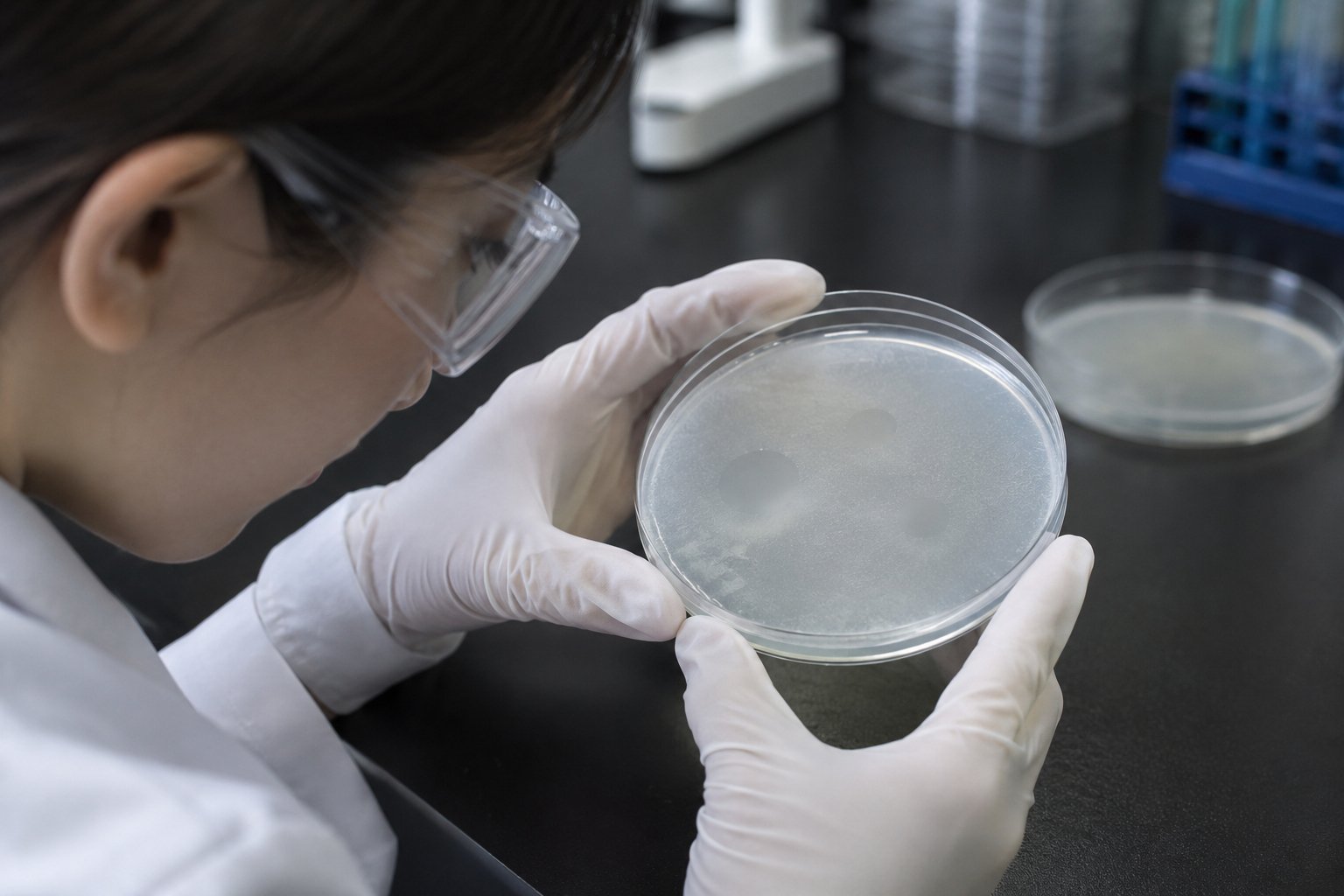
When commissioning independent testing, tell the laboratory that the sample is an extracted enzyme preparation and share the agreed specification and assay information. Ask how it will establish comparability with the supplier’s method before using the result for lot release. A third-party activity report can support the review when the tested sample and its relationship to the offered lot are documented.
For whole earthworm powder, review source and composition
Start with the source and the supplier’s description of what was dried and milled. Then review the agreed specifications for composition and physical characteristics. Protein, moisture and ash may help describe the material. Particle size, appearance or other physical checks can be included when they matter for incoming inspection or handling. Request the method and reporting basis for any value used to compare suppliers.
For example, a protein percentage reported on a dry basis and one reported as received can differ because of moisture. Even when both results use the same basis, total protein measures overall composition. It cannot establish fibrinolytic activity or identify an extracted enzyme preparation. Set contaminant and microbiological requirements for the material and intended use, and verify that the supplier’s methods and results address those requirements.
If an assay detects fibrinolytic activity in a whole-powder sample, confirm that the method is suitable for that sample matrix and that the reported result is supported. The measurement describes activity in the sample under the test conditions. The supplier’s source and process documentation still helps establish whether the sample is whole dried material or a recovered preparation.
How to Review a Quote Labeled “Earthworm Powder”
Suppose one supplier sends a COA with a protein percentage, while another sends a report with a fibrinolytic activity value. The test panels tell you how each sample was evaluated. To decide whether the quotes cover the same ingredient class, ask both suppliers for the exact material name and a process description that identifies what becomes the finished powder. Then use the following sequence.

- Confirm the required identity. Record whether the purchase calls for an extracted fibrinolytic enzyme preparation or dried, milled whole material. Use that description on the sample request and the purchasing specification.
- Match the documents to the sample. Check the material name, supplier item code and lot number across the label, COA and any supporting reports. Ask for written confirmation if a trade name differs from the name on the specification.
- Check the result against the right limit. For an enzyme ingredient, confirm activity, assay and reporting basis. For whole powder, check the agreed composition and physical criteria. Review the applicable contaminant and microbiological results for either material.
- Resolve gaps before approval. If an enzyme preparation comes with a protein-only COA, request the activity result and method for the relevant lot. If a whole-powder quote includes an activity report, confirm both the identity and the basis for that report before considering it in the evaluation.
Apply the same sequence when a supplier proposes a substitute. An item change from a recovered enzyme preparation to a whole powder changes the material identity. Have QA and formulation review the proposed material against the approved requirements before accepting the change. The guide to defining a lumbrokinase ingredient specification explains how to document the requirements on the enzyme side of that decision.
For repeat orders, keep the agreed identity and test panel in the item record so the next lot is reviewed against the same requirements. If a later COA changes the product description, omits the activity method or switches the composition reporting basis, ask the supplier to explain the change before comparing the lot with an approved sample.
FAQ
Does a high protein result show that whole earthworm powder is lumbrokinase?
No. Protein percentage describes the amount of protein reported by a composition test. To approve lumbrokinase powder, confirm the extracted material identity and check the batch’s fibrinolytic activity against the agreed specification.
Can whole earthworm powder have detectable fibrinolytic activity?
It may show activity under a suitable assay. Ask for the method, sample basis and lot identification, then interpret the result alongside the source and processing records. Detectable activity alone does not establish equivalence to a specified enzyme preparation.
Which documents should I request before approving lumbrokinase powder?
Request the current specification, a batch COA matching the sample or proposed lot, and the assay information needed to interpret the activity result. If an independent report is available, confirm which sample it covers and how its test basis relates to your acceptance criteria.
Request the Current Lumbrokinase Specification
If your project calls for an extracted enzyme preparation, request the current specification and batch documentation for Allworms Lumbrokinase Powder. Share your required activity unit and test method so your QA team can assess comparability before approving a sample.