The global ingredient market is getting crowded. Pea protein, soy protein, collagen, whey, insect protein, algae protein — everyone wants a seat at the table. So where does earthworm protein powder fit?
Honestly, it sounds unusual at first. For some buyers, even a little surprising. But in B2B ingredient sourcing, the “unusual” raw materials often become the interesting ones. Think of collagen years ago. Think of fermented postbiotics. Think of mushroom beta-glucans. At one point, each of them needed education before the market understood the value.
Earthworm protein powder is now moving into that same conversation.
It is not just a basic protein powder. It sits at the crossing point of functional nutrition, bioactive peptides, sustainable protein sourcing, and specialty ingredient development. For supplement brands, nutraceutical manufacturers, pharmaceutical ingredient buyers, cosmetics suppliers, and wholesalers, that makes it worth watching — not with hype, but with clear eyes.
The wider protein ingredient market is already growing. One recent market analysis valued the protein ingredients market at USD 52.8 billion in 2025, with growth expected through 2035, driven by health awareness and demand for high-quality functional proteins. (Global Market Insights Inc.) Alternative protein ingredients are also expanding, with Grand View Research estimating the market at USD 25.92 billion in 2025 and projecting strong growth through 2033. (Grand View Research)
That’s the bigger stage. Now, let’s talk about the small creature under the soil.
Why Earthworm Protein Powder Is Entering the Ingredient Conversation
For years, earthworms were mostly discussed in agriculture. Soil health. Composting. Organic farming. That earthy, practical stuff.
But earthworms have another identity: they are rich in protein and bioactive compounds. Research has described earthworms as an emerging edible animal protein source, with proteins making up a major part of dry weight and containing essential amino acids.
That matters because ingredient buyers are no longer looking only for “protein percentage.” They’re asking better questions:
Is the amino acid profile useful?
Can the ingredient support functional positioning?
Is it stable in finished products?
Can it be supplied consistently?
Does it have a story that consumers can understand?
Earthworm protein powder has a different story from plant protein. It also has a different story from whey or collagen. It is animal-derived, but not conventional livestock-derived. It is functional, but still needs proper market education. It is backed by growing research, but buyers must still handle claims carefully.
That’s a bit of a contradiction, right? It feels both old and new. Earthworms have been used in traditional systems for a long time, yet the modern ingredient market is only beginning to examine them through protein science, peptide research, and quality-controlled manufacturing.
Here’s the thing: that mix of tradition and modern research can be powerful when presented responsibly.
Not Just Protein — A Functional Ingredient Platform
A basic protein ingredient gives nutrition. A functional protein ingredient gives more room for product storytelling.
Earthworm protein powder may support both.
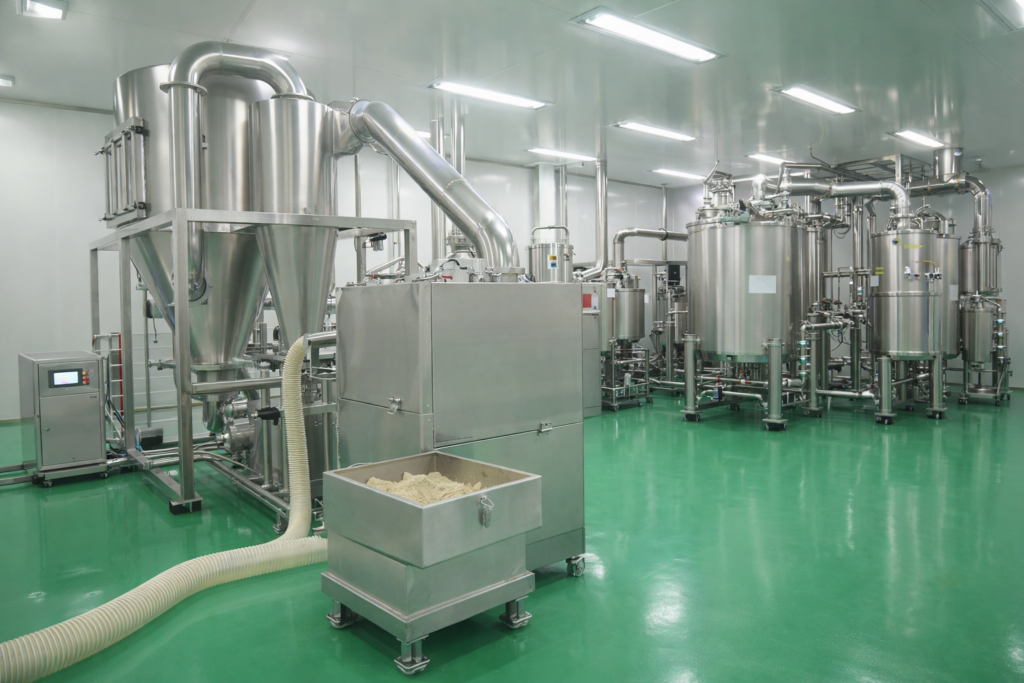
According to existing product positioning, earthworm protein powder is produced through controlled processing steps such as raw material selection, cleaning, hydrolysis, centrifugal filtration, low-temperature drying, milling, and packaging. It is positioned for dietary supplements, functional foods, animal nutrition, and health product applications.
For B2B buyers, that processing story matters. A raw material is only as good as its control points.
A good supplier should be able to explain:
- Source species and raw material control
- Processing temperature and drying method
- Protein content and amino acid profile
- Microbial limits and heavy metal testing
- Batch consistency
- Packaging, storage, and shelf life
- Export documentation and regulatory support
No buyer wants mystery powder. Especially not for supplements, nutraceuticals, cosmetics, or pharmaceutical ingredient use.
The future of earthworm protein powder will depend less on curiosity and more on quality systems. Curiosity opens the door. Quality keeps the customer.
The Science Is Getting More Interesting
The most exciting future for earthworm protein powder may not be as a simple “high-protein powder.” It may be as a source of bioactive peptides.
When proteins are digested or hydrolyzed, they can release smaller peptide fragments. These peptides may show different biological activities depending on their structure. That’s where the research gets lively.
A Food Chemistry study reported that gastrointestinal digestion products of earthworm protein showed antioxidant activity, and researchers identified 6,030 peptide sequences. Among screened peptides, AFWYGLPCKL, WPWQMSLY, and GCFRYACGAFY showed strong antioxidant activity.
Another Food Bioscience study identified seven novel ACE inhibitory peptides from earthworm protein digestion products, including SSPLWER and RFFGP, with the two most active peptides acting as competitive ACE inhibitors.
Now, let’s be careful. These findings do not mean every finished product can make disease treatment claims. Regulatory rules differ by country, and supplement claims must be handled with discipline.
But from an ingredient-development view, this kind of research is valuable. It gives formulators and R&D teams a clearer reason to study earthworm protein powder as more than a commodity protein.
It says: there may be active peptide potential here. There may be antioxidant positioning. There may be circulation-related research interest. There may be room for future functional food, supplement, and pharmaceutical ingredient development.
That’s not small.
The Sustainability Angle: Quiet but Important
Global buyers care about sustainability, but they also care about price, supply, taste, documentation, and whether the product clears customs without drama. Sustainability alone doesn’t close the order.
Still, it helps.
Alternative proteins are growing partly because brands want to reduce dependence on traditional animal agriculture. Recent market reports continue to highlight sustainability, health awareness, and protein diversification as major drivers of alternative protein demand. (Grand View Research)
Earthworm cultivation can connect with circular agriculture. Earthworms process organic matter, support soil systems, and can be farmed in controlled production systems. That gives the ingredient a useful environmental story, especially for brands looking to move beyond common plant proteins.
But again, don’t oversell it. Buyers will ask practical questions:
Can you supply 25 kg? 100 kg? 500 kg?
Can you keep the protein content stable?
Can you provide COA per batch?
Can you control odor?
Can you meet heavy metal limits?
Can the product fit local regulations?
Sustainability is part of the story. It’s not the whole story.
Where Earthworm Protein Powder May Find Its Best Market Fit
Earthworm protein powder won’t fit every product. And that’s fine. Not every ingredient needs to be everywhere.
Its future is likely strongest in specialty applications where differentiation matters.
Dietary Supplements
This is probably the most natural starting point.
Capsules, tablets, powder blends, and functional nutrition formulas can use earthworm protein powder as a differentiated protein-rich ingredient. For supplement brands, the selling point is not only “protein.” It is the combination of natural origin, amino acid value, and bioactive potential.
Suggested internal link: Earthworm Protein Powder Supplier
Nutraceutical Ingredients
Nutraceutical manufacturers may look at earthworm protein powder for formulations related to vitality, circulation support, healthy aging, and antioxidant nutrition — always depending on local claim rules.
In this space, documentation is king. Research summaries, COA, specification sheets, and production flow details can make the difference between “interesting” and “approved for testing.”
Functional Foods
Protein beverages, nutrition bars, meal powders, and health-focused food products are possible, but taste and odor control become important. Let’s be honest: earthworm-derived ingredients may have a special smell. That can be managed in capsules more easily than beverages.
So the functional food path may grow more slowly unless processing and formulation improve.
Pharmaceutical Ingredient Research
Earthworm-derived bioactive compounds, including lumbrokinase and other protein/peptide fractions, have already attracted research attention. A 2024 review summarized multiple bioactive agents in earthworm extract, including lumbrokinase, antimicrobial peptides, G-90, lysenin, and others, with studied effects such as antithrombotic, antioxidant, anti-inflammatory, antibacterial, and wound-healing activities.
For pharmaceutical ingredient buyers, the future depends on purification, mechanism research, safety data, and regulatory pathways. This is a longer road, but a potentially high-value one.
Suggested internal link: Lumbrokinase Bulk Supply
Cosmetics and Beauty Nutrition
This area is interesting. Not obvious, but interesting.
The beauty-from-within market likes antioxidant stories, peptide stories, and collagen-support stories. Earthworm protein powder or peptides may be explored in oral beauty supplements or functional cosmetic ingredient research, especially where antioxidant peptides and tissue-repair positioning are relevant.
However, cosmetic brands are sensitive to consumer perception. The word “earthworm” may need careful framing: scientific, clean, quality-controlled, and function-first.
The Big Barrier: Consumer Acceptance
Let’s not dance around it. Earthworm protein powder has a perception challenge.
Some customers will hear “earthworm” and pause.
That doesn’t mean the market is closed. It means education is required. Ingredient categories often move through this pattern:
First: “That sounds strange.”
Then: “Is it safe?”
Then: “What does the data say?”
Then: “Can we test a sample?”
Then: “Can you supply consistently?”
For B2B sellers, the job is to guide buyers through those steps without making exaggerated claims.
Good communication matters. Use terms like:
“earthworm-derived functional protein”
“controlled processed protein ingredient”
“bioactive peptide source”
“natural protein-rich raw material”
“batch-tested nutraceutical ingredient”
Avoid wild health promises. Avoid miracle language. The future market will reward suppliers who sound credible, not noisy.
Quality Control Will Decide Who Wins
In the global ingredient market, the biggest winners are not always the first suppliers. They are the suppliers who can repeat quality.
That’s especially true for earthworm protein powder.
A serious buyer will care about:
- Protein content
- Moisture and ash
- Microbial testing
- Heavy metals
- Pesticide or environmental contaminant risk
- Amino acid profile
- Solubility
- Particle size
- Odor and appearance
- Shelf life
- Packaging integrity
- Production traceability
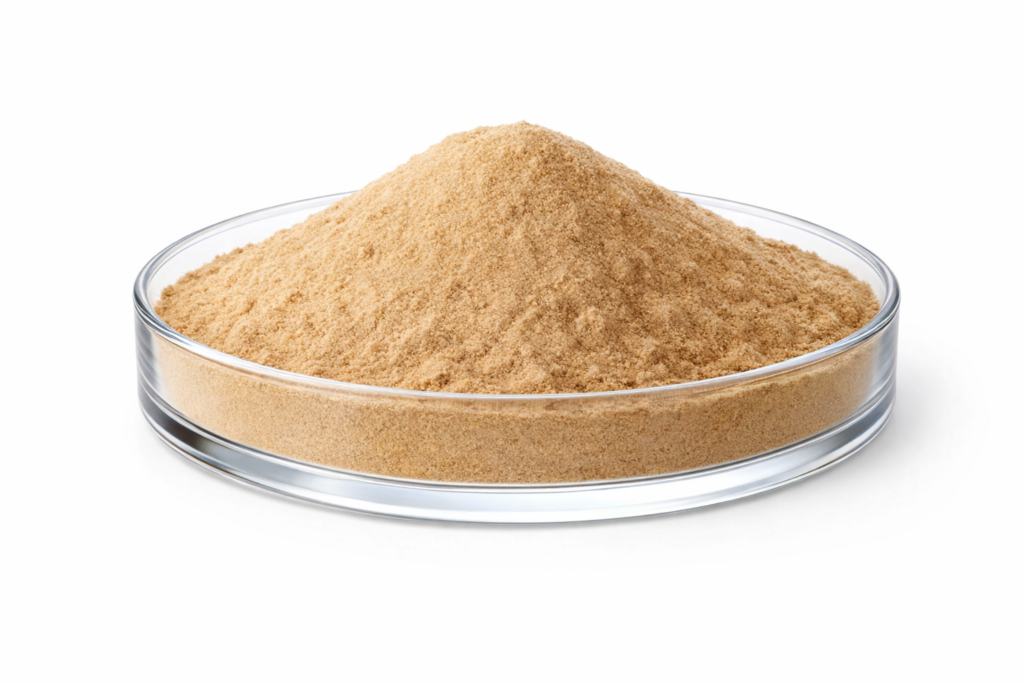
According to Allworms’ current product positioning, earthworm protein powder can be supplied with specifications such as protein ≥65%, controlled moisture, ash, heavy metal limits, microbial limits, cool dry storage, 2-year shelf life, and packaging options such as 1.5kg/bag and 9 kg/carton.
That kind of information should be easy to find on the product page. Don’t hide it. B2B buyers don’t want poetry first. They want confidence first. Then poetry.
The Global Market Outlook: Niche Today, Stronger Tomorrow
So, what is the future of earthworm protein powder?
It is unlikely to replace whey, soy, or pea protein in the mass market soon. That’s not its lane.
Its better path is as a specialty functional ingredient — a raw material for brands that want something differentiated, research-supported, and connected to alternative protein trends.
The global protein market is moving in three directions at once:
First, consumers want more protein.
Second, brands want more functional value.
Third, supply chains want more diversified sources.
Earthworm protein powder fits that third lane well, and potentially the second lane too.
But the category needs more work. More safety data. More clinical evidence. Better sensory control. Clearer regulations in export markets. Better buyer education. Cleaner product pages. Stronger FAQ content. More transparent COAs.
Not glamorous work, maybe. But it’s the work that builds a market.
What B2B Buyers Should Ask Before Sourcing
Before purchasing earthworm protein powder in bulk, buyers should ask suppliers a few direct questions.
Can you provide a recent COA?
What is the protein content range?
What species is used?
Is the raw material traceable?
What is the production process?
Do you test heavy metals and microbes per batch?
What is the MOQ?
Can you provide samples?
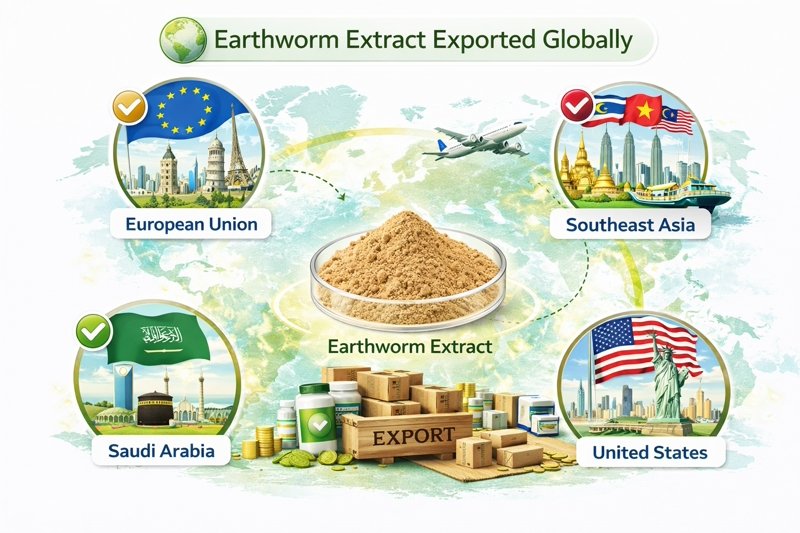
What markets have you exported to?
Can specifications be customized?
A good supplier won’t avoid these questions. They’ll welcome them.
For manufacturers, wholesalers, and ingredient dealers, the smartest first step is usually sample testing. Check odor, solubility, flowability, microbial data, and compatibility in your intended dosage form.
Because in the real world, formulation decides. Not theory. Not a beautiful brochure. The formula decides.
Final Thoughts: A Small Ingredient with a Surprisingly Big Story
Earthworm protein powder is not mainstream yet. And that may be its advantage.
In a market full of familiar proteins, buyers are looking for ingredients with a sharper edge — something functional, research-backed, and different enough to help a product stand out.
Earthworm protein powder has that potential. It brings together protein nutrition, bioactive peptide research, sustainability themes, and specialized B2B supply opportunities. But its future will not be built on novelty alone.
It will be built on science.
It will be built on quality control.
It will be built on honest claims.
And yes, it will be built one sample, one COA, and one serious buyer conversation at a time.
For supplement brands, nutraceutical ingredient buyers, pharmaceutical developers, cosmetics suppliers, manufacturers, wholesalers, and dealers, this is a category worth watching closely.
Not because it’s trendy.
Because it may be useful.
FAQs
1. What is earthworm protein powder used for in the ingredient market?
Earthworm protein powder is used as a protein-rich functional ingredient in dietary supplements, nutraceutical formulations, functional foods, and animal nutrition products. Some buyers also study it as a source of bioactive peptides for antioxidant and circulation-related product concepts.
2. Is earthworm protein powder suitable for dietary supplement manufacturing?
Yes, earthworm protein powder can be suitable for dietary supplement manufacturing when it meets local regulatory requirements, quality standards, and safety testing needs. Buyers should request COA, microbial testing, heavy metal data, and product specifications before bulk purchasing.
3. Why is earthworm protein powder considered a functional protein ingredient?
Earthworm protein powder is considered functional because it contains high protein value, essential amino acids, and potential bioactive components. Research has also identified antioxidant peptides and ACE inhibitory peptides from earthworm protein digestion products, which supports further nutraceutical research.
4. What should wholesalers check before buying earthworm protein powder in bulk?
Wholesalers should check protein content, source species, production process, microbial limits, heavy metal results, moisture, ash, shelf life, packaging, MOQ, lead time, export documents, and supplier production capacity. For global buyers, sample testing is strongly recommended.
5. What is the future market potential of earthworm protein powder?
The future market potential of earthworm protein powder is strongest in specialty nutrition, nutraceutical ingredients, functional foods, and research-driven health products. It may not replace mainstream proteins quickly, but it can become a differentiated ingredient for brands seeking natural, functional, and alternative protein sources.