
What Is Lumbrokinase? Source, Activity and Ingredient Evaluation
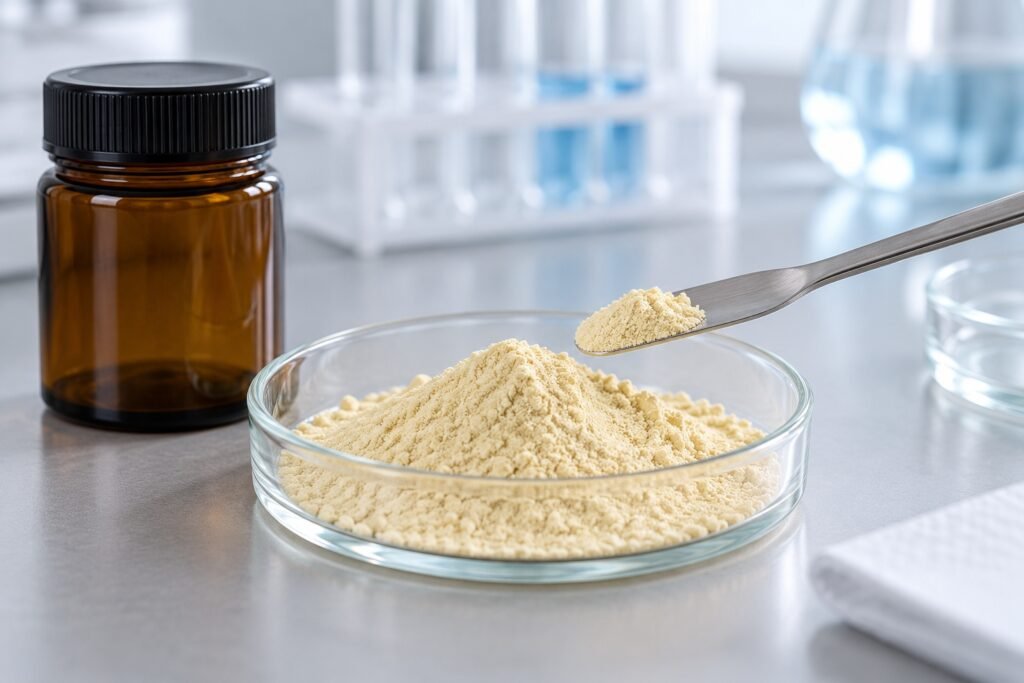
Lumbrokinase refers to a group of earthworm-derived enzymes associated with fibrinolytic activity—the ability to break down fibrin under defined test conditions. In B2B ingredient supply, lumbrokinase powder is evaluated through its identity, measured enzyme activity, assay method and batch documentation.
For supplement brands, contract manufacturers and technical teams, understanding this ingredient begins with three questions: where it comes from, what its activity measurement means, and whether the documented material merits further development work. These questions provide a foundation before detailed formulation or supplier approval begins.
Where Does Lumbrokinase Come From?
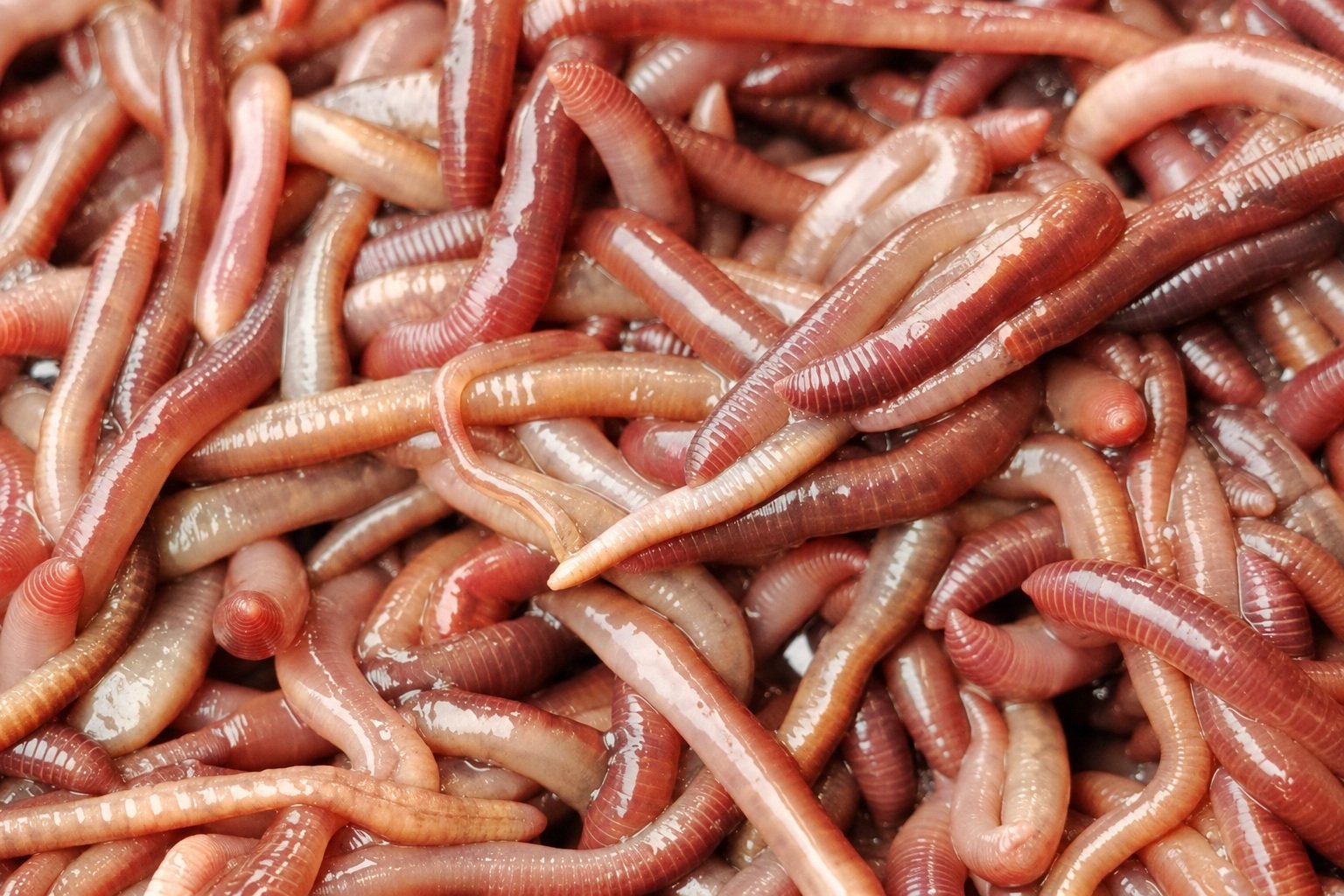
Lumbrokinase comes from earthworms. Published extraction research includes Eisenia fetida, also written as Eisenia foetida in some literature. The term describes an enzyme group rather than a single universally identical molecule or preparation.
This distinction matters because biological source, extraction and downstream processing can influence the composition of the resulting ingredient. Sharing an earthworm origin does not establish that two powders contain the same enzyme profile or meet the same activity specification.
For professional evaluation, the source description should connect to the material being offered. Buyers should establish the declared earthworm species, sourcing arrangements and batch traceability. A general reference to earthworms provides useful background, but the supplier’s documentation must identify the actual commercial ingredient.
Allworms’ raw-material supply includes cultivated earthworms from its breeding base in Conghua, Guangzhou, China. That source information forms part of ingredient identification; it should be reviewed alongside manufacturing and batch records.
Is Lumbrokinase the Same as Earthworm Protein or Peptide Powder?
Earthworm-derived ingredients can share a biological origin while serving different technical purposes.
| Ingredient | Main Evaluation Focus | Important Distinction |
|---|---|---|
| Lumbrokinase powder | Fibrinolytic activity, assay context and enzyme preservation | Protein content alone does not establish enzyme activity |
| Earthworm protein powder | Protein content, amino-acid information and physical properties | Any claimed enzyme activity requires separate supporting data |
| Earthworm peptide powder | Hydrolysis-related characteristics, peptide information and formulation behavior | Peptide content does not demonstrate retained fibrinolytic activity |
These categories can overlap in composition. For example, an earthworm protein preparation may retain measurable enzyme activity, depending on processing. However, that activity must be demonstrated rather than inferred from the product name.
Similarly, standard peptide powder should not automatically be described as an active enzyme ingredient. Hydrolysis and drying conditions influence the resulting material. Buyers should define whether their project requires a protein-rich ingredient, a peptide preparation or a material evaluated specifically for fibrinolytic activity.
What Type of Enzyme Is Lumbrokinase?
Lumbrokinase is generally described as a group of proteolytic enzymes associated with fibrinolysis. Proteolytic enzymes break down proteins; fibrinolytic activity concerns the breakdown of fibrin.
Fibrin is a protein network formed during blood clotting. In a laboratory assay, a fibrin-based substrate allows researchers to observe and measure enzyme-related breakdown under controlled conditions.
Published investigations have examined the extraction, protein composition and enzymatic properties of earthworm-derived preparations. Such research helps explain why source material, pH, temperature and processing conditions matter when studying these enzymes.
However, activity in a laboratory test does not establish absorption, clinical effectiveness or the performance of a finished supplement in humans. Research findings must be interpreted according to the preparation studied, experimental model and measured outcome.
For Allworms’ commercial ingredient, the relevant starting evidence is the product specification, assay information and batch data. Findings from a separate research preparation cannot be presented as proof of identical properties in the supplied powder.
How Is Lumbrokinase Powder Produced?
Production aims to recover an earthworm-derived enzyme preparation while controlling the conditions that can affect its activity.
The Allworms production sequence includes raw-material sorting and cleaning, freezing, thawing and further cleaning, grinding, fermentation or enzymatic processing, filtration, freeze-drying, milling, sieving and packaging.
Each stage has a different purpose. Cleaning prepares the raw material; grinding and extraction-related processing help recover soluble components; filtration separates material; drying produces a powder suitable for handling and supply.
Freeze-drying is part of the described production process, but its use alone does not prove a specific activity level or shelf life. The resulting batch still requires evaluation against the stated specification.
Manufacturing information also helps buyers plan development. Temperature, moisture exposure, processing time and storage conditions can affect enzyme preparations. A process summary therefore provides context for testing and handling, while batch results establish whether the supplied material meets its documented requirements.
How Is Lumbrokinase Activity Evaluated?
Lumbrokinase activity describes a measured enzymatic response under a defined analytical system. It is central to evaluation because the mass of powder or its total protein percentage does not establish fibrinolytic activity.
The current Allworms commercial specification is:
| Parameter | Current Specification |
|---|---|
| Fibrinolytic Activity | ≥500,000 U/g |
| Assay Method | Fibrin Plate Assay |

In a fibrin plate assay, the sample acts on a fibrin-containing plate under specified conditions. The resulting fibrin breakdown is evaluated using the method’s reference and calculation system.
The specification and method must be read together. Substrate preparation, reference standard, sample dilution, incubation conditions and calculation approach can influence the reported result. Buyers should also clarify the reporting basis, including whether a value refers to product mass, protein mass or a dry-basis calculation.
U/g, IU/mg, FU/g and LKU should not be directly converted or treated as interchangeable activity expressions. A larger number under a different system does not establish greater activity.
The dedicated Lumbrokinase Activity Units guide explains these distinctions in greater detail. When independent testing is planned, resolve the intended analytical approach before interpreting differences between laboratory results.
Lumbrokinase in Dietary Supplement Ingredient Evaluation
Lumbrokinase attracts interest from supplement and nutraceutical developers because of its earthworm-derived enzyme identity and fibrinolytic activity. At the development stage, the practical question is whether the documented ingredient suits the proposed product concept and evaluation plan.
A raw-material activity result provides a starting point. Further work should assess how the ingredient behaves in the intended formulation, manufacturing process and package.
Relevant considerations may include powder handling, blend behavior, excipient compatibility and the ability to measure required characteristics after processing. Conditions involving heat, moisture or prolonged holding deserve evaluation within the actual development system.
Neither a supplier COA nor a published enzyme study establishes finished-product stability. The product developer needs evidence relevant to its own formula and proposed shelf life.
For the next stage, Lumbrokinase formulation considerations provides a more focused development framework.
Ingredient selection also requires review of the intended market and product category. Allworms supplies an earthworm-derived enzyme preparation for B2B evaluation; this positioning does not establish pharmaceutical API status or authorize disease-treatment claims.
How Should B2B Buyers Begin Evaluating Quality?
A useful initial review connects ingredient identity, analytical information and batch evidence. Activity is important, but it cannot answer every quality question.

| Evaluation Area | What to Establish |
|---|---|
| Identity and source | Product description, earthworm source and relevant composition information |
| Activity specification | Minimum requirement, reporting unit and stated calculation basis |
| Assay method | Method identity and enough context to interpret the result |
| Specification sheet | Requirements defining the commercial material |
| Batch COA | Results or conformity information tied to the identified batch |
| Safety and quality parameters | Relevant moisture, ash, heavy-metal and microbiological requirements |
| Batch consistency | How future batches will be evaluated against agreed requirements |
| Traceability and handling | Batch records, packaging, storage instructions and supporting documentation |
A specification sheet and a COA perform different roles. The specification defines requirements; the COA reports information for a particular batch. Their product identity, activity expression and method description should align.
Safety limits should be assessed against the buyer’s intended application and applicable requirements. An acceptable activity result does not replace contaminant or microbiological review.
Consistency means continued conformity to agreed criteria, rather than identical numerical results across every batch. For a fuller assessment, use How to Evaluate the Quality of Lumbrokinase.
How Does Lumbrokinase Differ From Nattokinase?
Lumbrokinase and nattokinase are both discussed in relation to fibrinolytic enzyme activity, but their origins differ. Lumbrokinase is extracted from earthworm material, while nattokinase is associated with bacterial fermentation and natto production.
That difference affects source documentation, manufacturing background and ingredient positioning. It also means buyers should establish the analytical context before comparing activity specifications.
The shared term “fibrinolytic” does not demonstrate equivalent composition, interchangeable activity units or equal finished-product performance. Choosing between them requires a defined product purpose and evidence relevant to each material.
The separate Lumbrokinase vs Nattokinase comparison addresses that decision without expanding this ingredient overview into a comparison guide.
From Ingredient Discovery to Supplier Evaluation
A practical development sequence is:
Ingredient Understanding → Specification Review → Sample Evaluation → Formulation Assessment → Supplier Qualification → Purchasing Decision
Begin by deciding whether an earthworm-derived enzyme ingredient fits the project. Next, review the activity specification, assay context and available documents. A representative sample then connects the written information with physical material and planned testing.
Formulation assessment explores suitability for the proposed product. Supplier qualification addresses the manufacturing, documentation and supply expectations needed for continued purchasing.
These stages may overlap, but their decisions remain distinct. A promising sample does not establish long-term supply consistency, and a complete document package does not establish formulation compatibility.
The Allworms Lumbrokinase product page is the commercial destination for product information and an initial discussion of specifications, batch documentation and sample evaluation.
Frequently Asked Questions
Is lumbrokinase a single enzyme?
Lumbrokinase generally refers to a group of earthworm-derived enzymes associated with fibrinolytic activity. Composition can vary with source and preparation, so the commercial material should be identified through its own documentation.
Does high protein content mean high lumbrokinase activity?
No. Protein content measures a different characteristic. Fibrinolytic activity requires an appropriate enzyme assay and should be reviewed with its method, unit and reporting basis.
Is lumbrokinase activity a measure of purity?
Activity alone does not establish purity. It measures performance within an analytical system. A purity claim requires a defined meaning and suitable supporting analytical evidence.
Can a published study establish commercial powder stability?
A study describes the preparation and conditions investigated. Its results cannot automatically establish stability for another ingredient, manufacturing process, formulation or package.
Begin With Identity, Activity and Evidence
Understanding lumbrokinase starts with its earthworm source and fibrinolytic enzyme identity. Professional evaluation then connects the stated activity with its assay method, batch documents and intended application.
This foundation helps technical teams decide what to investigate next without confusing laboratory activity, ingredient quality and finished-product performance.
Start Your Lumbrokinase Evaluation With Clear Specifications?
Contact Allworms for specification, batch COA and sample information.
2 comments on “What Is Lumbrokinase? Source, Activity and B2B Supply Guide”
Comments are closed.