
Evaluate Earthworm Peptide Powder taste and odor in two stages. First, compare the dry powder with an accepted reference under consistent conditions. Then evaluate the proposed formula at its intended inclusion level and under realistic preparation conditions. Taste testing should take place only under an approved quality and safety procedure. The two stages help formulation teams decide whether to proceed with development, adjust the prototype, or refer an unexpected batch difference to quality assurance (QA).
A dry powder can have a noticeable odor while making an acceptable contribution to a particular formula. A finished blend can also develop an objectionable aroma or lingering aftertaste even when the dry ingredients seem acceptable on their own. Record dry-powder odor, prepared-product aroma, taste, and aftertaste separately so each observation leads to a specific decision.
Start With the Supplier’s Odor Description
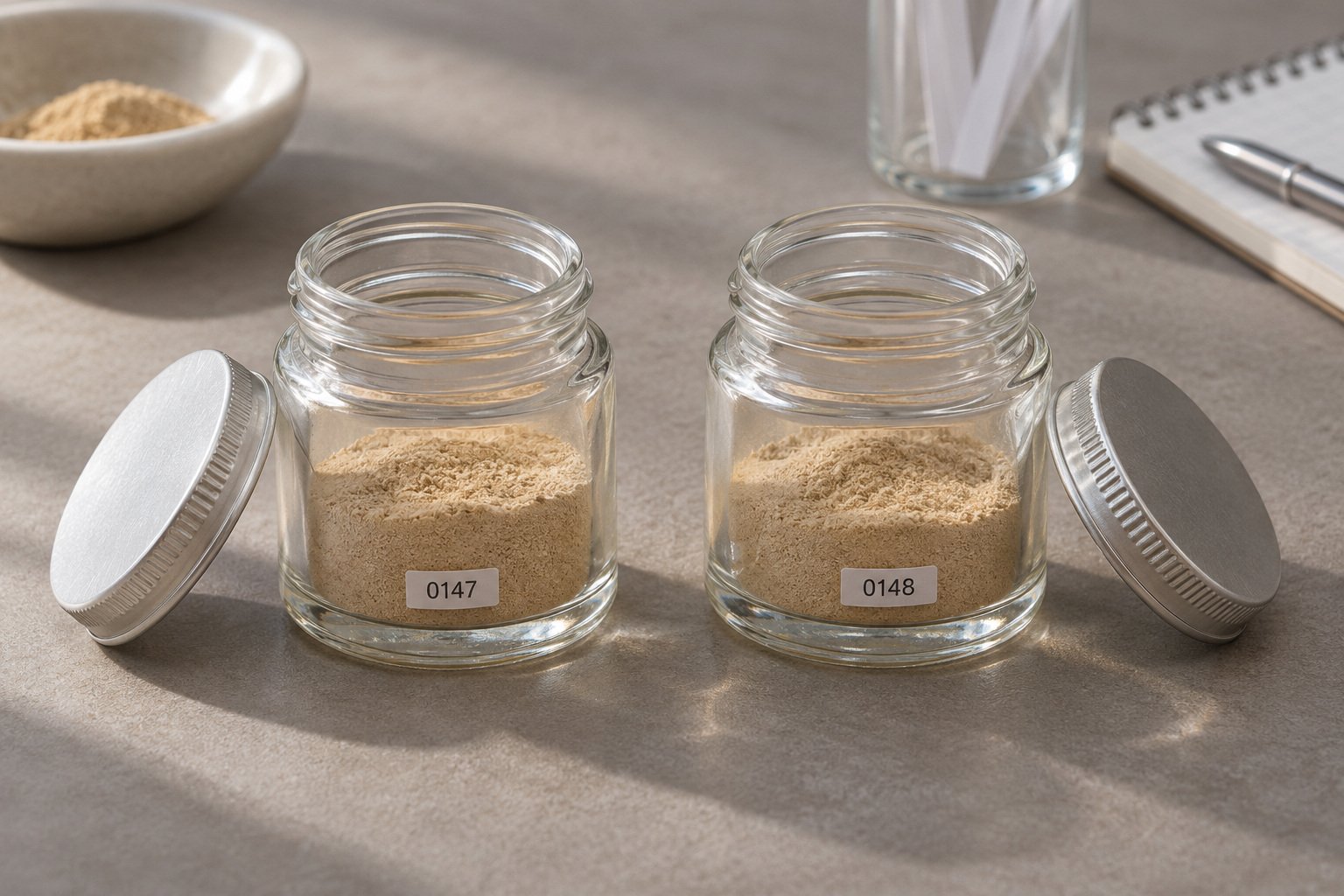
The Allworms Earthworm Peptide Powder specification describes its odor as “special fishy smell.” This is a qualitative descriptor for the powder as supplied. The published description gives buyers a starting point for recognizing the type of odor they may encounter. It provides no specified intensity scale, acceptable range, or finished-product flavor profile. Earthworm Peptide Powder is produced through enzymatic hydrolysis and is supplied as a peptide ingredient.
Ask for a sample representative of the commercial specification being considered. Record its lot number, package condition, and sample handling history. If the team retains a portion for comparison, label it and store it under the applicable conditions. Before each comparison, confirm that the reference remains suitable. A repeatedly opened reference with an uncertain storage history can make it difficult to tell which sample has changed. The Earthworm Peptide Powder sample evaluation guide covers the broader checks that support sample selection.
Evaluate Dry Powder Odor Under Consistent Conditions
Compare the new sample and an accepted reference in clean, identical containers. Use comparable sample quantities, temperatures, and intervals between opening and assessment. Use a setting free of distracting odors and follow the site’s powder-handling procedure. If packaging odor is a concern, assess the package separately and record where the odor was noticed. An odor detected on opening the shipping package and one observed in a transferred sample are different observations that require different follow-up.
Use neutral sample codes when practical, especially if evaluators know that one lot has been flagged. Ask each evaluator to record observations independently before discussing them. Record odor character and intensity separately. For example, a familiar odor that seems stronger than the reference raises a question about intensity. A reproducibly different odor raises a question about character. If the decision depends on a difference, repeat the comparison with fresh portions and vary the presentation order to reduce order effects.
Set Sensory Criteria Before Reviewing Results
Choose criteria that lead to a decision. For incoming powder, the question might be whether the odor resembles the accepted reference within an agreed range. For a prepared prototype, the question might be whether the ingredient adds a detectable note that conflicts with the intended flavor profile or persists after tasting. A small internal scale such as absent, faint, moderate, and strong can help teams record observations consistently when evaluators use the same references and definitions.
| Sensory question | How to evaluate it | How to use the result |
|---|---|---|
| Does the dry powder match the expected odor character? | Compare coded portions with an accepted reference under matching conditions. | Proceed to a formula screen when the result meets the agreed criteria. Repeat or escalate a material difference. |
| Is the intensity acceptable for the intended format? | Rate intensity separately in the dry powder and at the relevant stage of product preparation. | Apply the criterion for each stage. A handling concern and a finished-product concern may require different actions. |
| Does the ingredient affect taste or aftertaste? | Under an approved tasting procedure, compare the prototype with an otherwise matched base. | Record the direction and persistence of the difference before deciding whether to reformulate. |
| Is the difference reproducible? | Repeat the assessment with fresh portions and compare individual observations. | Review inconsistent findings before assigning a batch issue or changing the formula. |
Agree in advance which findings warrant a repeat screen, a formulation adjustment, or a QA hold. If a sensory criterion will be used for incoming lot acceptance, document the method, reference, and decision rule with the relevant quality and supplier teams.
Conduct Taste Testing Only Under an Approved Procedure
Use the company’s approved sensory procedure to determine whether a specific sample and preparation are eligible for human tasting. The procedure should address QA authorization, sample identity and status, ingredient and participant restrictions, hygienic preparation, and handling. Keep unidentified, damaged, suspect, or unreleased material out of tasting. If a lot has an unexplained odor deviation, refer it to QA before considering any further sensory work involving ingestion.
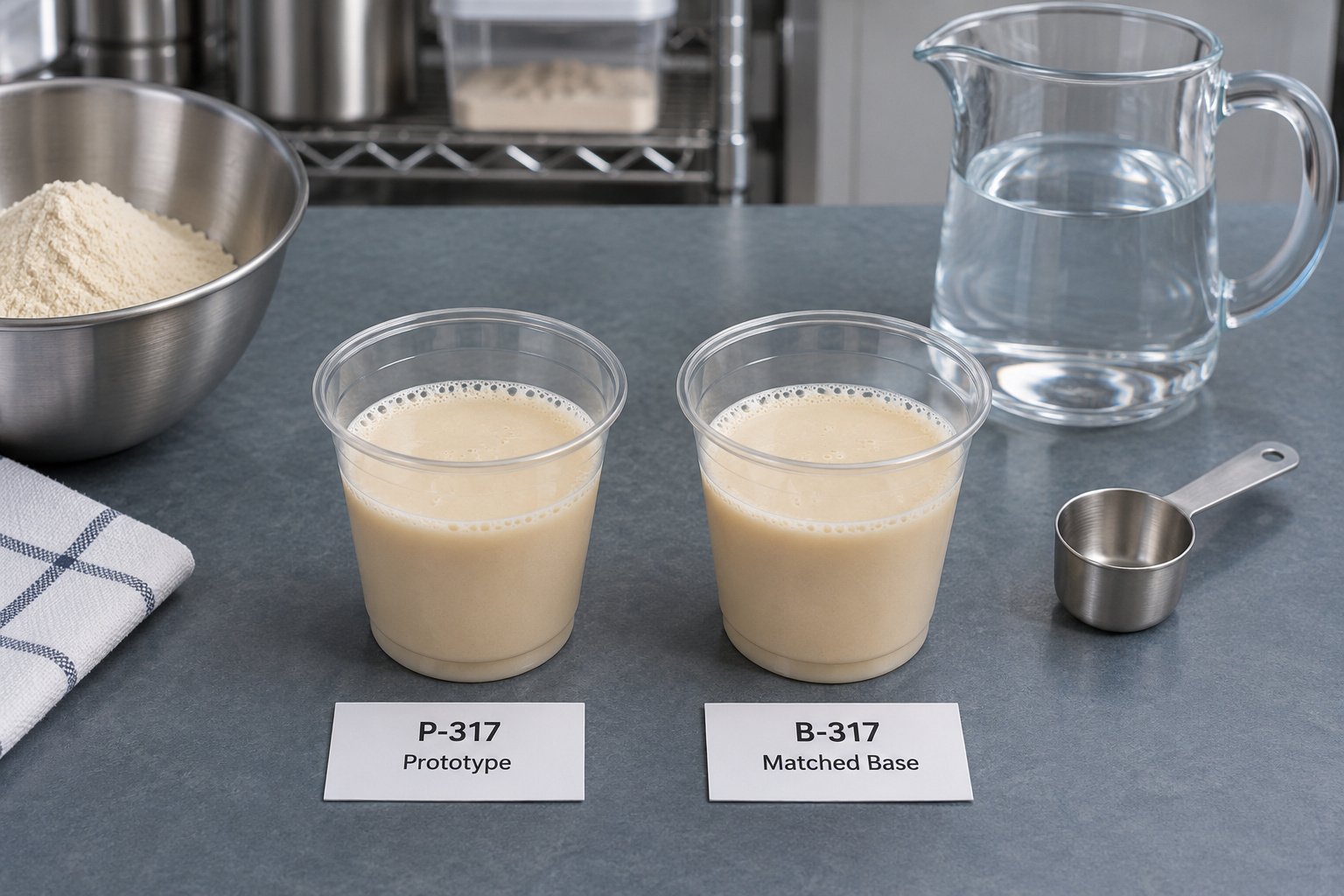
For an authorized comparison, prepare the prototype at the intended inclusion level. Use the same preparation medium, serving temperature, and time between mixing and assessment across samples. A matched base prepared without the peptide powder helps show what the ingredient contributes to that formula. Where practical, also compare against an accepted prototype made with a previously evaluated lot. The matched base answers an ingredient contribution question. The accepted prototype helps answer whether a new lot changes a formulation the team already knows.
Evaluate the Format the Buyer Will Actually Use
Capsules
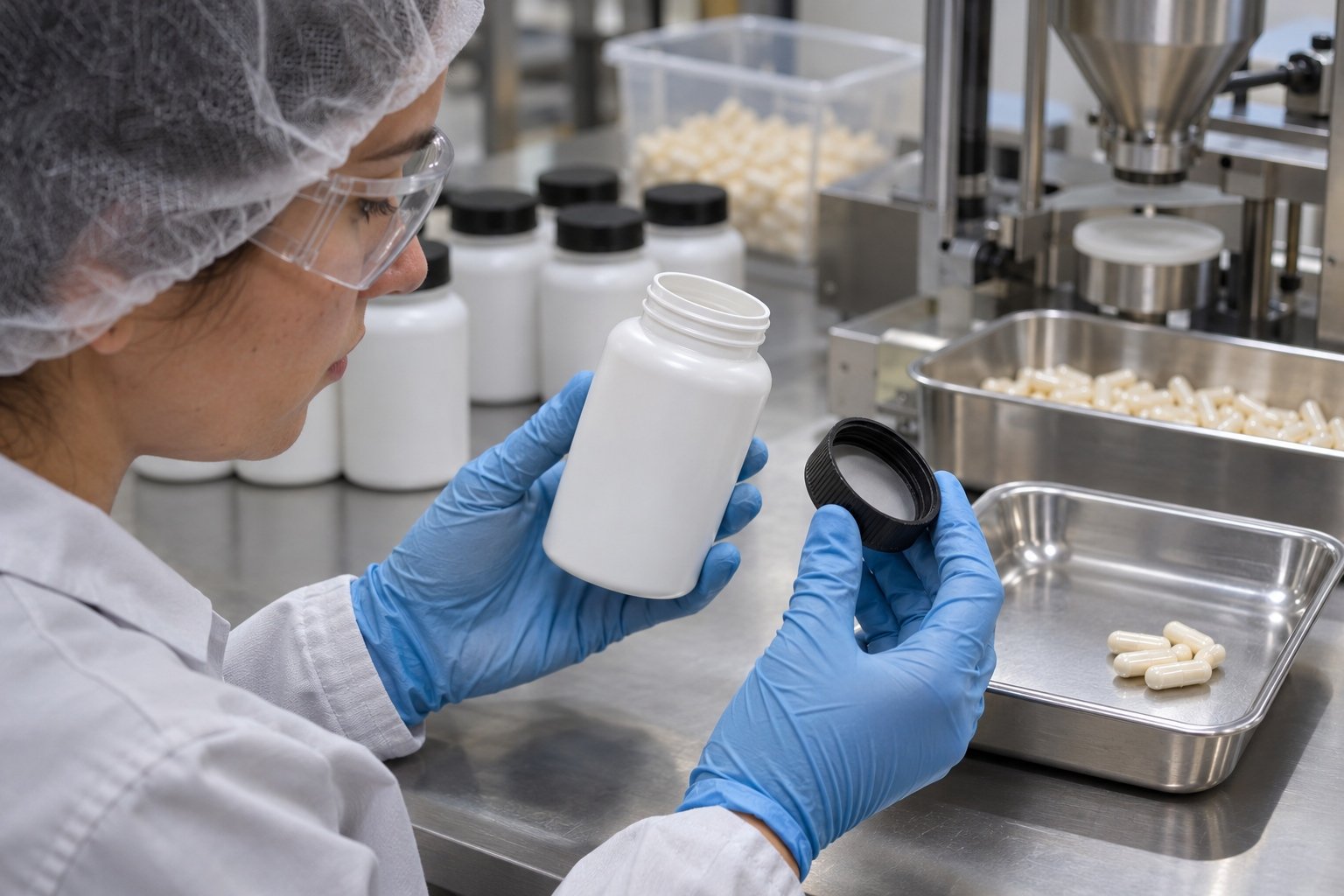
For a capsule project, assess the fill blend during handling and the odor of the packaged prototype when its container is opened. Record which stage produces the finding. If the fill blend has a detectable odor but the packaged capsules meet the agreed sensory criteria, the team can review any remaining handling concern separately. If the odor is evident when opening the intended pack, compare the filled prototype with a suitable capsule and packaging control to help locate the source. The guide to Earthworm Peptide Powder for capsule and powder formulations covers the broader dosage-form development work.
Dry Blends and Powders Prepared in Liquid
For a powder mixed into liquid, evaluate aroma after preparation and, where tasting is authorized, assess taste and aftertaste at a defined interval. Use the intended liquid and preparation directions. If the prepared product is expected to stand before use, include that interval in the comparison. Record clumping or settling as a separate physical observation when it could alter what reaches the evaluator in each portion. The Earthworm Peptide Powder solubility and dispersibility guide covers test design for those physical effects.
Compare the complete formula with its matched base before attributing a note to the peptide powder. Sweeteners, flavors, minerals, botanicals, and other ingredients can contribute their own sensory characteristics or change how a note is perceived. If the lot meets its incoming criteria and the prototype needs adjustment, change one formulation variable at a time where practical. Reassess aroma, taste, and aftertaste after each change. A flavor adjustment that improves the first impression may leave a lingering note unchanged.
Investigate Unexpected Odor Differences Between Batches
When a new lot smells materially different from the accepted reference, record the difference and follow the applicable QA procedure before advancing the lot. Describe where and when the odor was detected, what changed in character or intensity, and whether the observation repeated. Record the lot numbers, opening dates, seal condition, and relevant transport or storage information. Check whether both samples were handled and presented comparably.
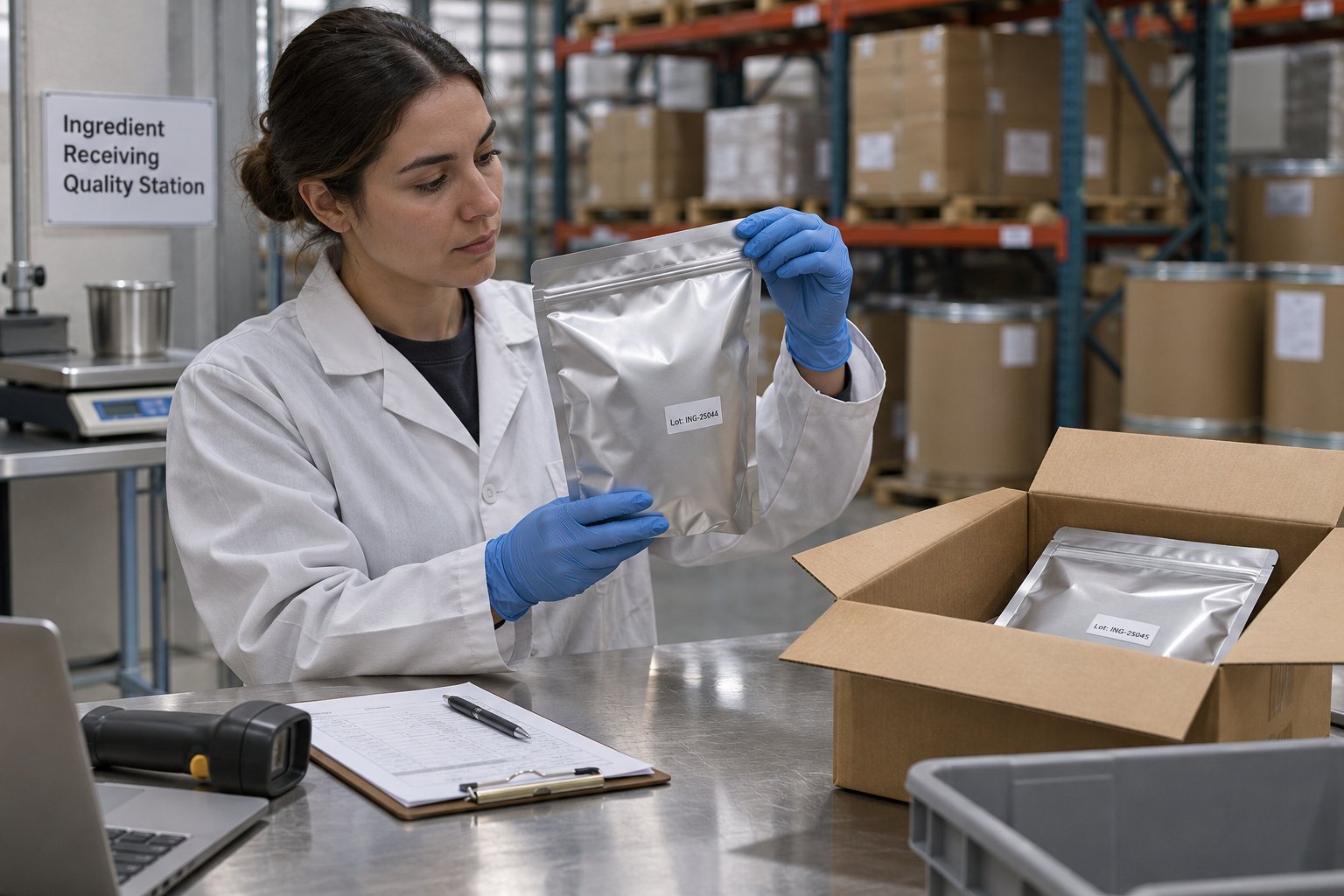
If QA authorizes a repeat comparison, use a fresh portion from the same lot or a suitable unopened unit if available. Check the condition of the reference as well. If the difference persists, share the observations with the supplier and ask for a review against the agreed specification, the batch documentation, and any available retained sample. QA can then determine whether additional sampling or analytical testing is warranted.
Odor alone cannot establish contamination, oxidation, deterioration, or a manufacturing defect. It can indicate that further review is needed. Avoid changing the flavor system while a lot-level discrepancy is unresolved. Doing so makes it harder to determine whether the eventual result reflects the ingredient, the formula change, or both.
Document Sensory Acceptance and the Approval Decision
Sensory screening answers whether a sample matches an expected sensory profile and whether it works in the tested prototype. Analytical testing addresses defined quality attributes such as composition, moisture, and applicable contaminant or microbiological criteria. A favorable sensory result cannot establish that a lot meets those requirements. Likewise, a batch certificate of analysis (COA) can document the results it reports while leaving finished-product flavor compatibility to the formulation team. See the Earthworm Peptide Powder safety and testing guide for the broader quality review.
Keep one trial record that identifies the ingredient lot, reference lot, prototype version, inclusion level, preparation conditions, and assessment date. Record the criteria, individual observations, any deviations, and the person responsible for follow-up. State the decision in terms the next team can use, such as proceed to a pilot in the tested formula, repeat with a better-controlled reference, adjust the formula and retest, or hold the lot for QA review.
Define what must be checked when a commercial lot replaces the development sample. An acceptable result applies to the lot, formula, and conditions evaluated. Documenting those conditions gives procurement and QA a basis for comparing future lots and gives R&D a starting point if the finished-product sensory profile changes.
FAQ
1. Can a freshly opened sample replace an older sensory reference?
Yes, once QA confirms that the new sample represents an accepted lot and documents the change. If the previous reference is still suitable for use, compare the two under the same conditions before switching. Record the new reference lot and the date it was adopted.
2. What if evaluators agree on the odor but disagree on its intensity?
Check whether they used the same reference and interpreted the rating scale in the same way. Repeat the comparison with fresh, coded portions under matching conditions. If the ratings still fall on both sides of the acceptance limit, record the disagreement and refer the decision to QA.
3. Should a new flavor or preparation medium trigger another sensory review?
Yes, if the change could affect aroma, taste, or aftertaste. Evaluate the revised prototype under its intended preparation conditions, using an eligible sample and the company’s approved sensory procedure. Keep the ingredient lot and inclusion level consistent where practical so the team can assess the effect of the formula change.
Review the Earthworm Peptide Powder Specification. Discuss your formulation requirements with Allworms and request technical documentation or a representative sample.